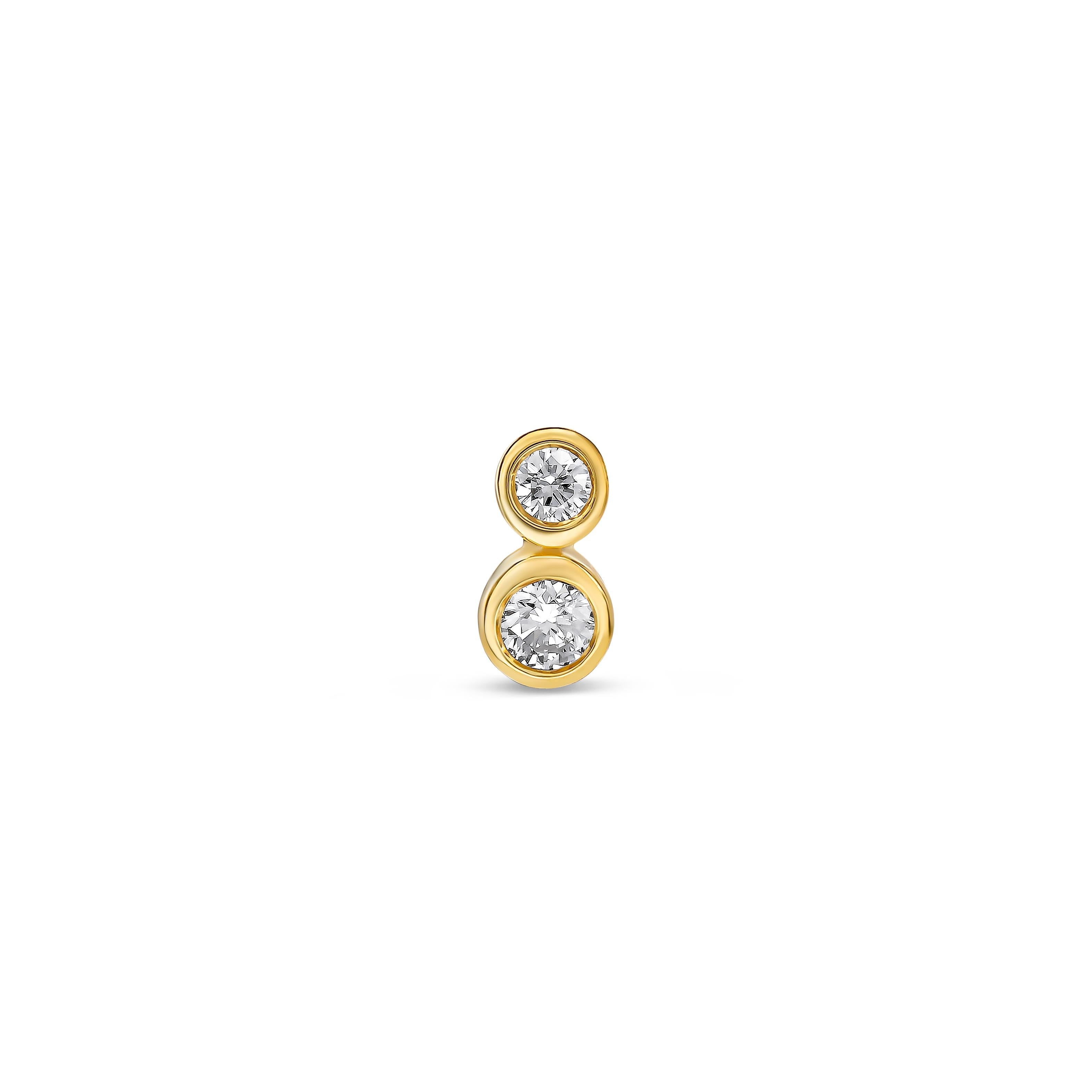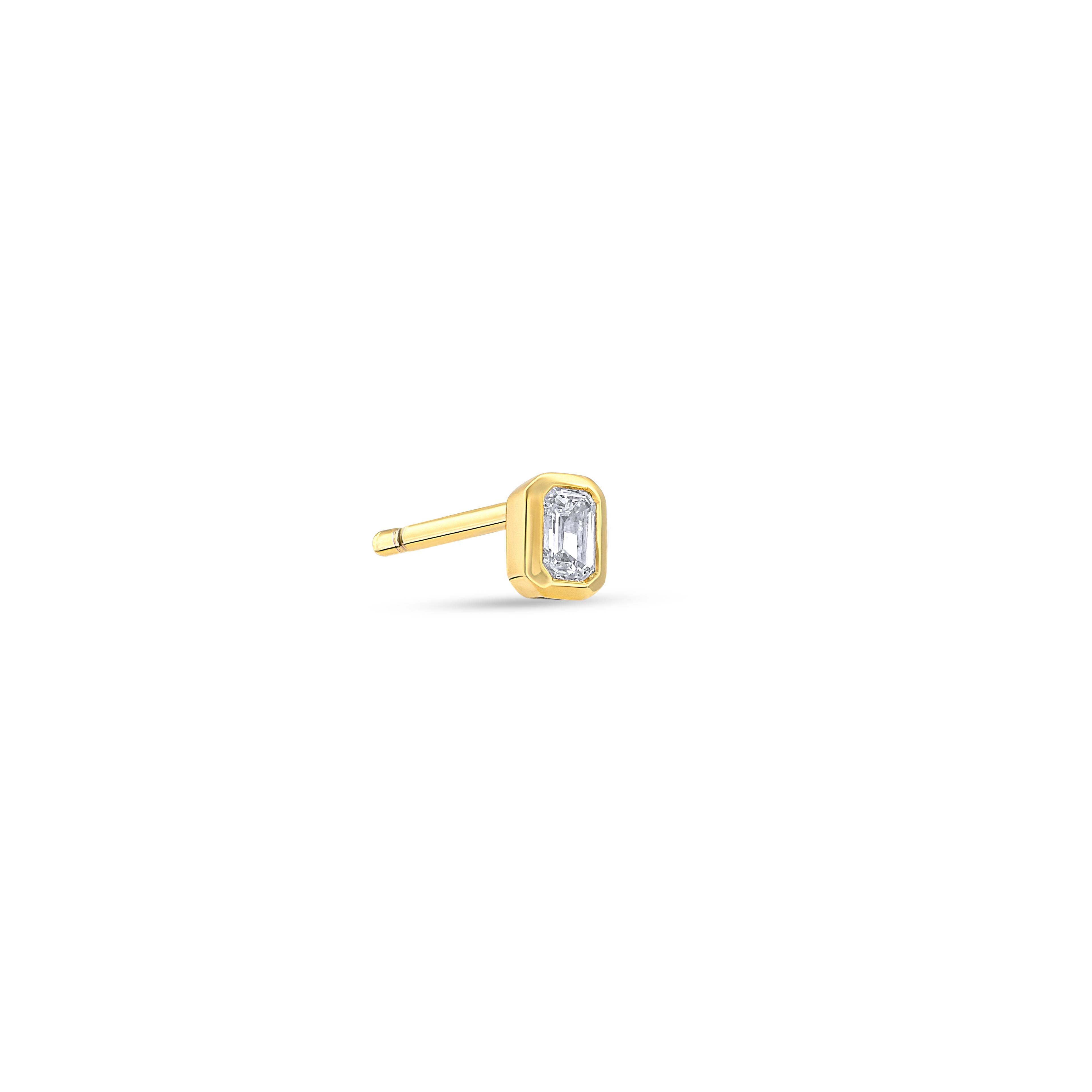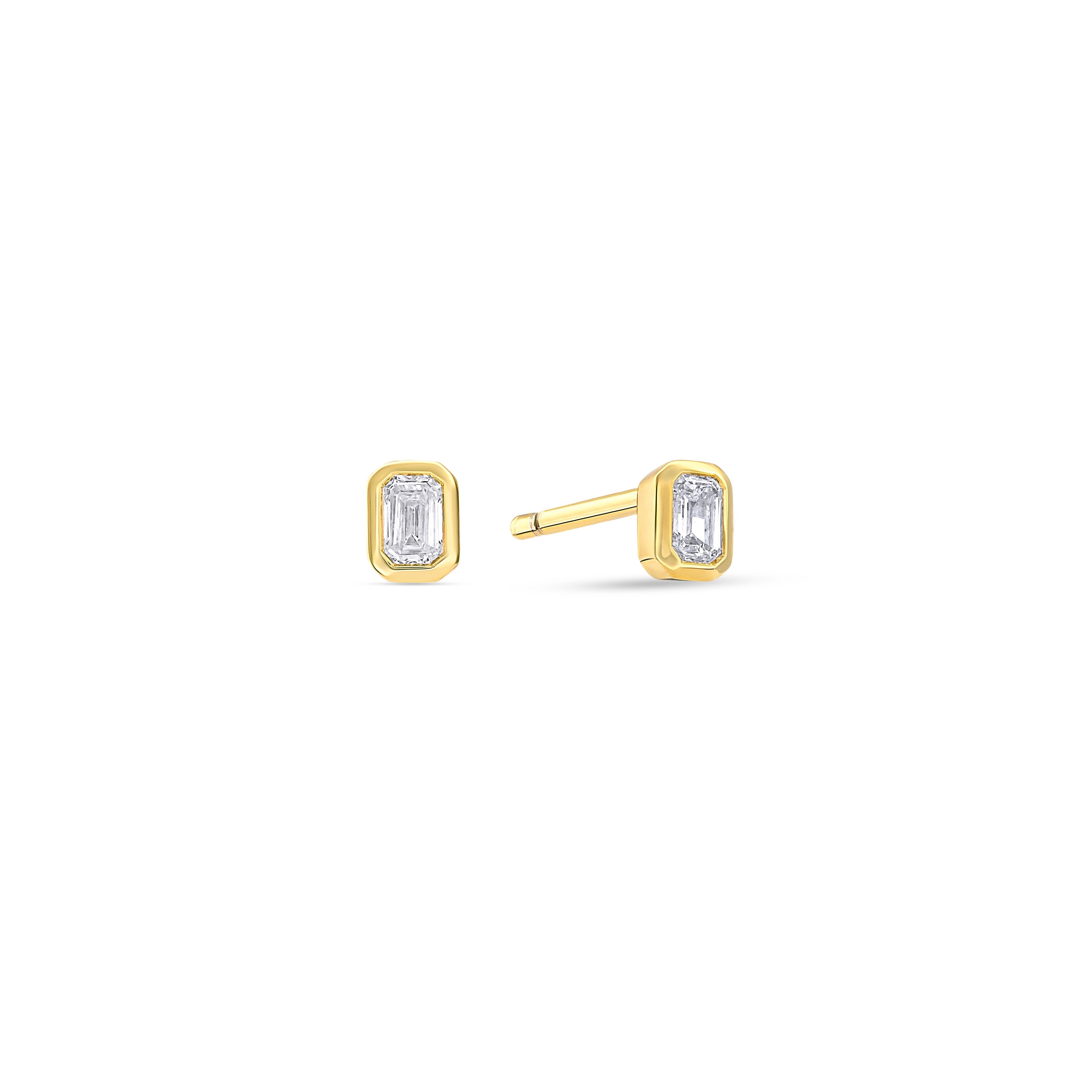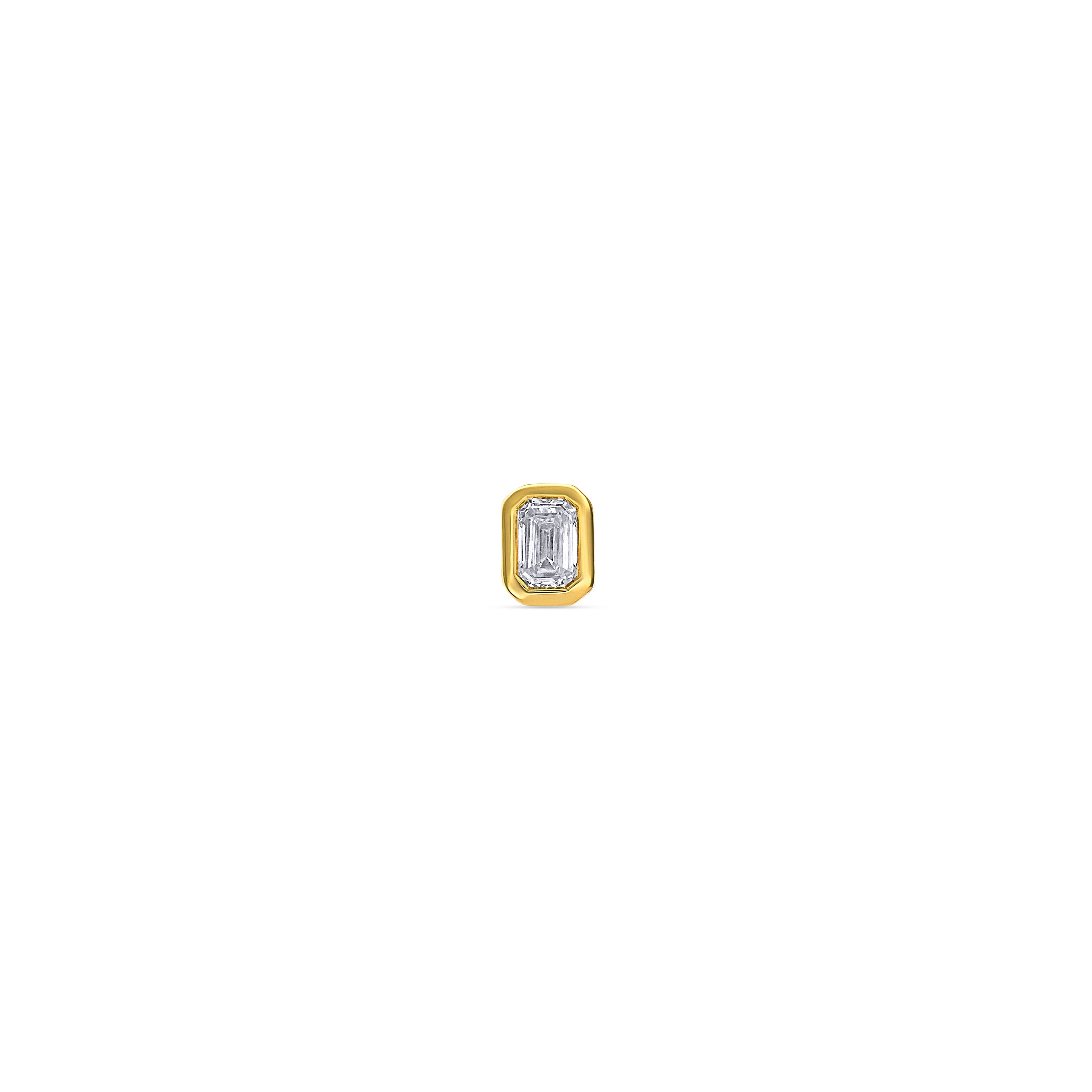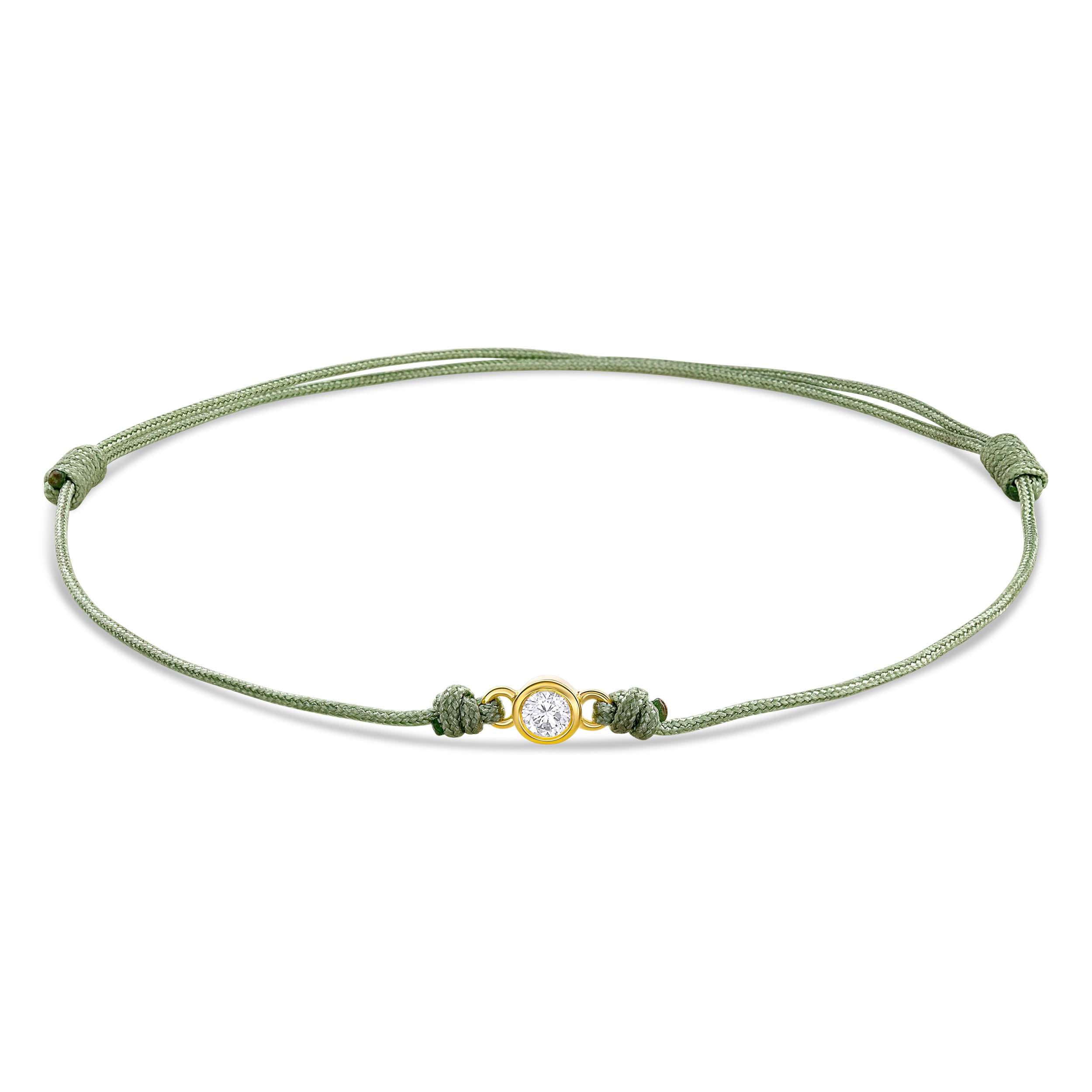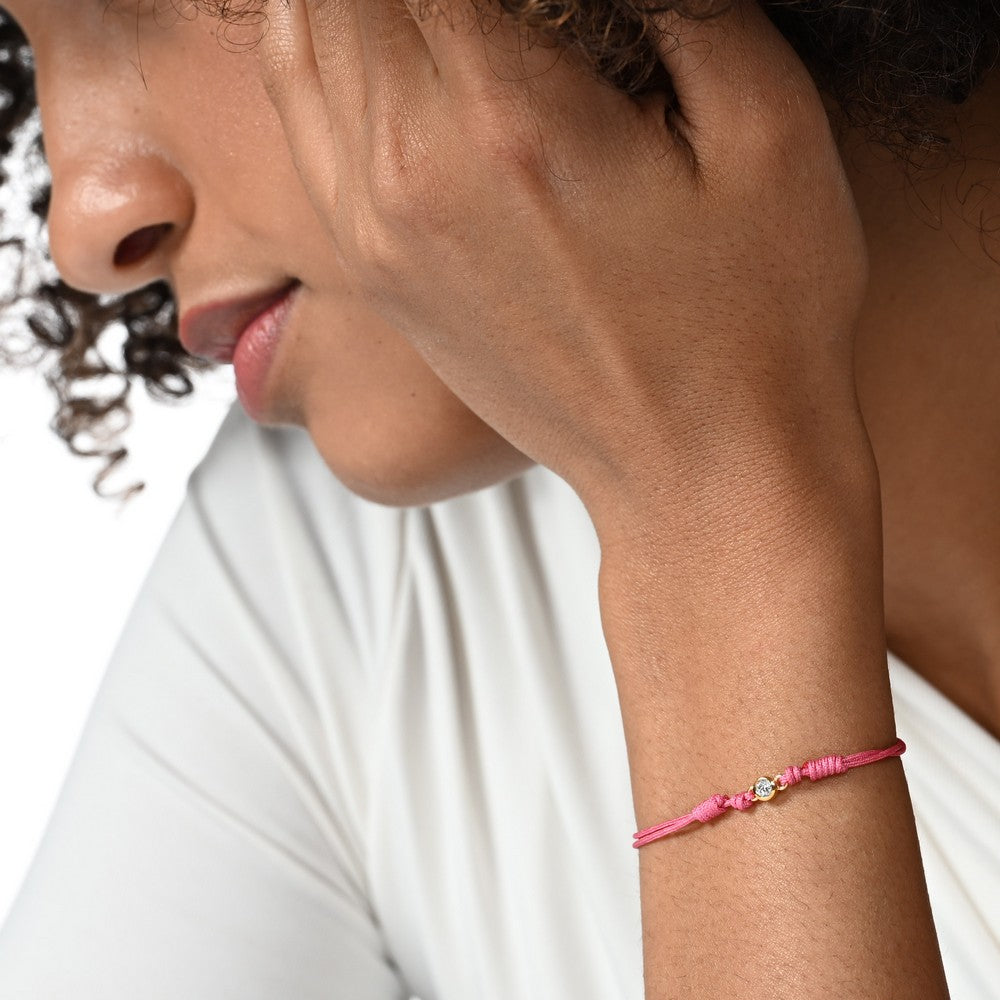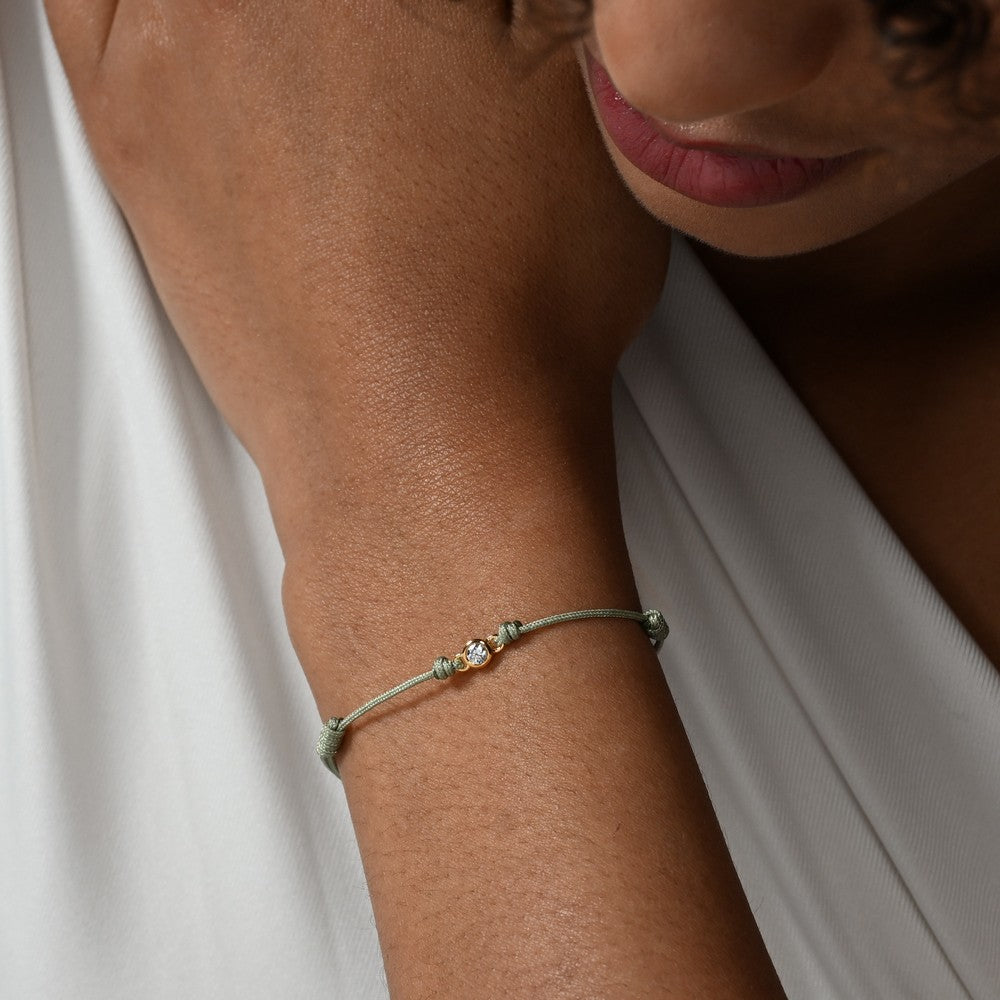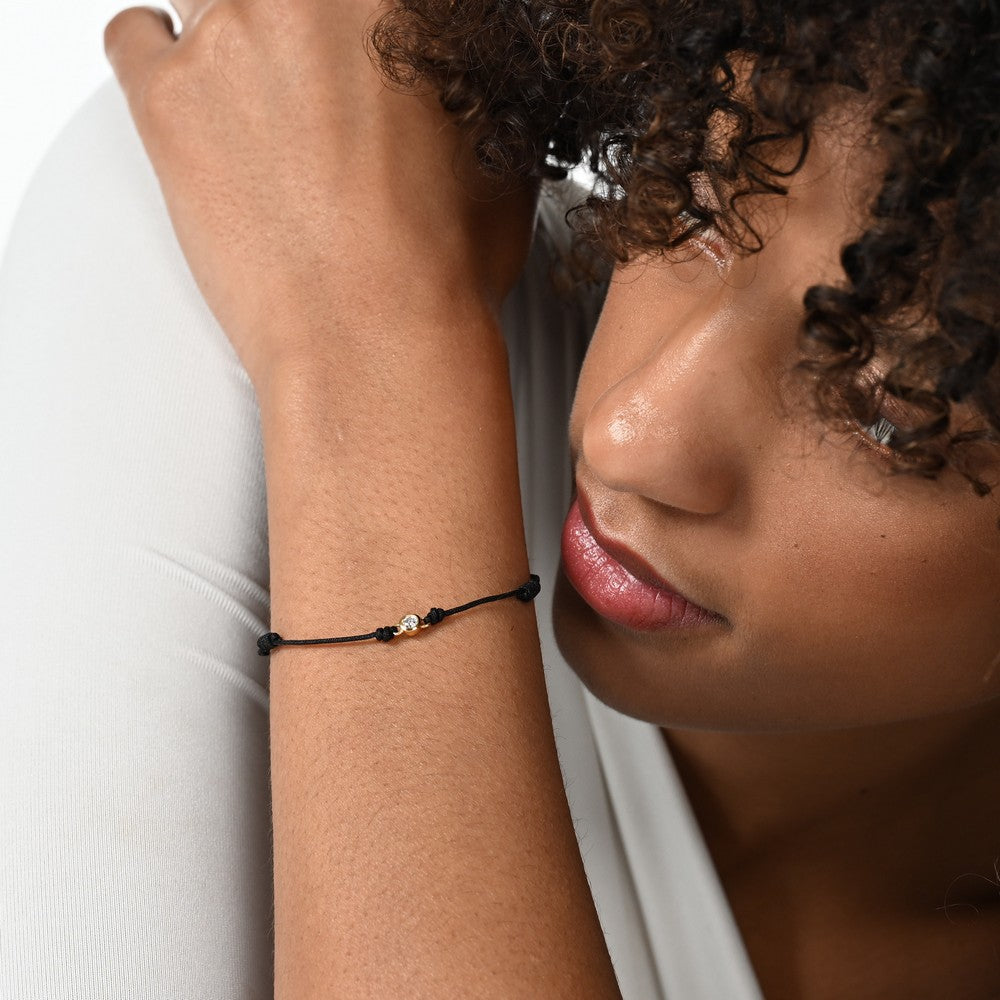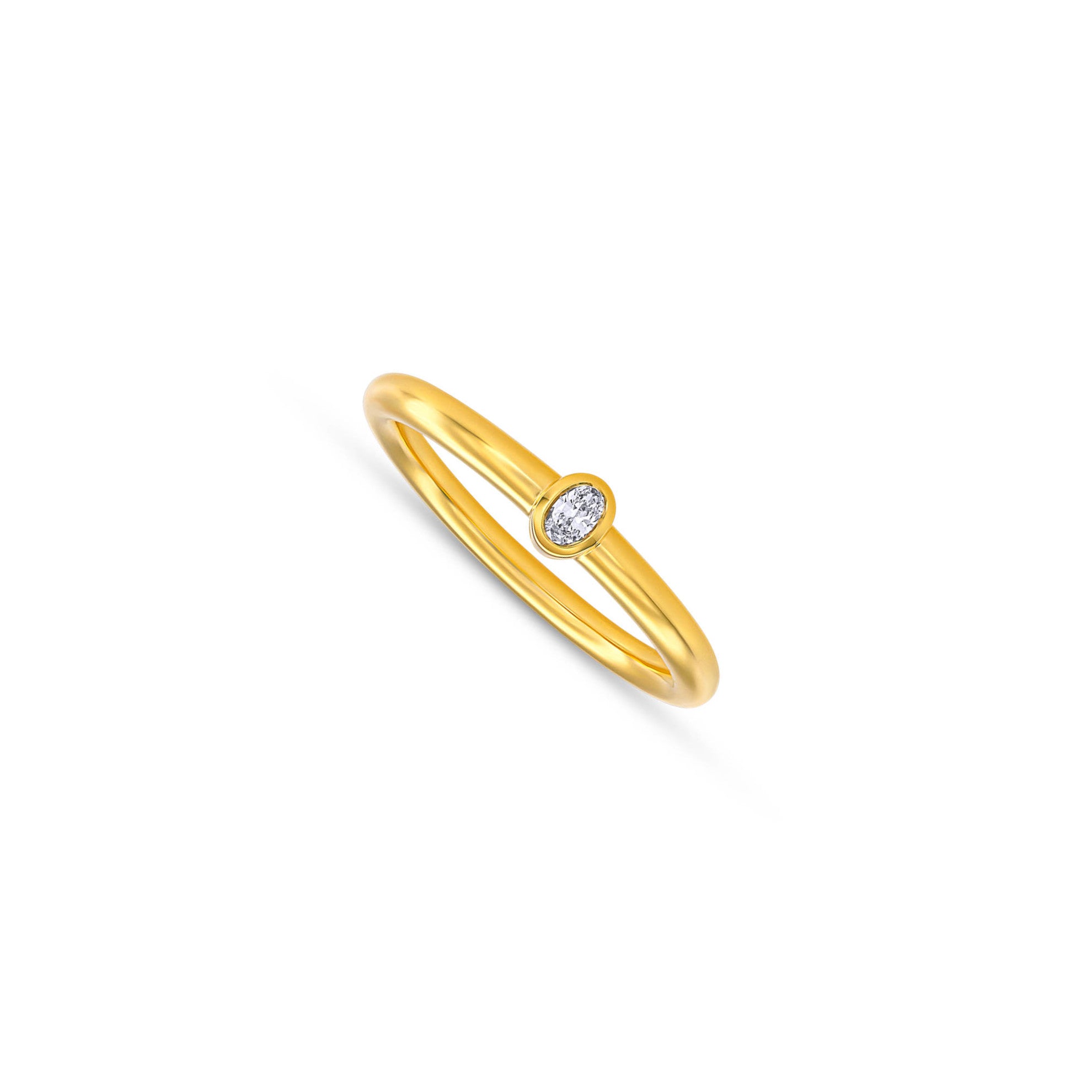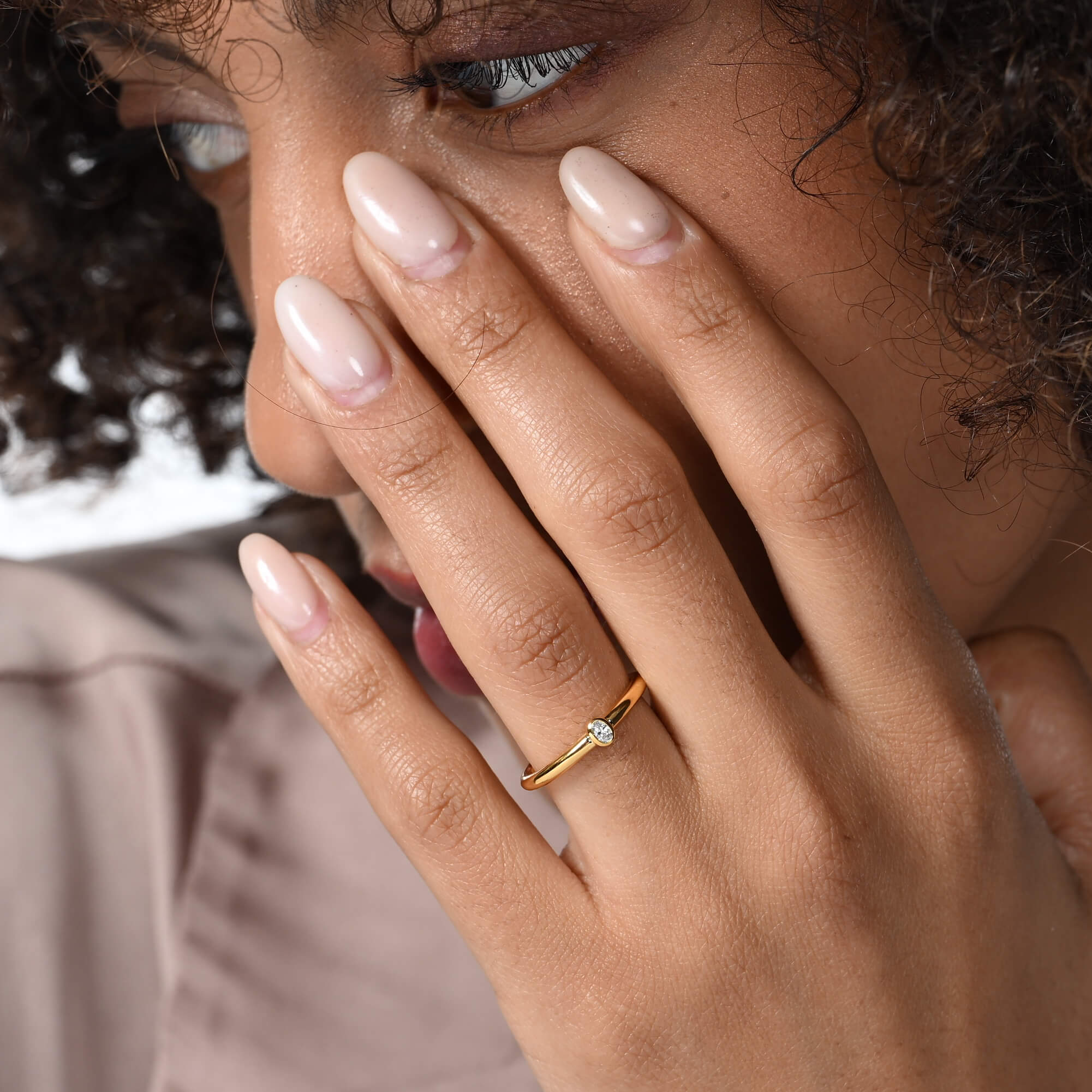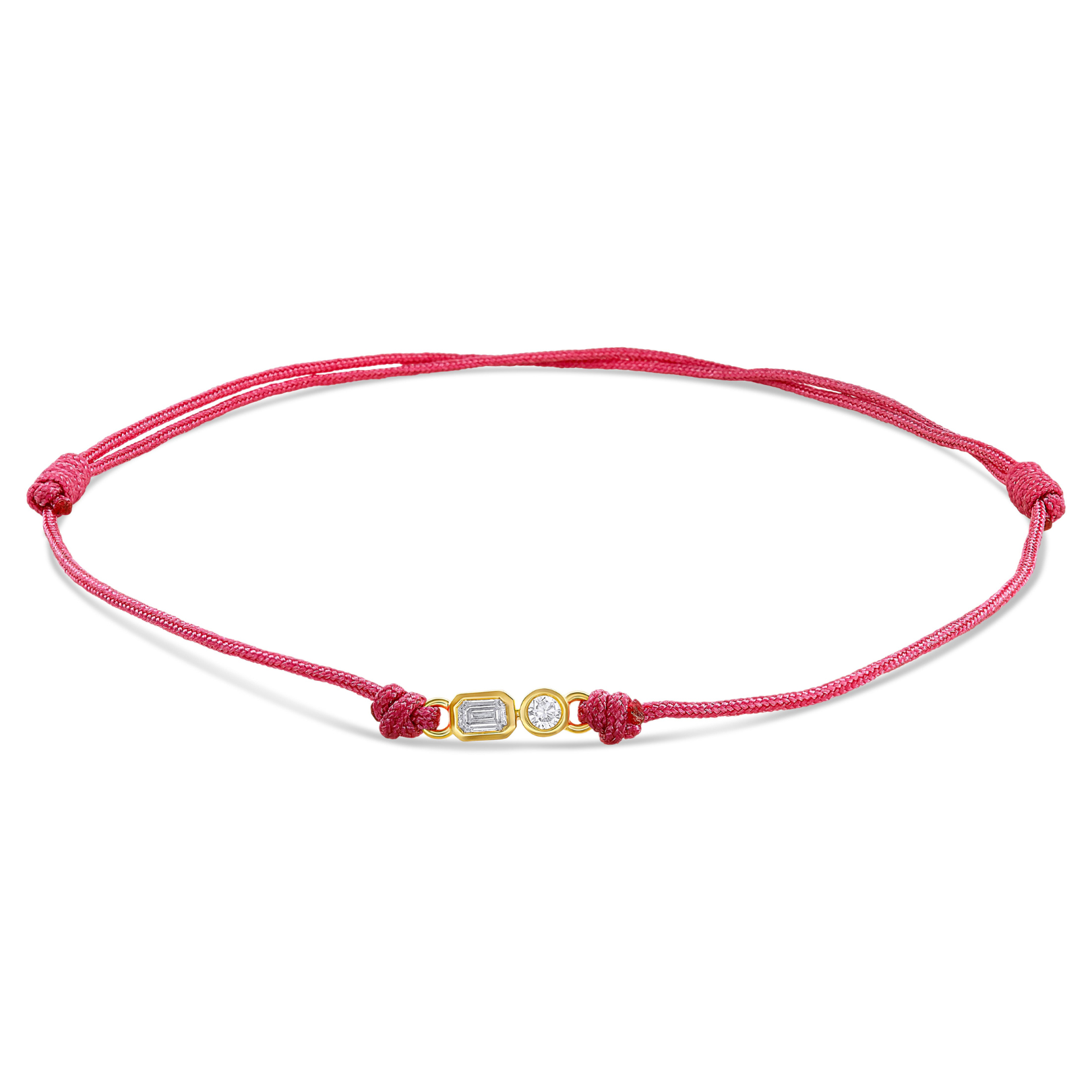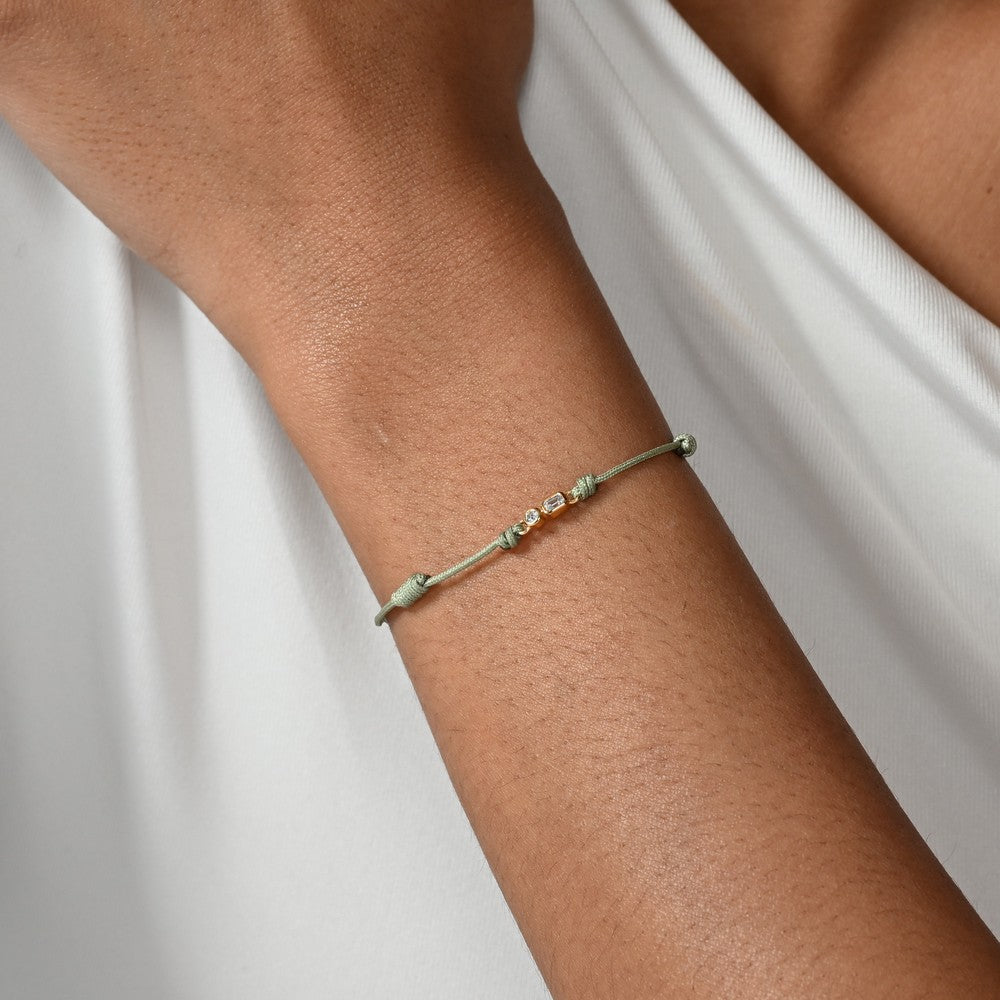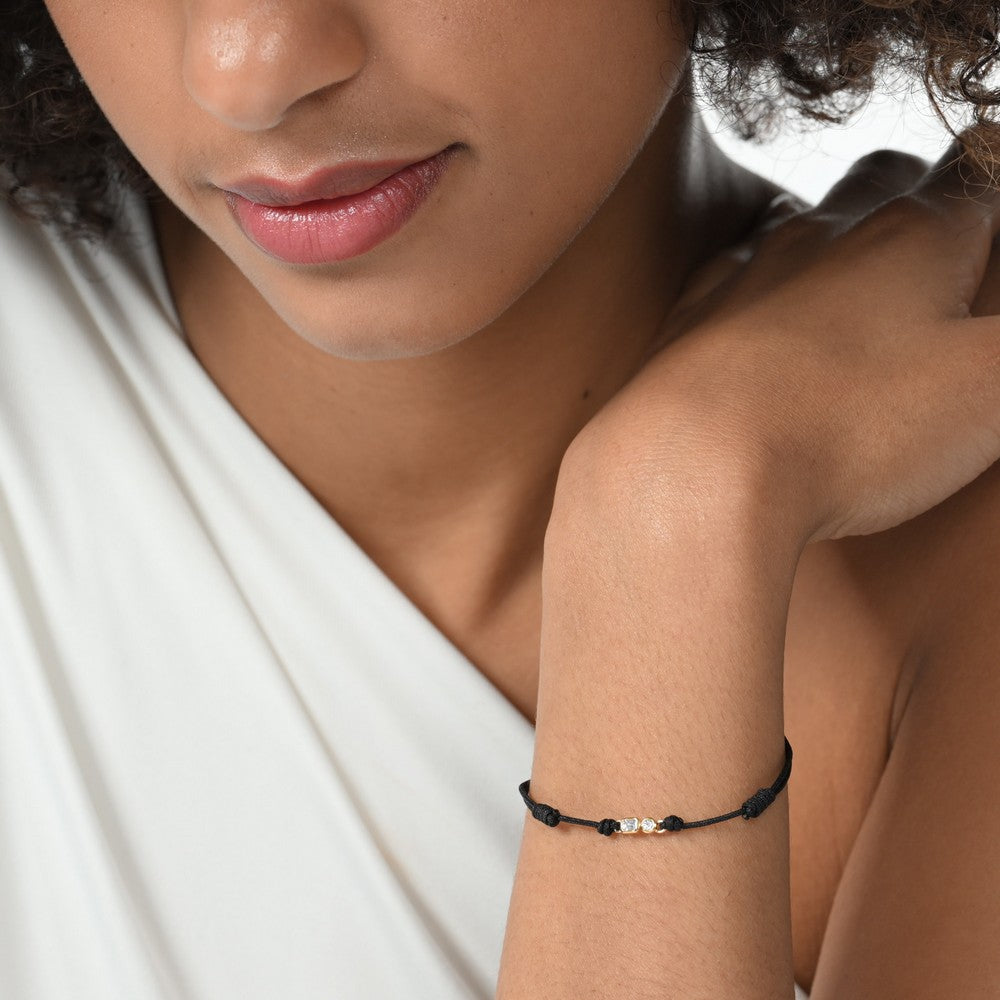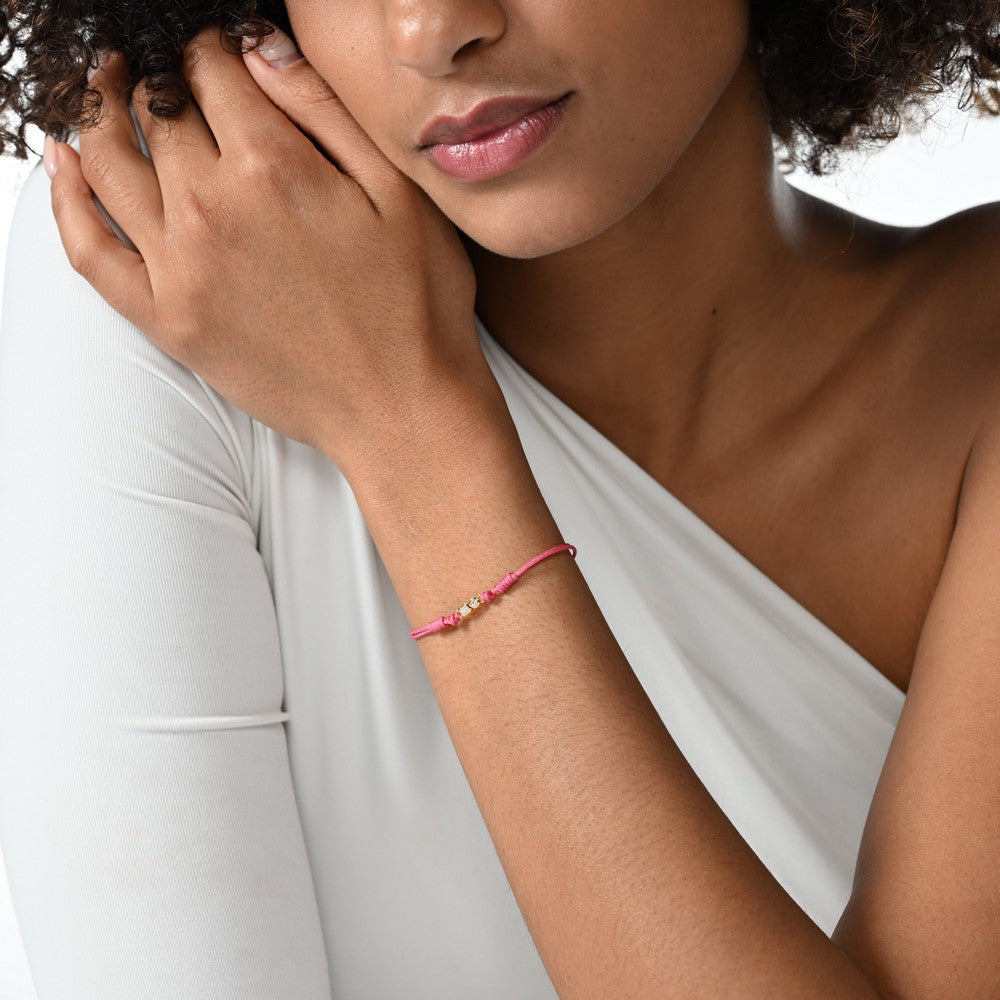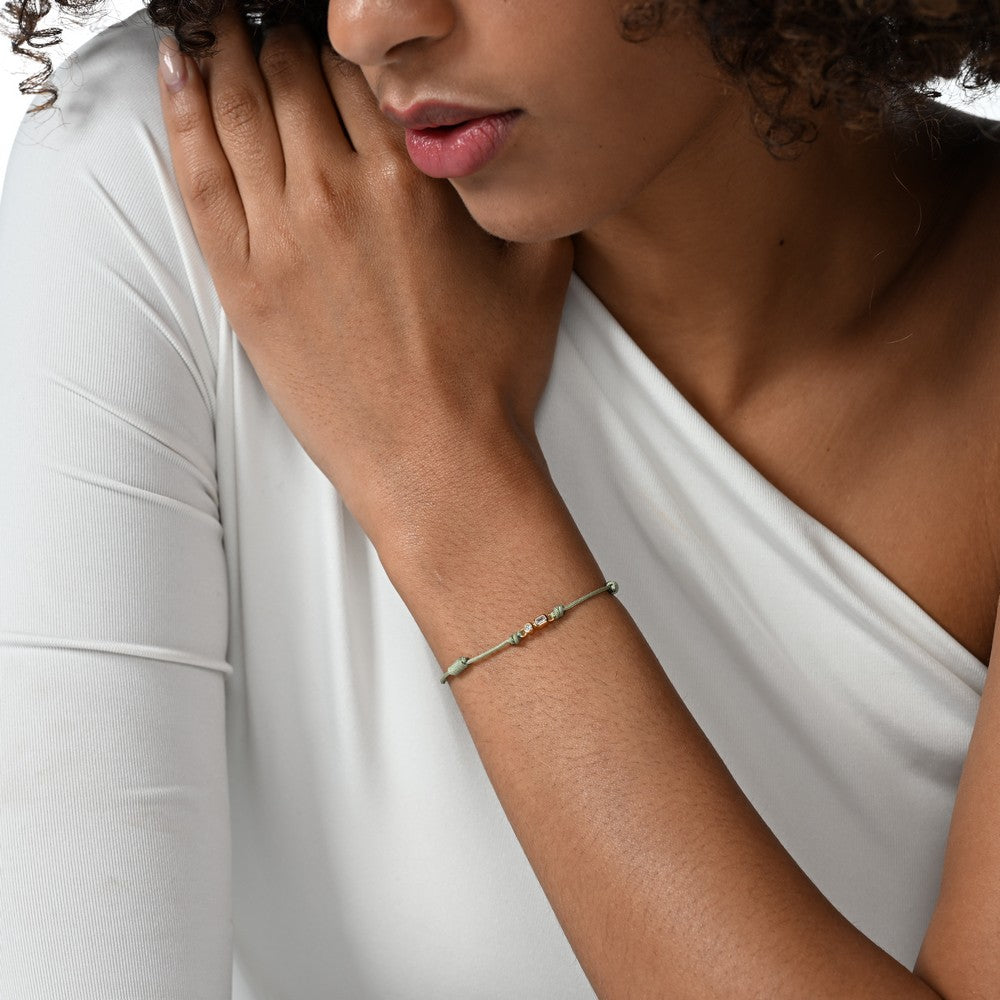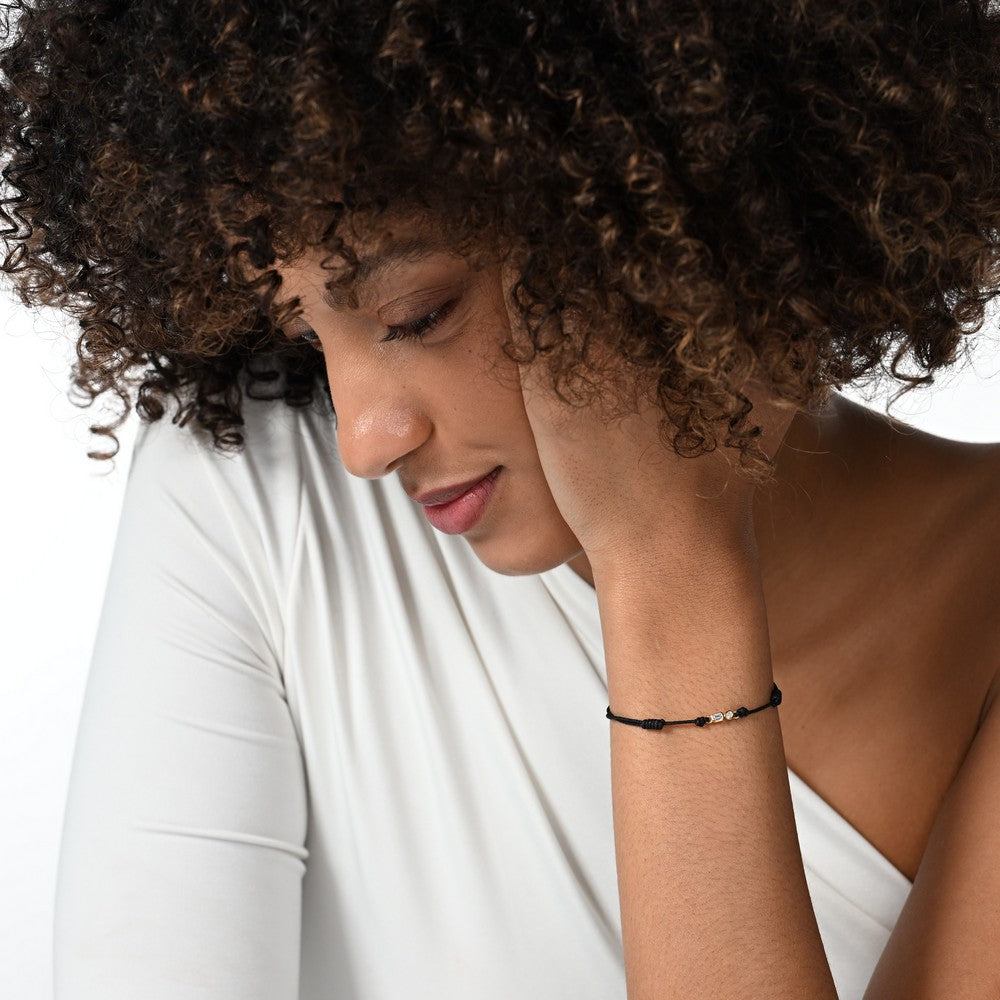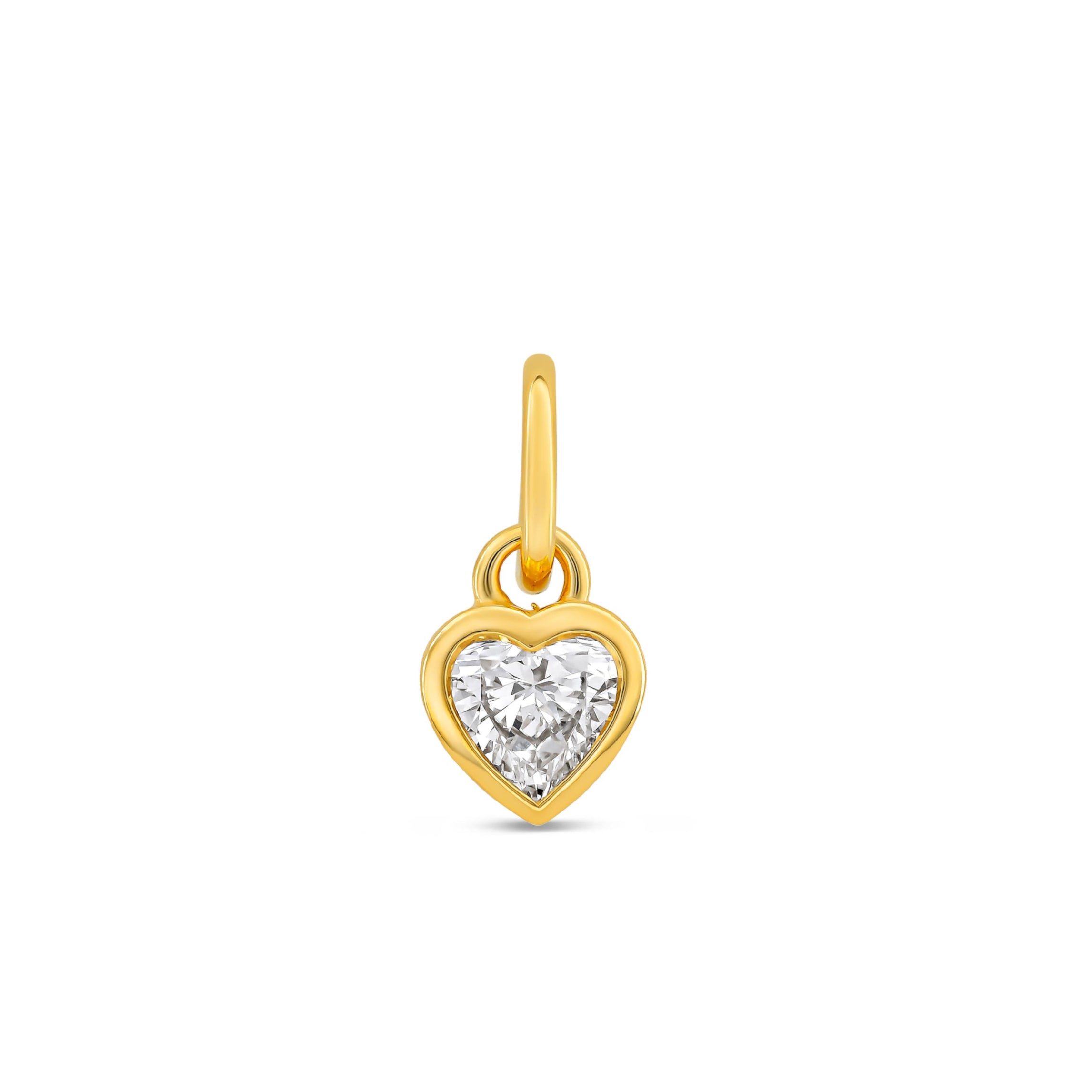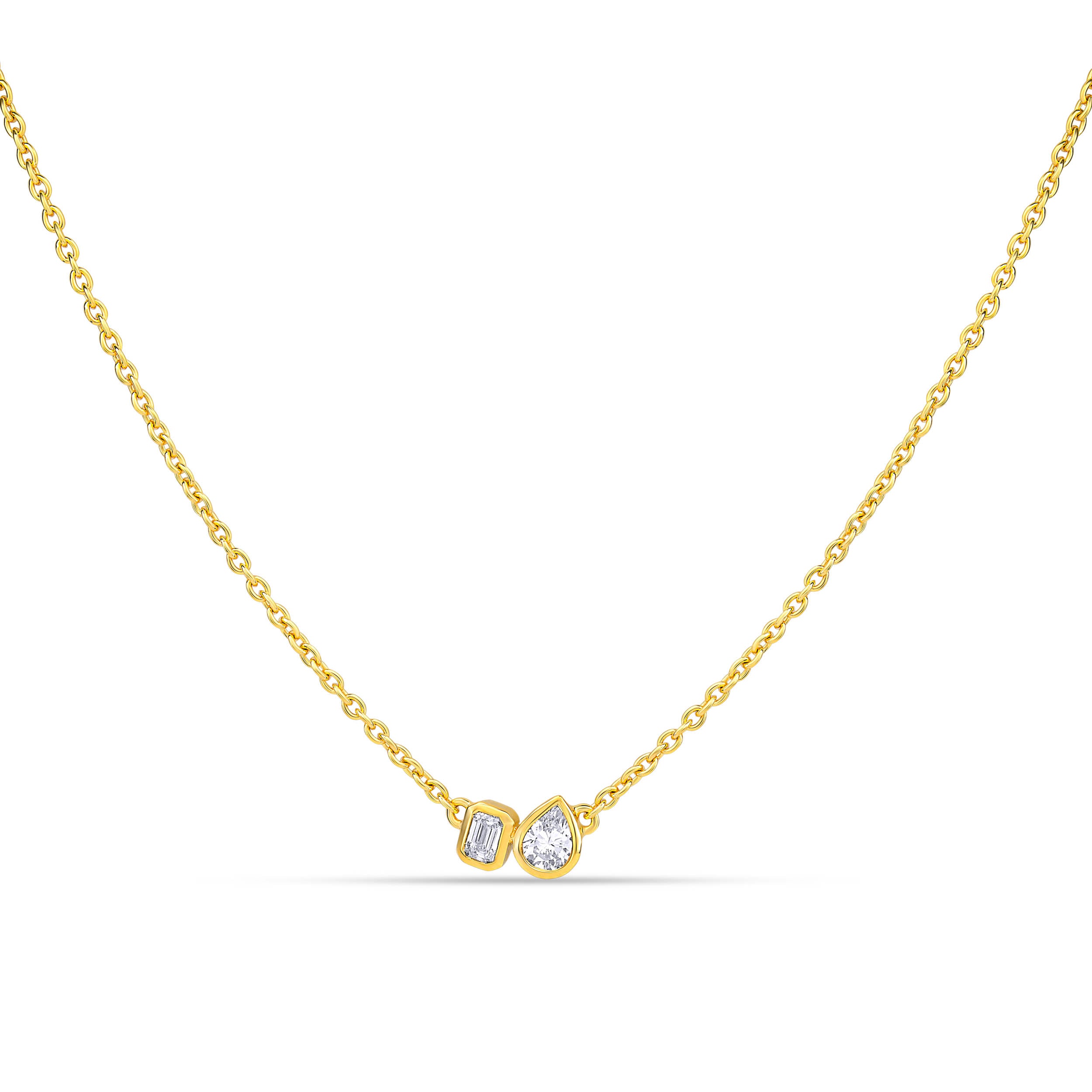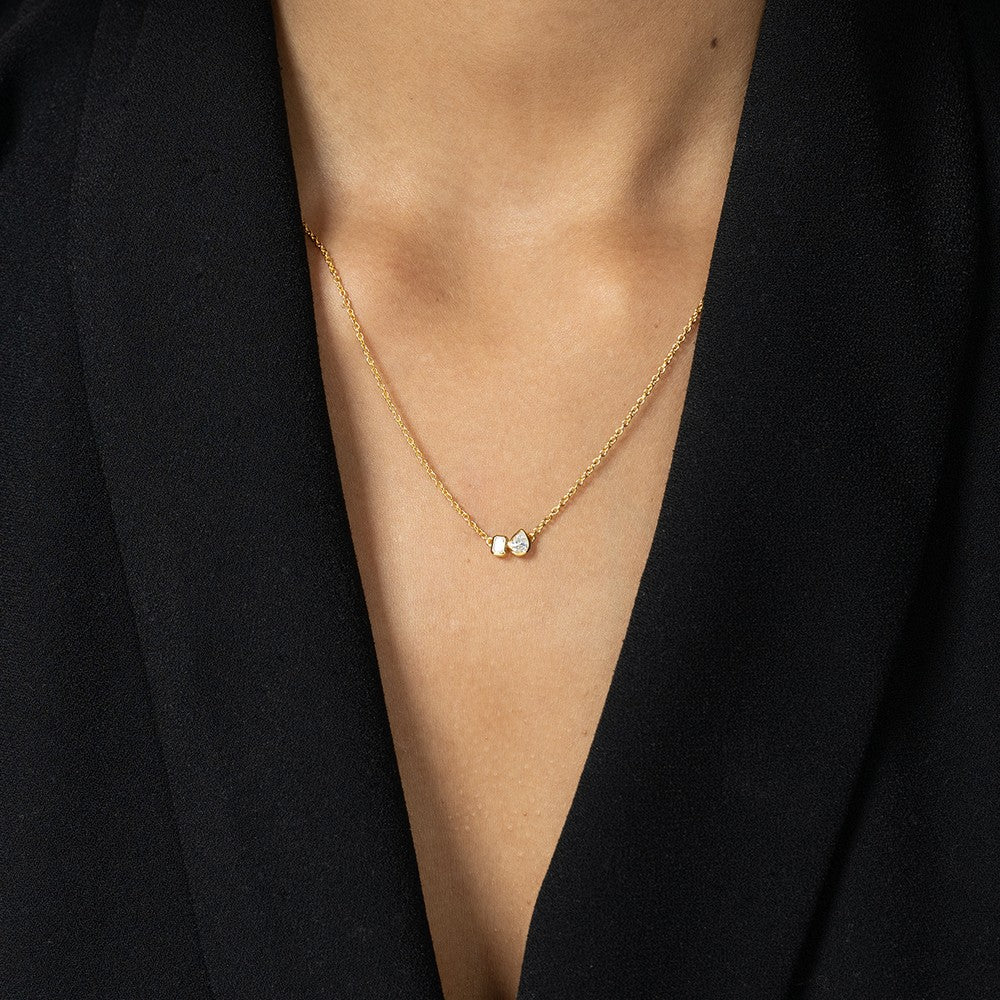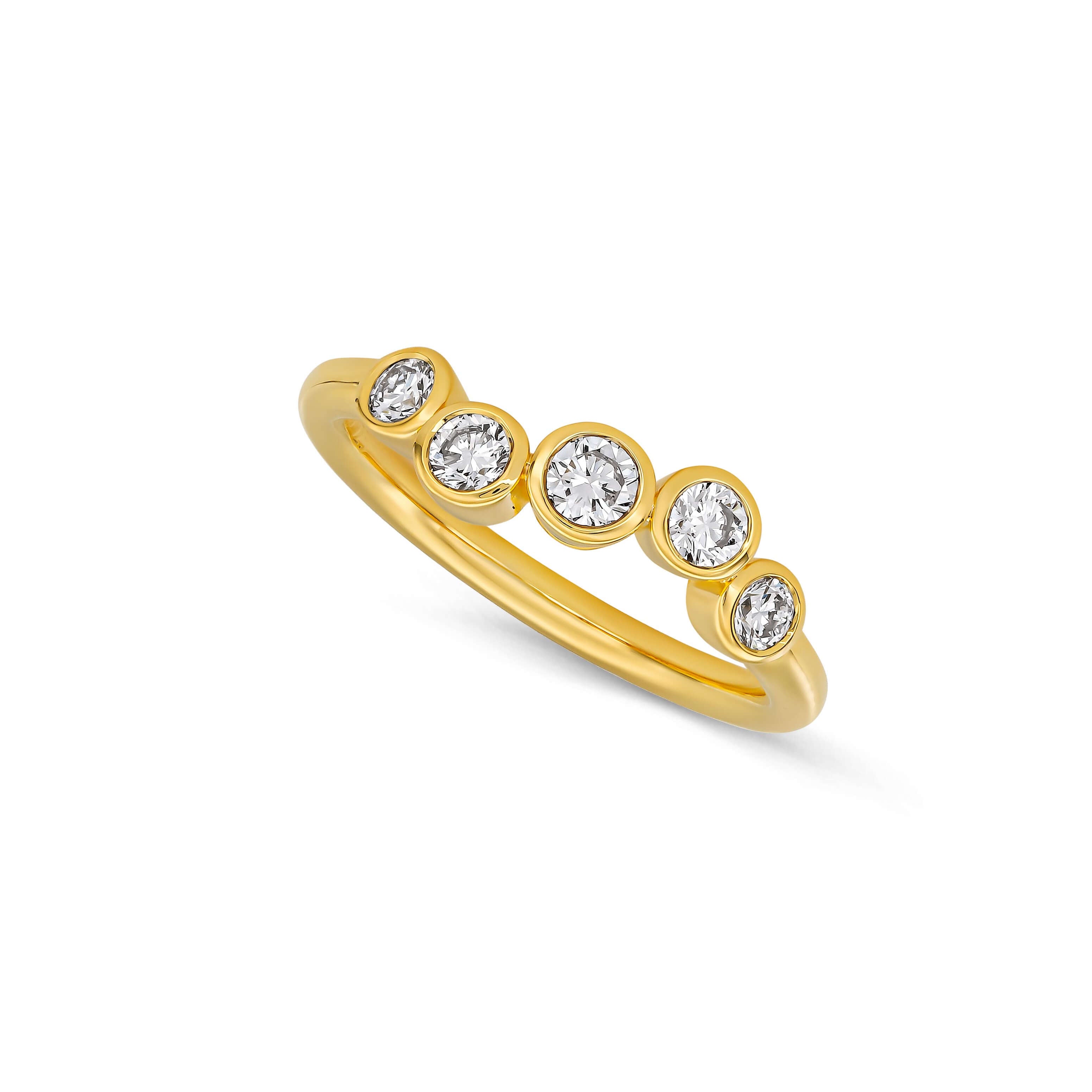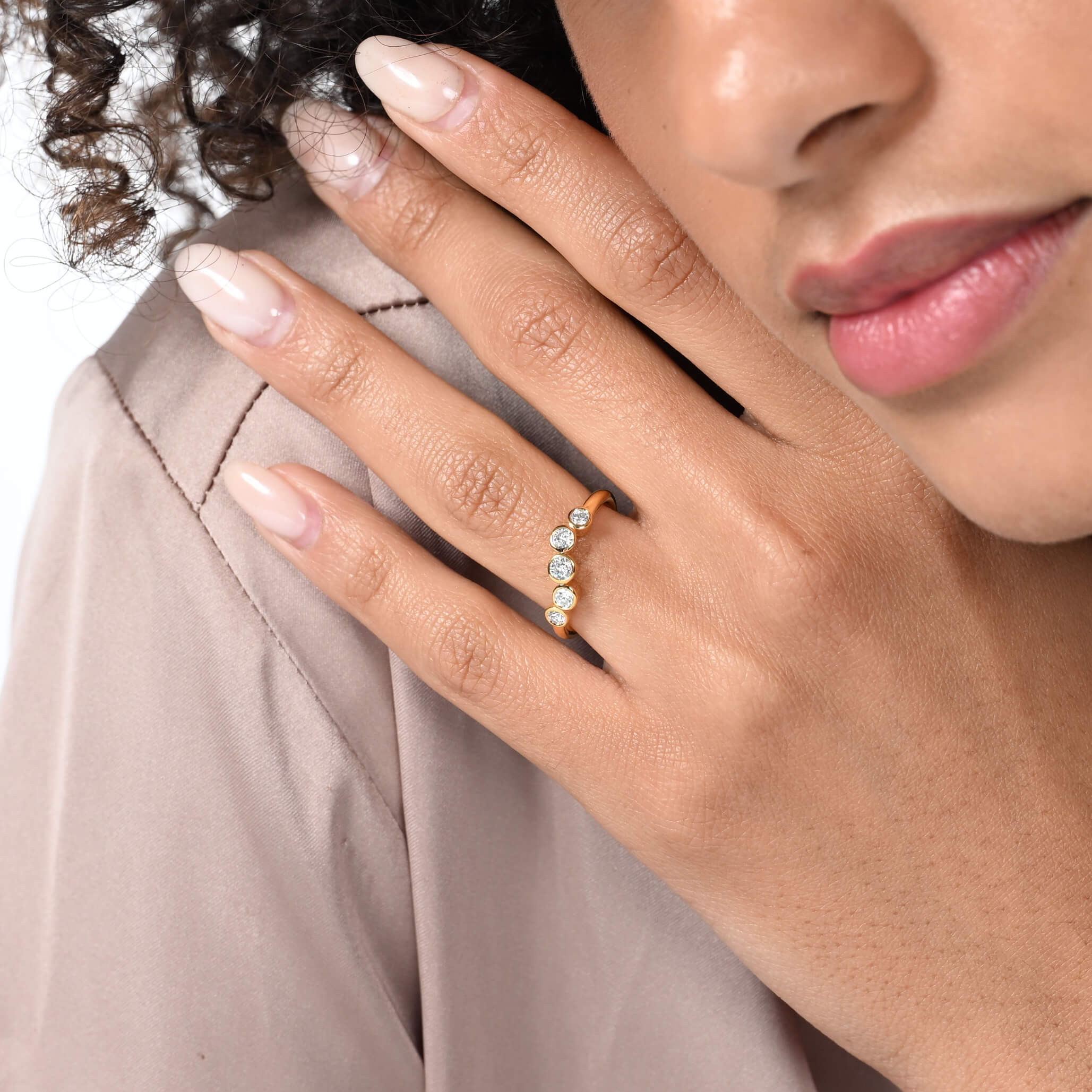


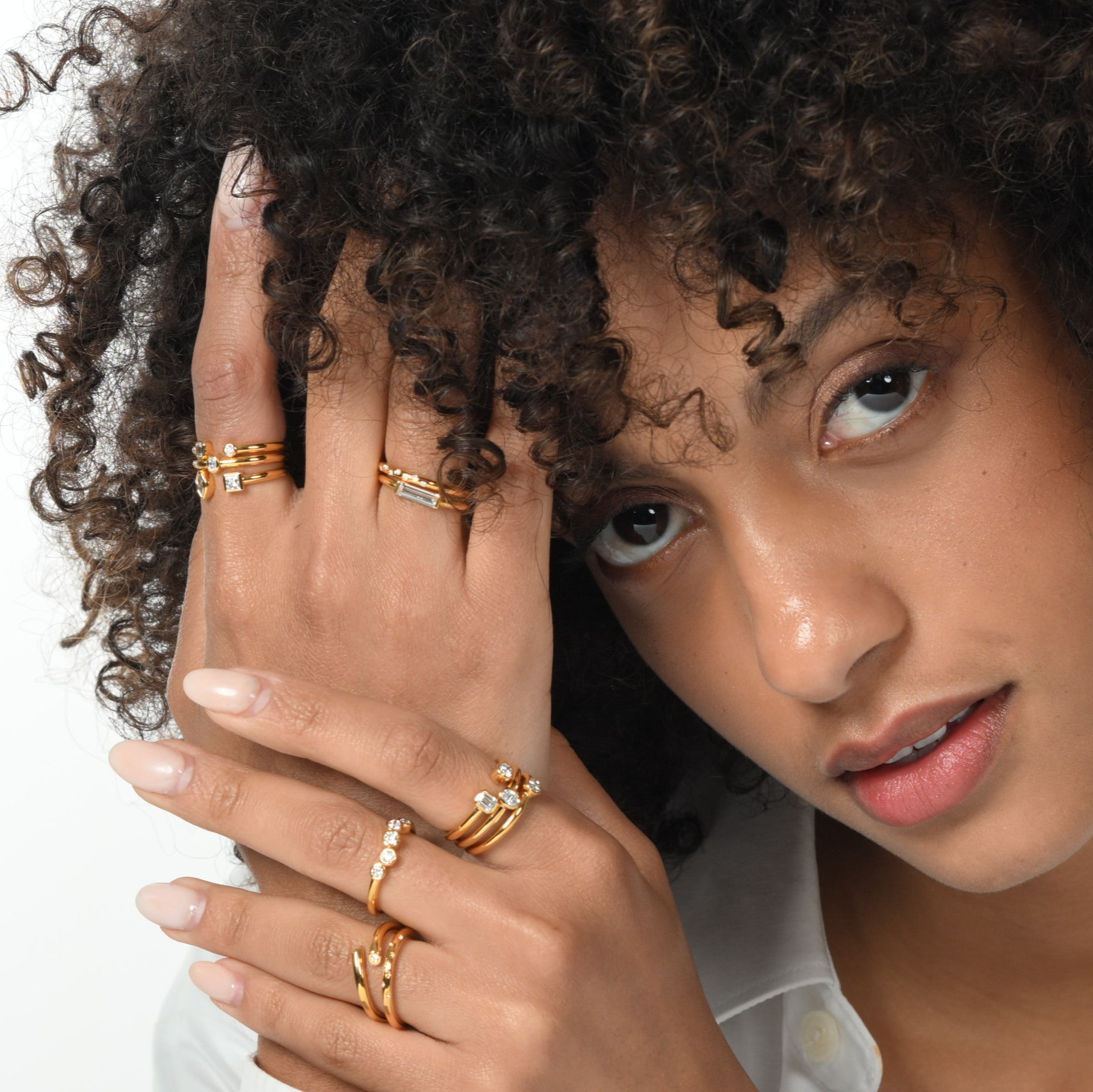


Look at a clear, sparkling stone today and you genuinely can't tell its origin just by looking at it. It might be a natural diamond, pulled from deep underground. It might be a lab-grown diamond, chemically identical but made in weeks instead of billions of years. Or it might be a diamond simulant — a completely different mineral shaped to look the part.
Three categories, three very different price tags, and a lot of marketing noise in between. Here's what actually separates them.
Lab-Grown Diamonds vs Natural Diamonds: The Core Comparison
This is the comparison most people actually want answered, so let's get straight to it: a lab-grown diamond is not a fake or an imitation. It has the same carbon structure, the same 10/10 hardness on the Mohs scale, and the same optical brilliance as a mined diamond. A jeweler can't tell them apart by eye — only specialized lab equipment can, by detecting trace growth patterns invisible to the naked eye.
The real difference is origin and time.
Natural diamonds form over one to three billion years, deep in the Earth's mantle, under pressure and heat that no factory replicates by accident — it took nature that long to get the conditions right. That geological history is part of what natural diamonds have historically been valued for.
Lab-grown diamonds are grown in controlled chambers that recreate those same high-pressure, high-temperature conditions (or, in newer processes, a vapor-deposition method) — condensed into weeks rather than eons. Same carbon, same crystal lattice, same result.
| Natural Diamond | Lab-Grown Diamond | |
| Composition | Carbon | Carbon |
| Hardness (Mohs) | 10 | 10 |
| Formation time | Billions of years | Weeks to months |
| Price per carat* | €3,000–€5,000+ | €300–€800+ |
*Approximate prices for a loose 1-carat stone (or equivalent size). Final pricing depends on quality, cut, market conditions and certification (for diamonds).
The price gap — often 70–90% — exists because natural diamonds carry the cost of rarity and extraction, not a difference in the stone itself.
Diamond Simulants: A Different Category Entirely
Not every clear, sparkling stone is a diamond at all. Diamond simulants are gemstones engineered to resemble diamonds without sharing their chemistry. They're not lesser diamonds — they're a different mineral altogether, with their own personality and price point.
Moissanite vs Cubic Zirconia: Which Should You Choose?
The two most common simulants get compared constantly, and for good reason — they sit at opposite ends of the simulant spectrum.
Moissanite (silicon carbide, 9.25 on the Mohs scale) was first discovered in a meteor crater and is now lab-created for jewelry. It's durable enough for daily wear and has a higher refractive index than diamond, which means more visible "fire" — flashes of rainbow color under direct light. A colorless 1-carat moissanite runs roughly €100–€300.
Cubic zirconia (CZ) (zirconium dioxide, 8–8.5 Mohs) is the budget option — a 1-carat look for under €20. It sparkles beautifully out of the box, but it's noticeably softer. With daily wear, CZ tends to pick up surface scratches and absorb oils within a year or two, dulling its clarity. It's better suited to occasional-wear or trend pieces than to a ring you'll wear every day.
In short: if you want everyday durability with strong color-flash, moissanite wins. If budget is the only priority and the piece won't see daily wear, CZ is a reasonable choice.

How Much Does a Lab Diamond Cost Per Carat?
For a quick reference, here's what a 1-carat stone costs across all four options*:
- Natural diamond: €3,000–€5,000+
- Lab-grown diamond: €300–€800+
- Moissanite: €100–€300
- Cubic zirconia: under €20
*These are approximate prices for a loose 1-carat stone (or equivalent size). Final pricing depends on quality, cut, market conditions and certification (for diamonds).
Lab diamond price per carat climbs with size the same way natural diamond pricing does, but the gap between lab and natural stays roughly proportional — meaning a 2-carat lab diamond will still cost dramatically less than a 2-carat natural one of comparable quality.
Everyday Diamond Jewelry: What Actually Holds Up
If you're buying a piece to wear daily — not just for special occasions — hardness matters more than most buying guides admit. Both natural and lab-grown diamonds sit at 10/10, the hardest natural material there is, which means they resist scratching indefinitely under normal wear. Moissanite (9.25) holds up well too. Cubic zirconia is the one to reserve for occasional wear, since it visibly degrades faster.
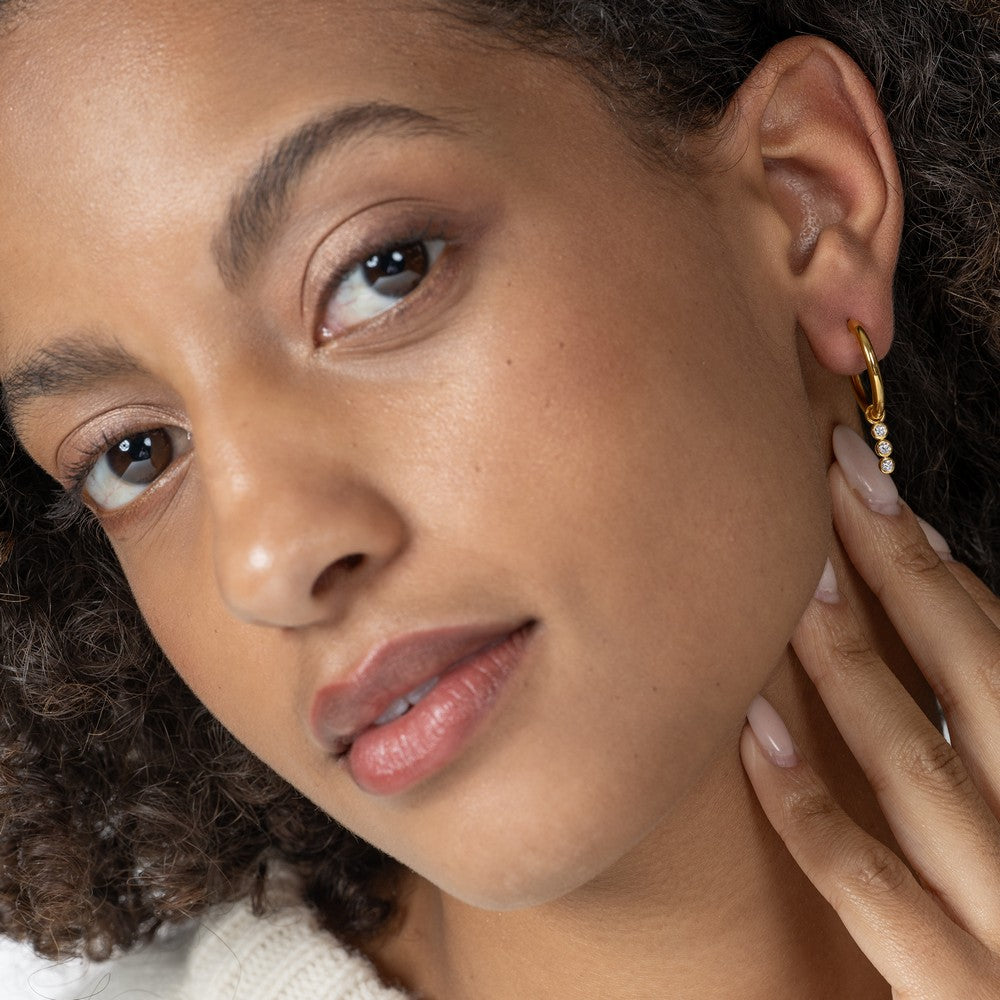
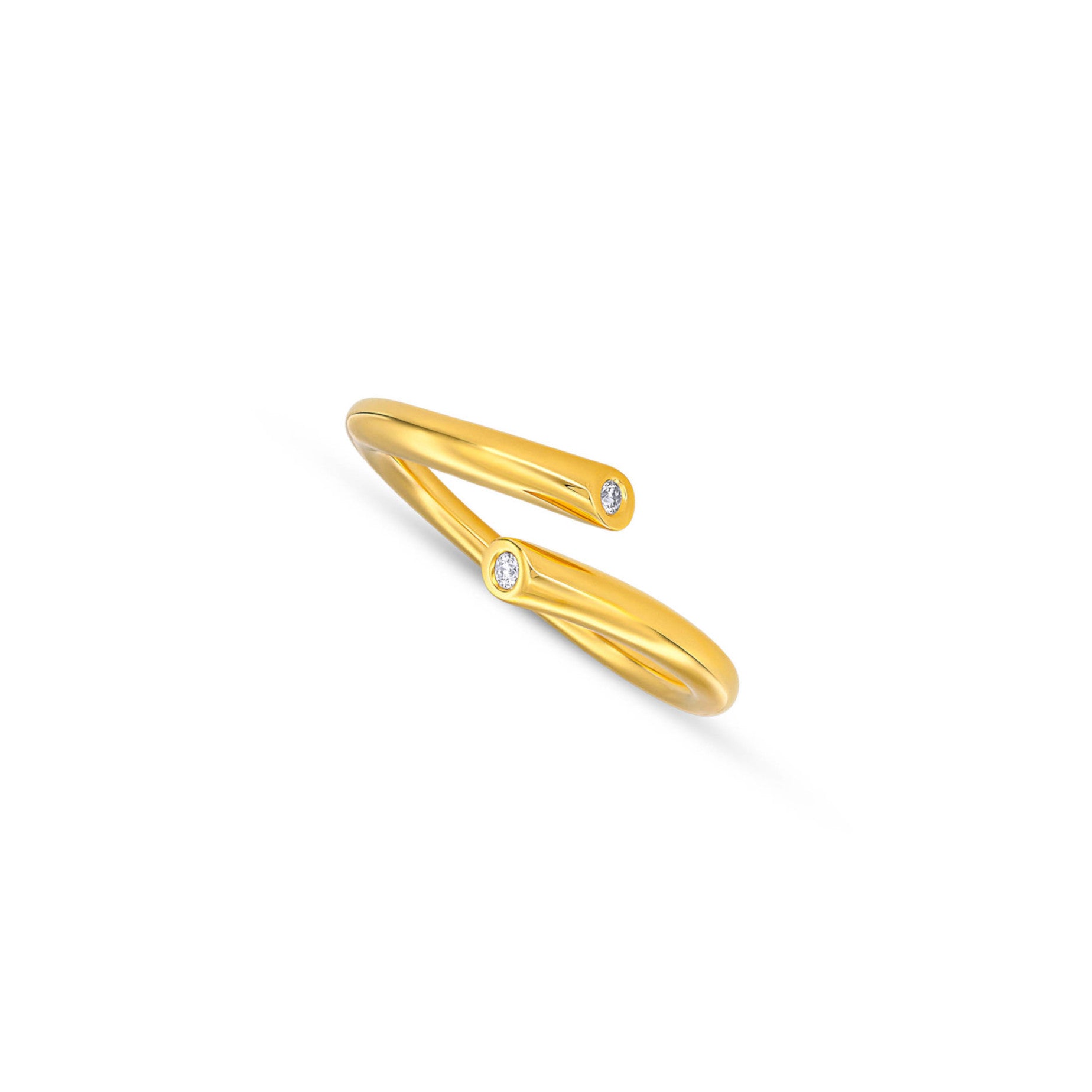
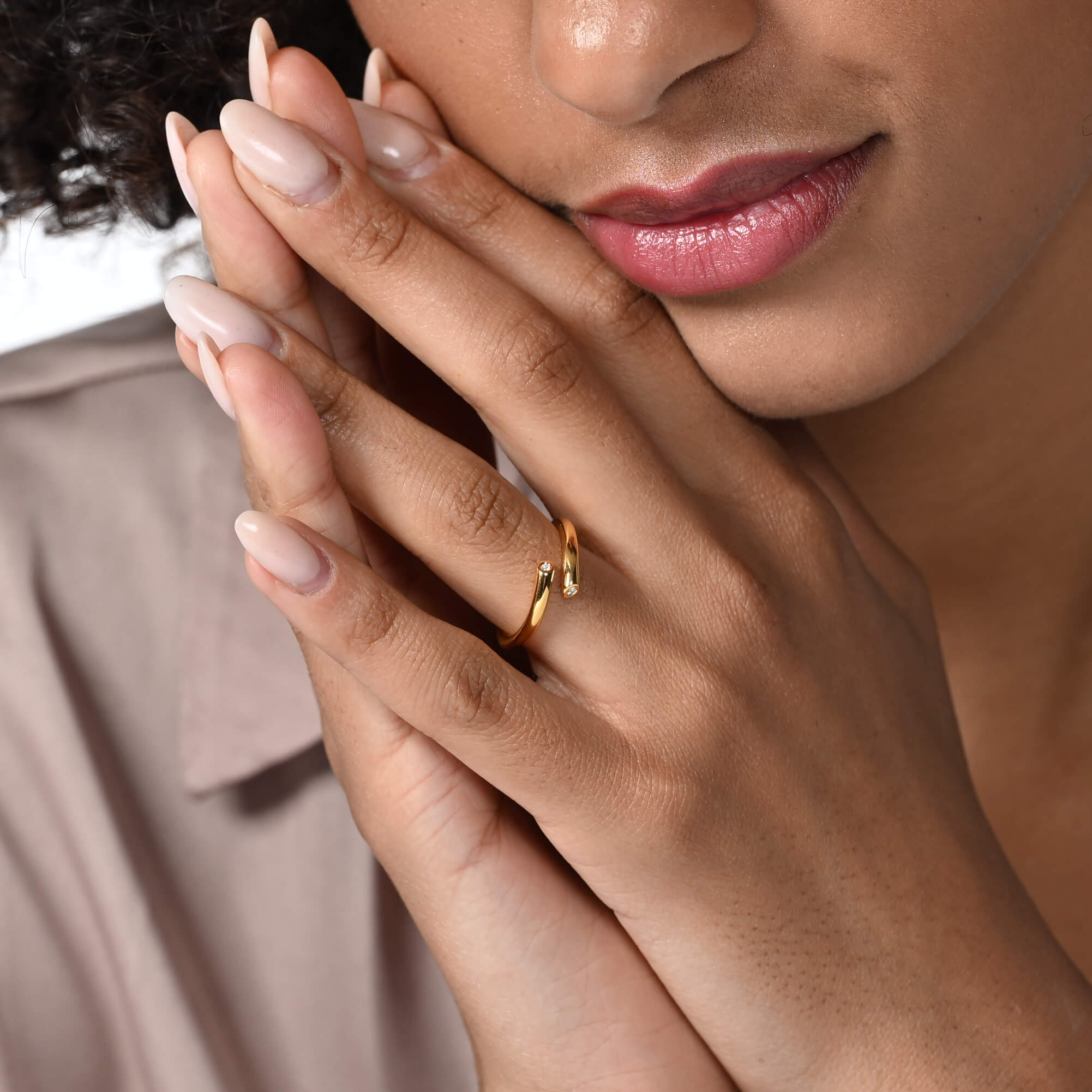
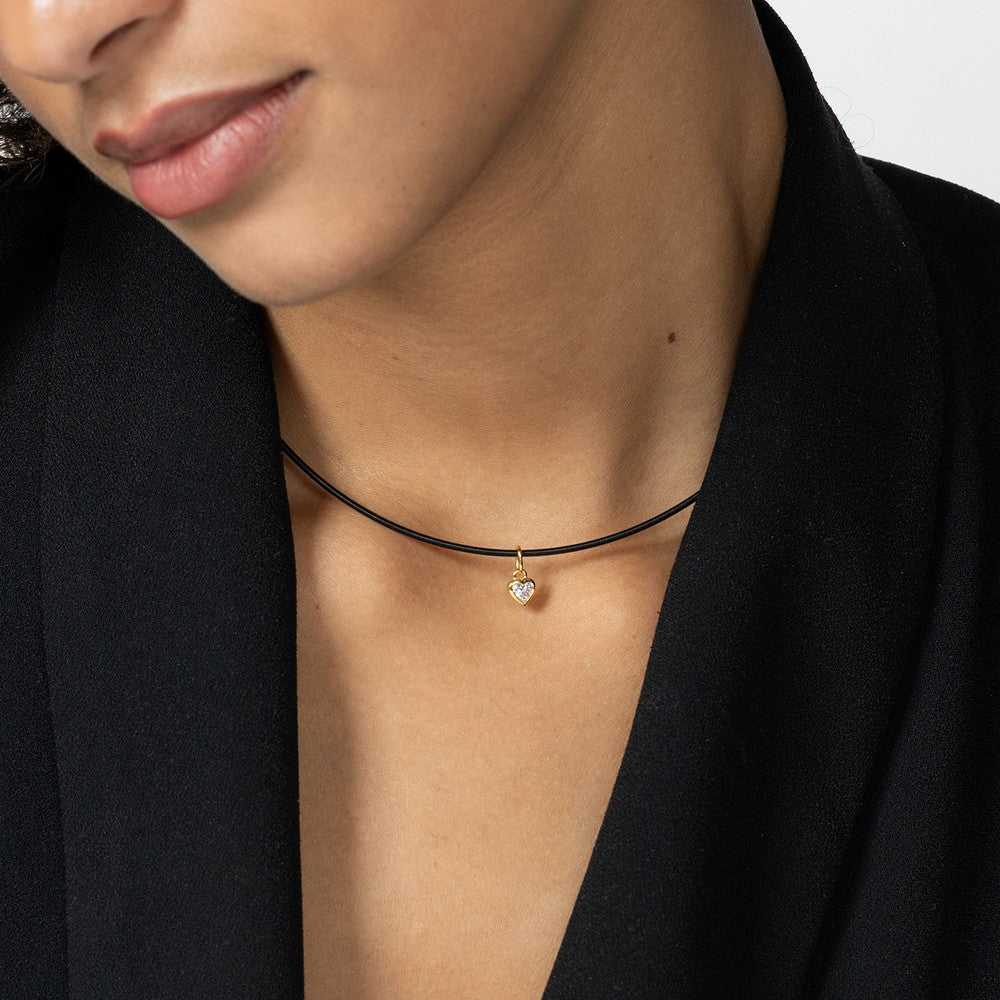
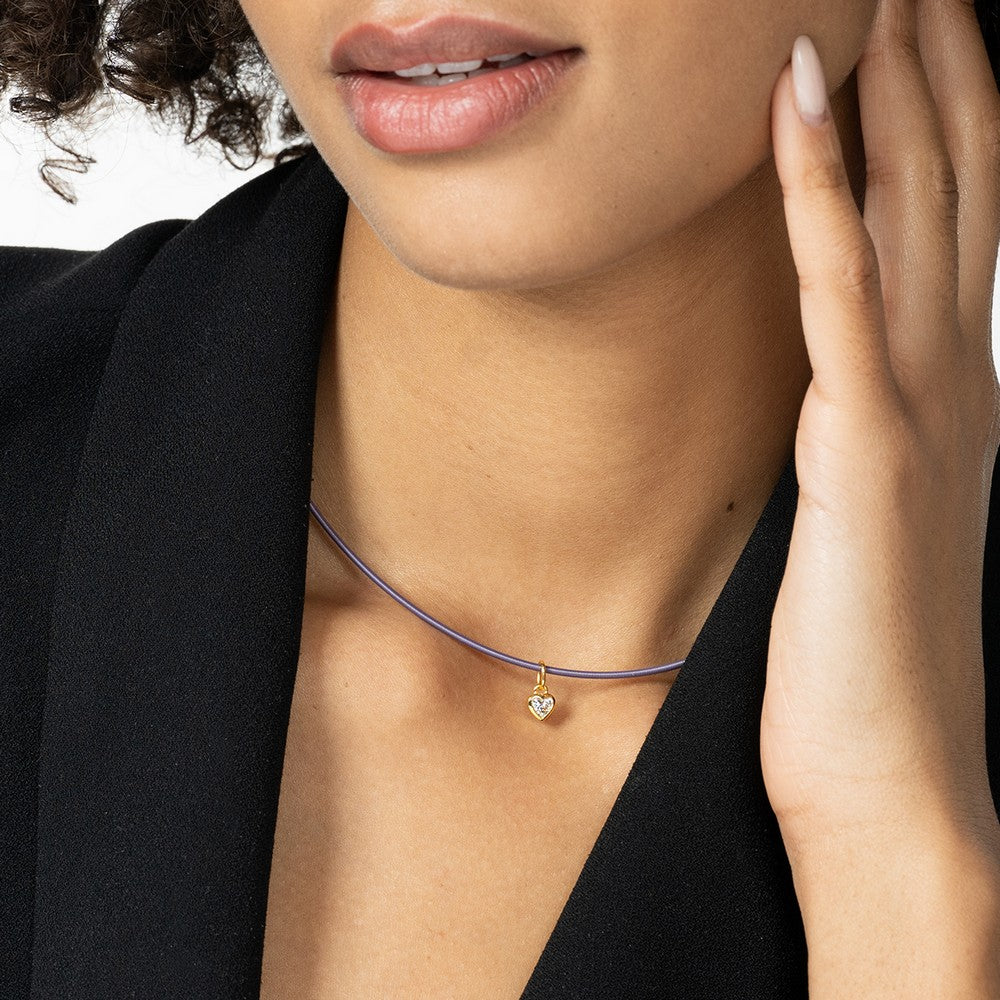
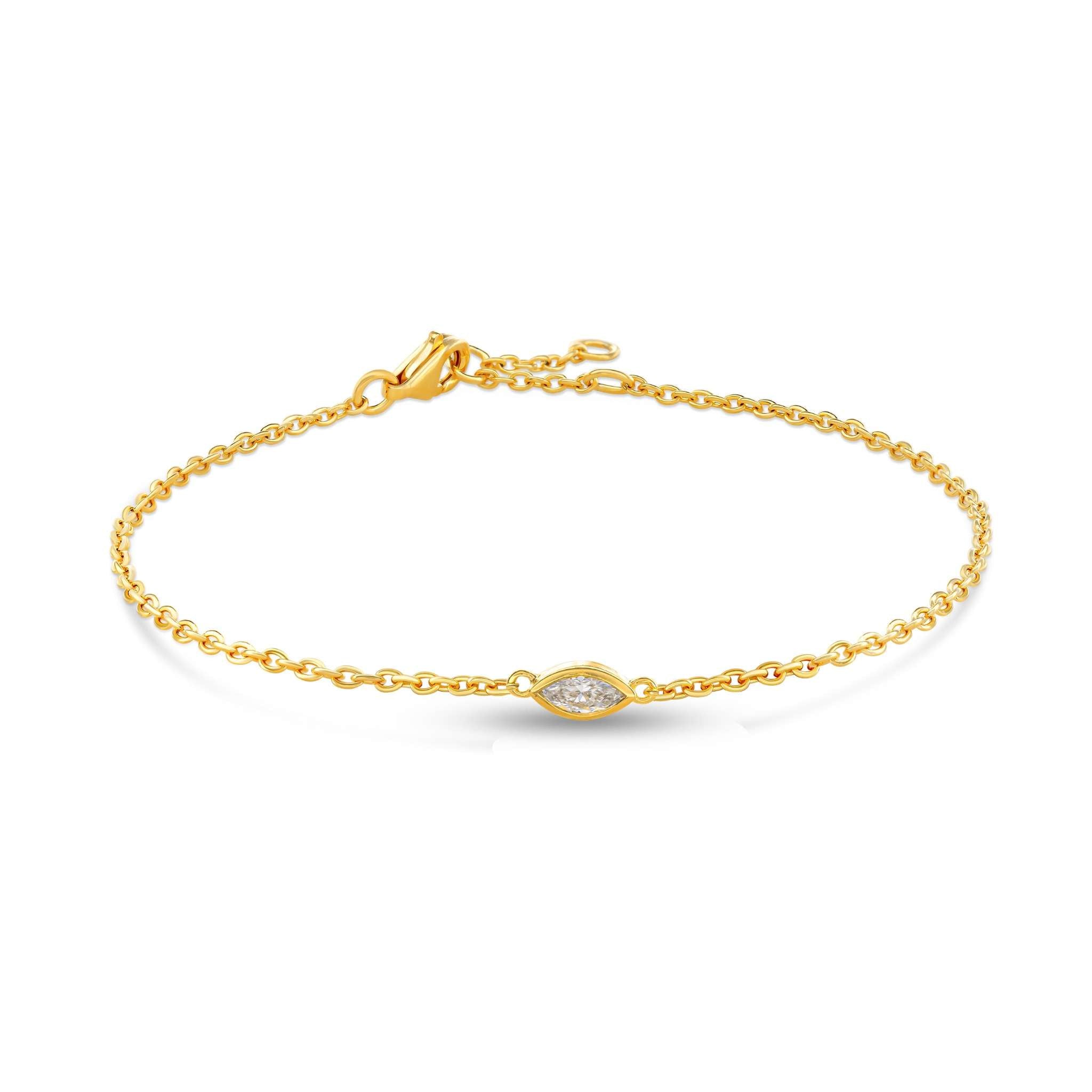
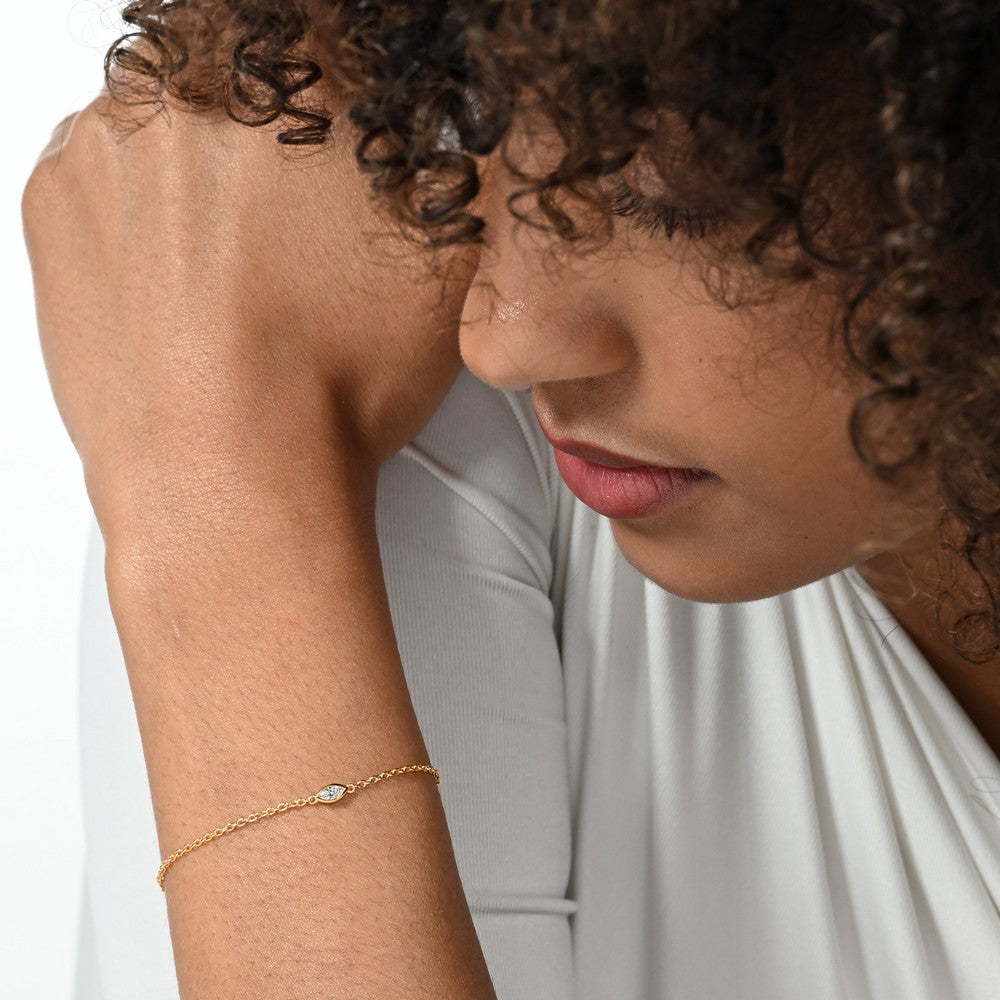
This is exactly why lab-grown diamonds have found a place in everyday diamond jewelry: you get the same quality and lasting brilliance as a natural diamond, at a price point that makes sense for a piece you'll wear constantly rather than save for special occasions.

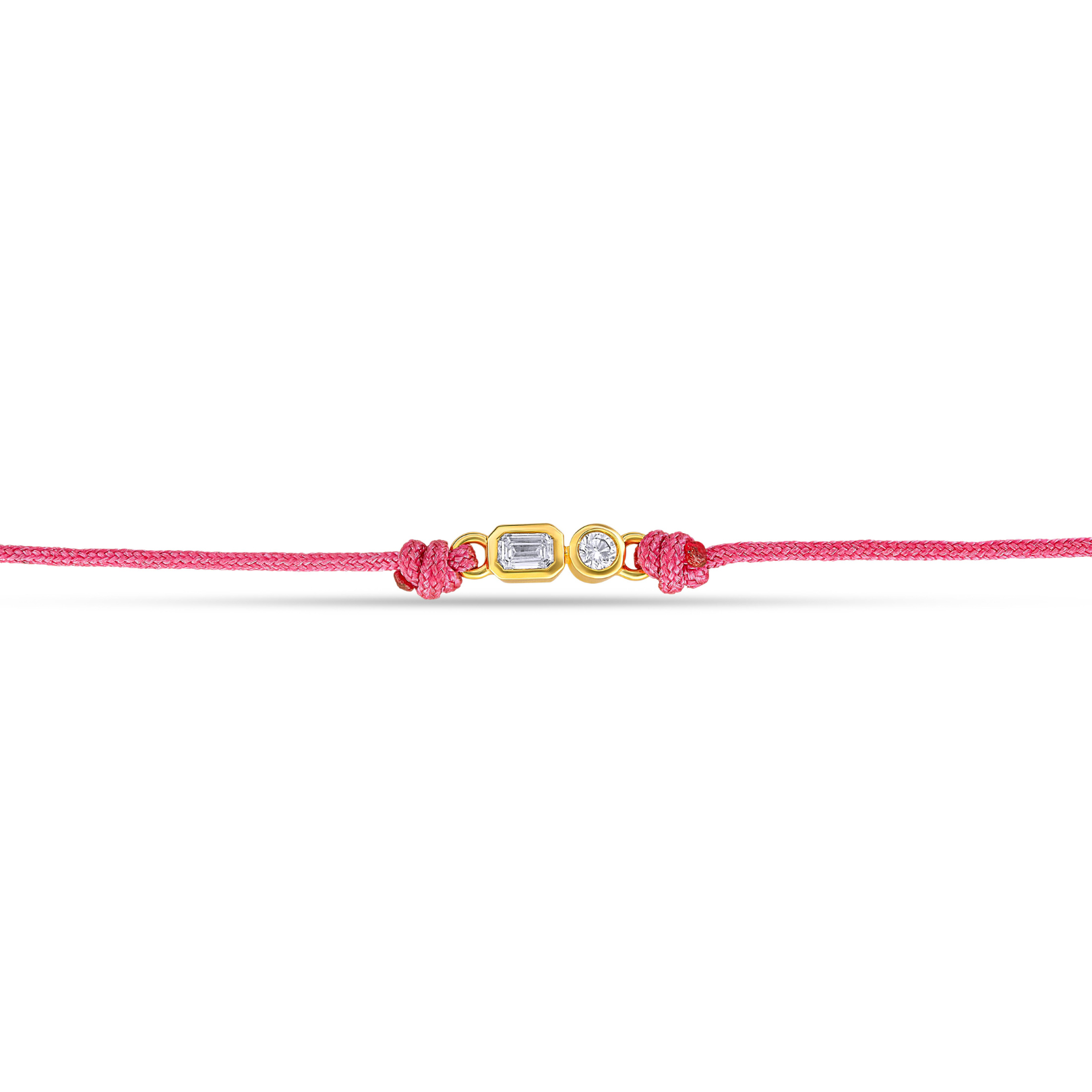
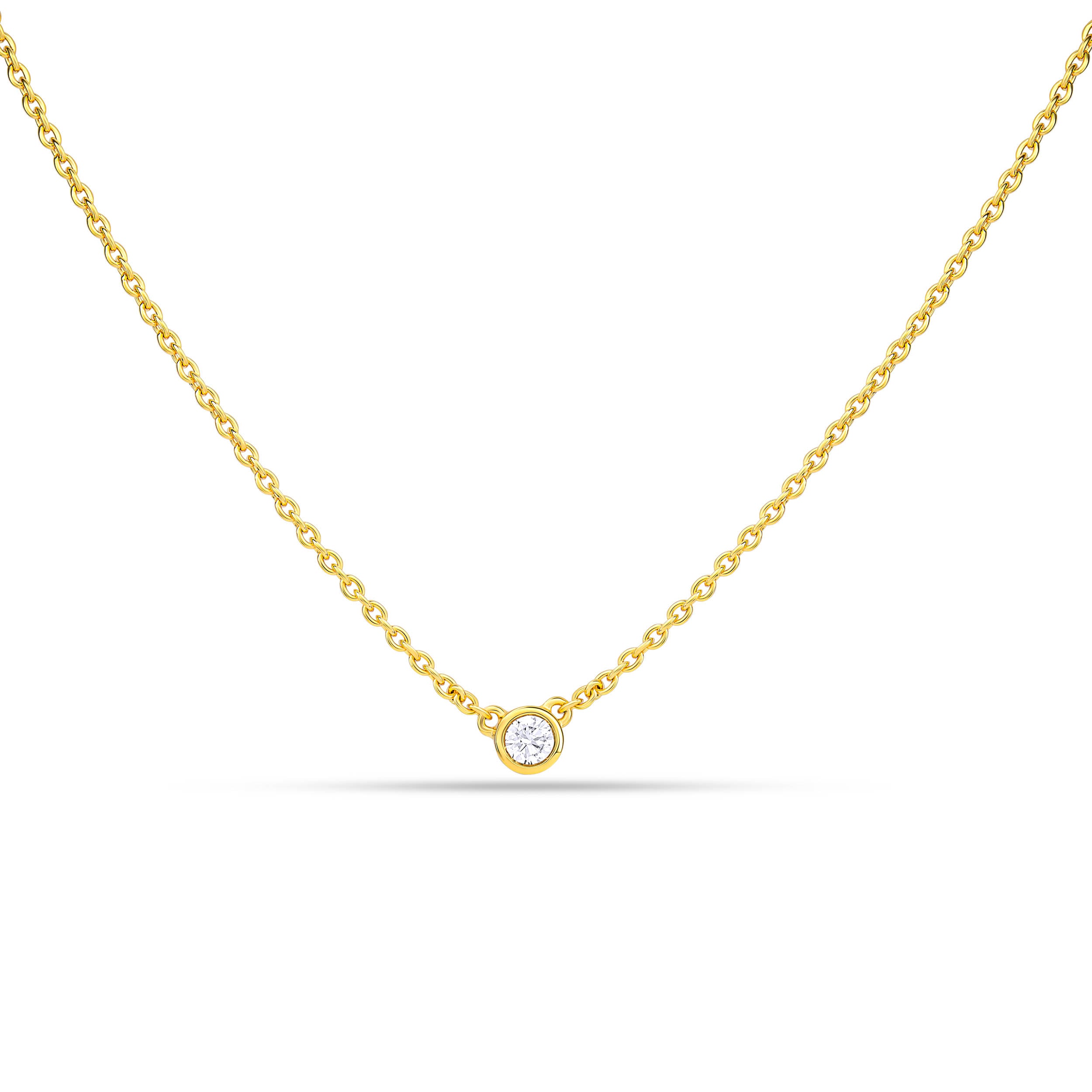
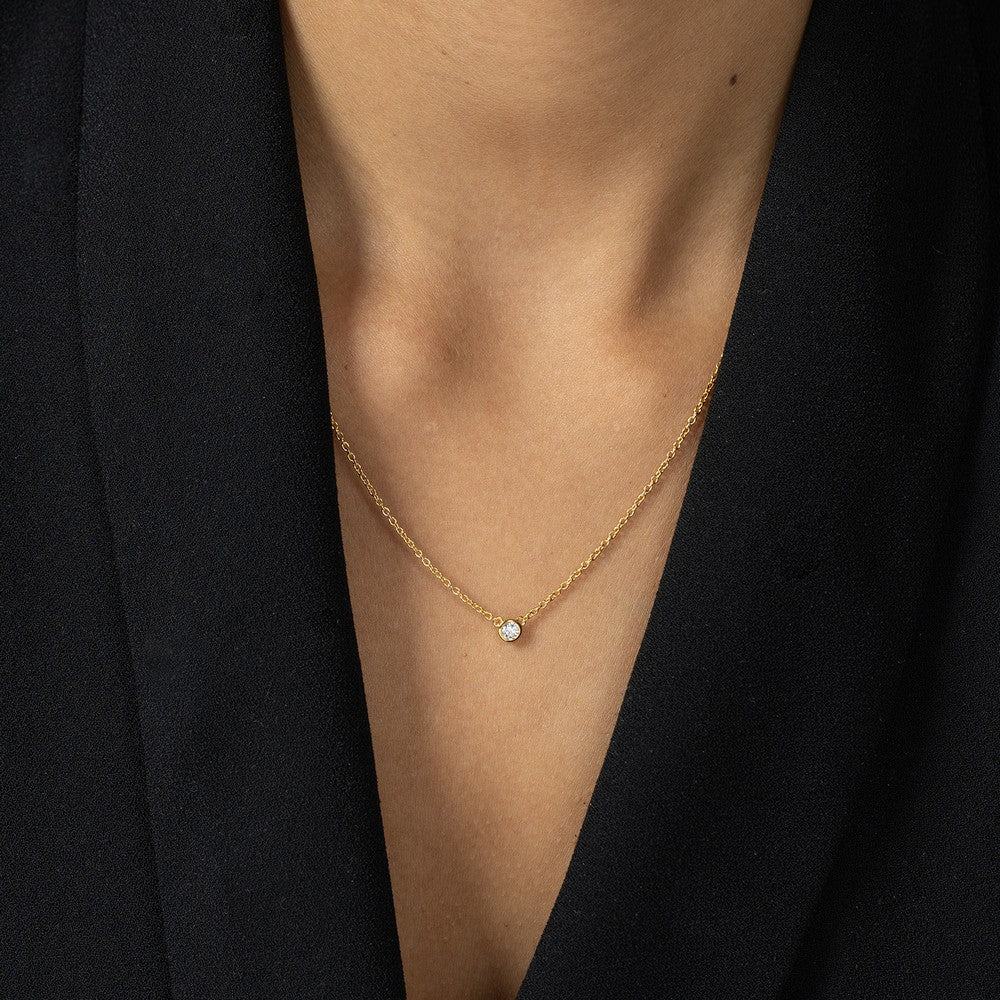
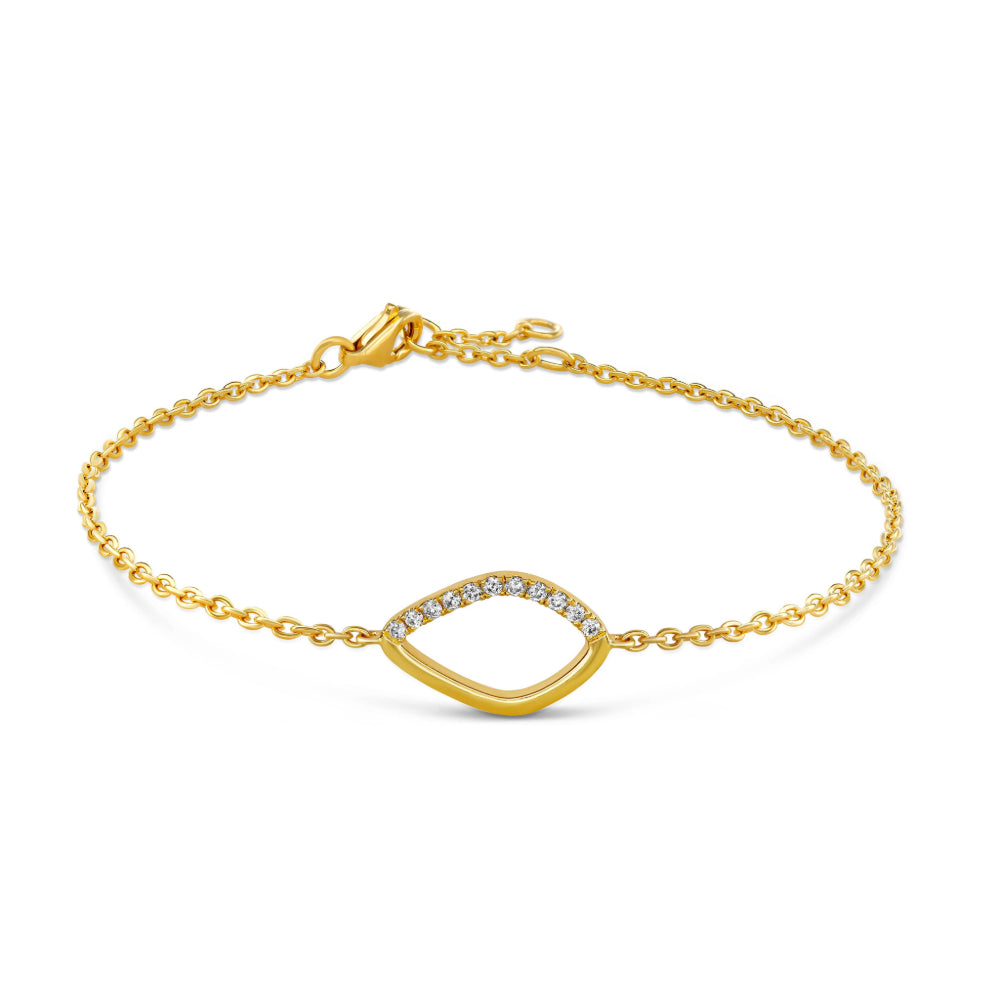
Discover Lab-Grown Diamond Jewelry at amadia – young diamonds
At amadia – young diamonds, we believe beautiful jewelry should be genuine, contemporary, and accessible.
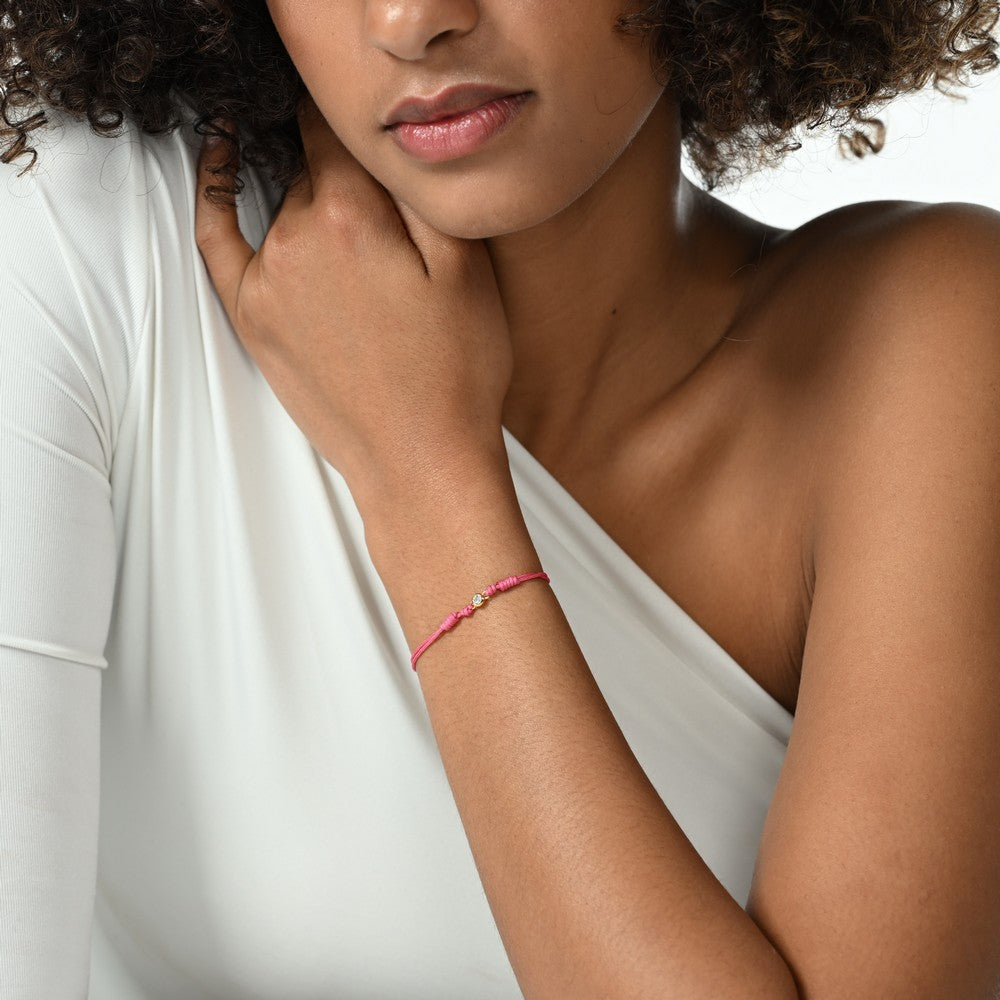
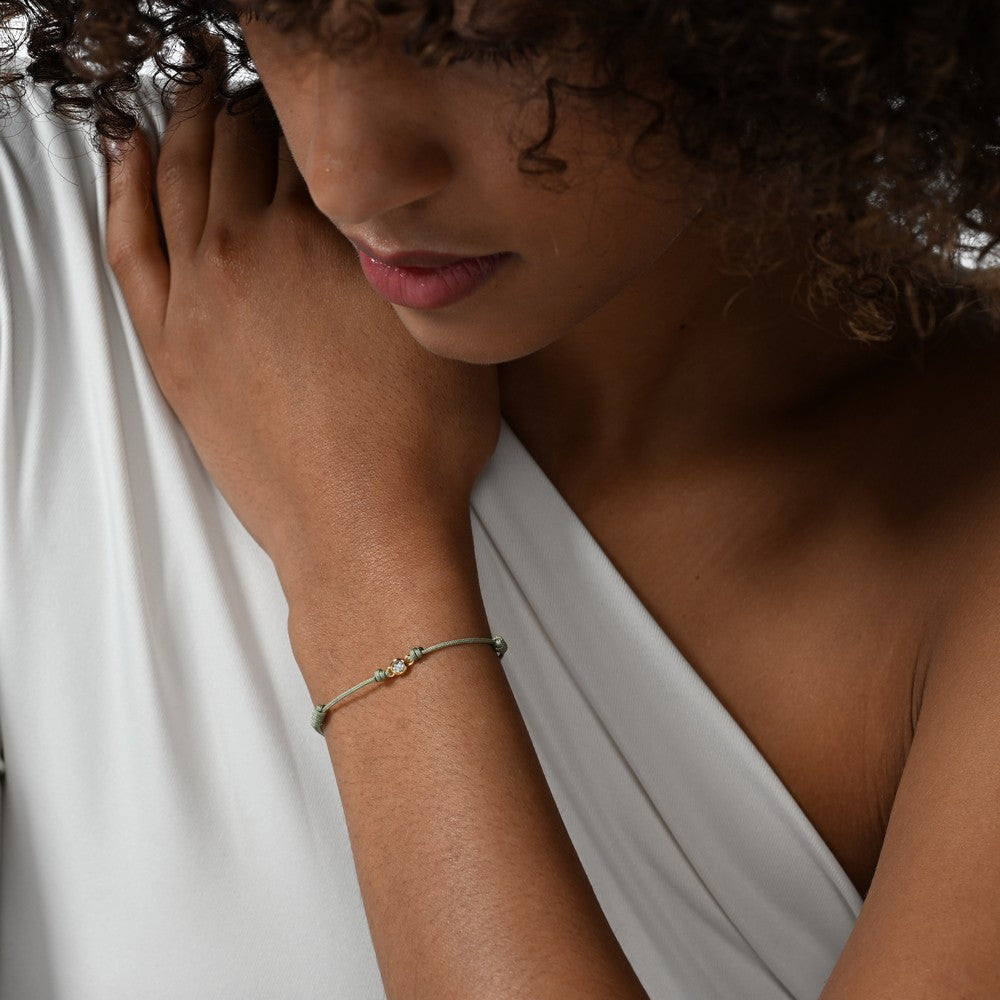
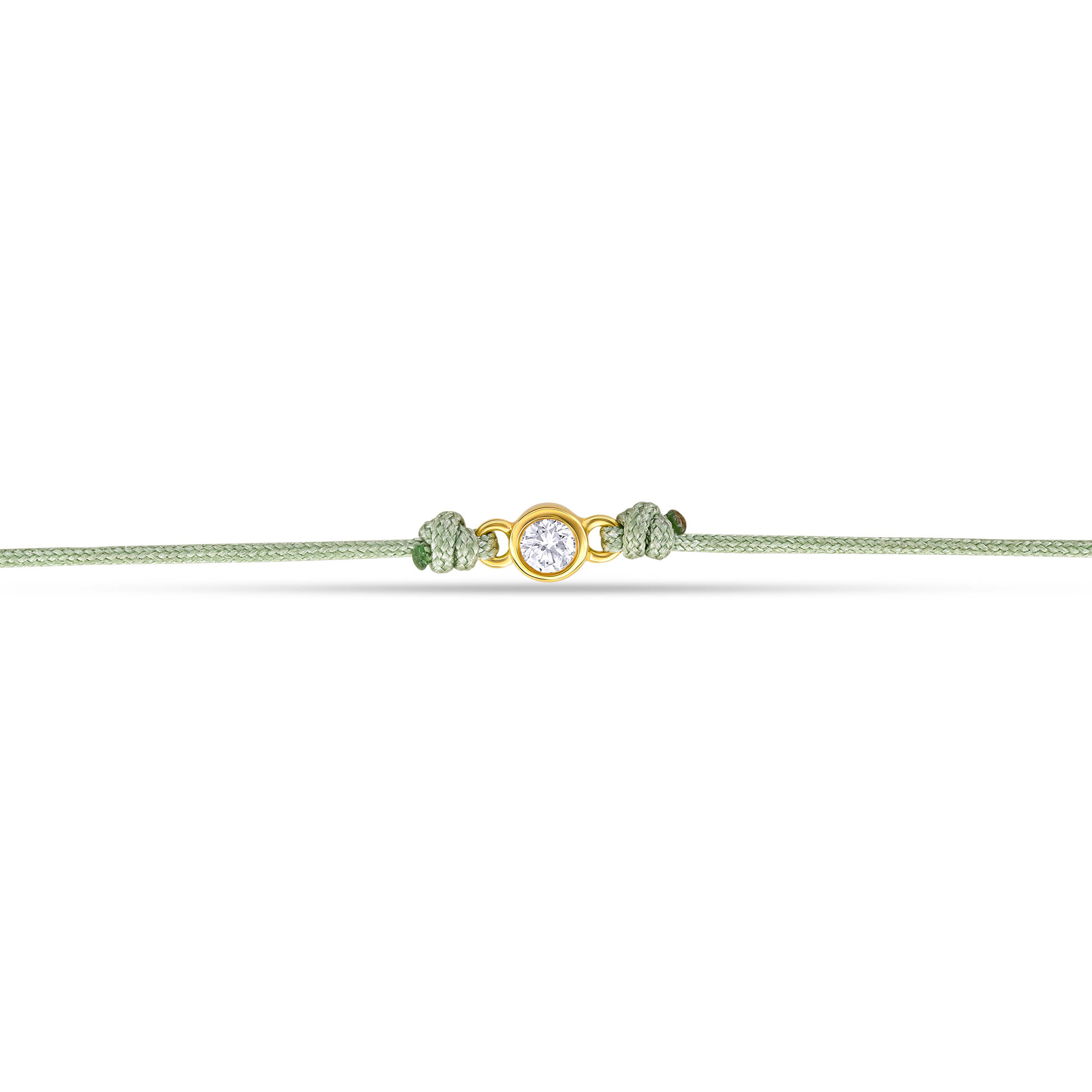
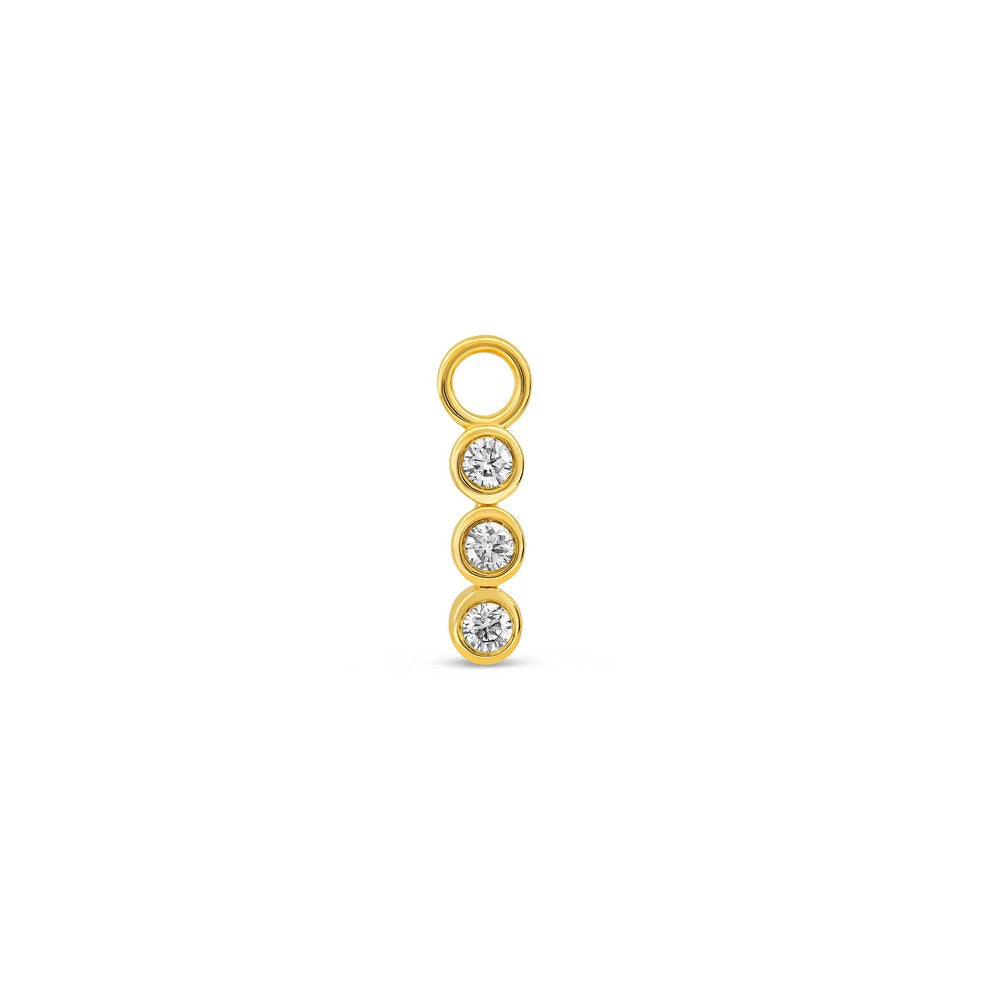
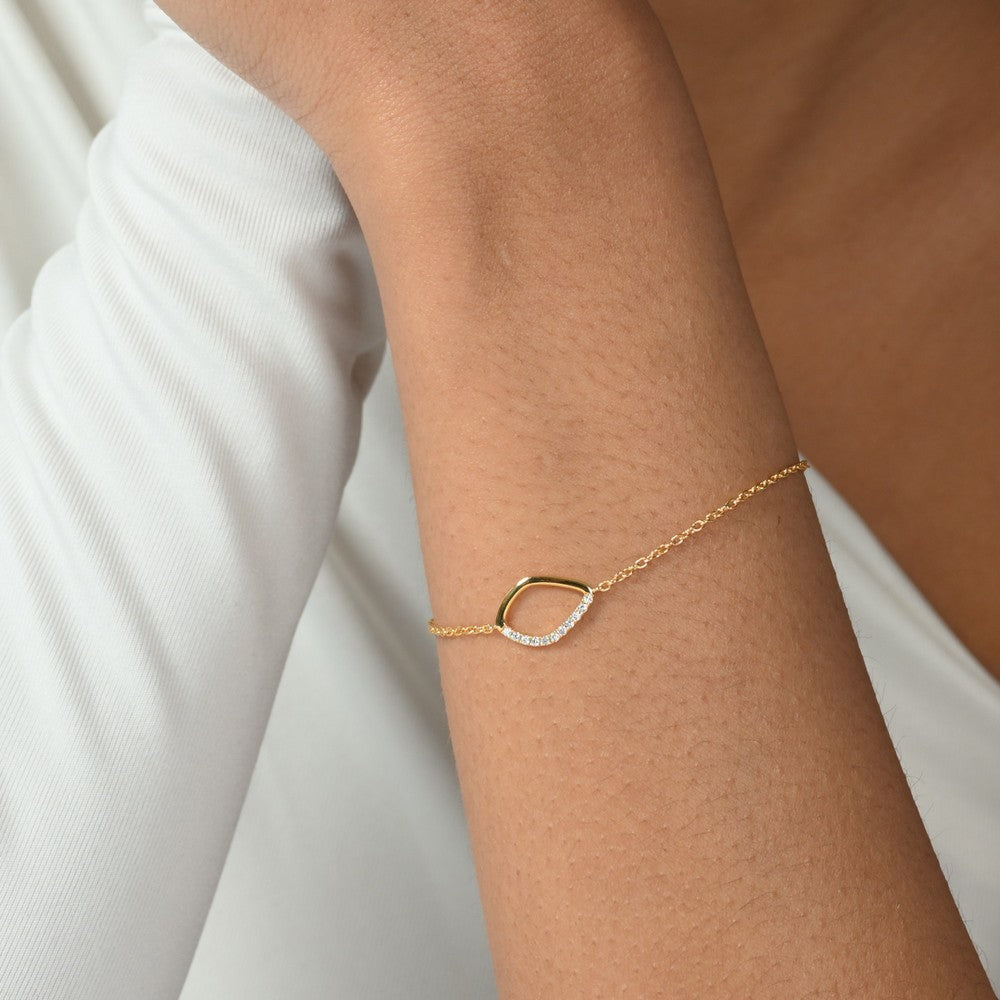
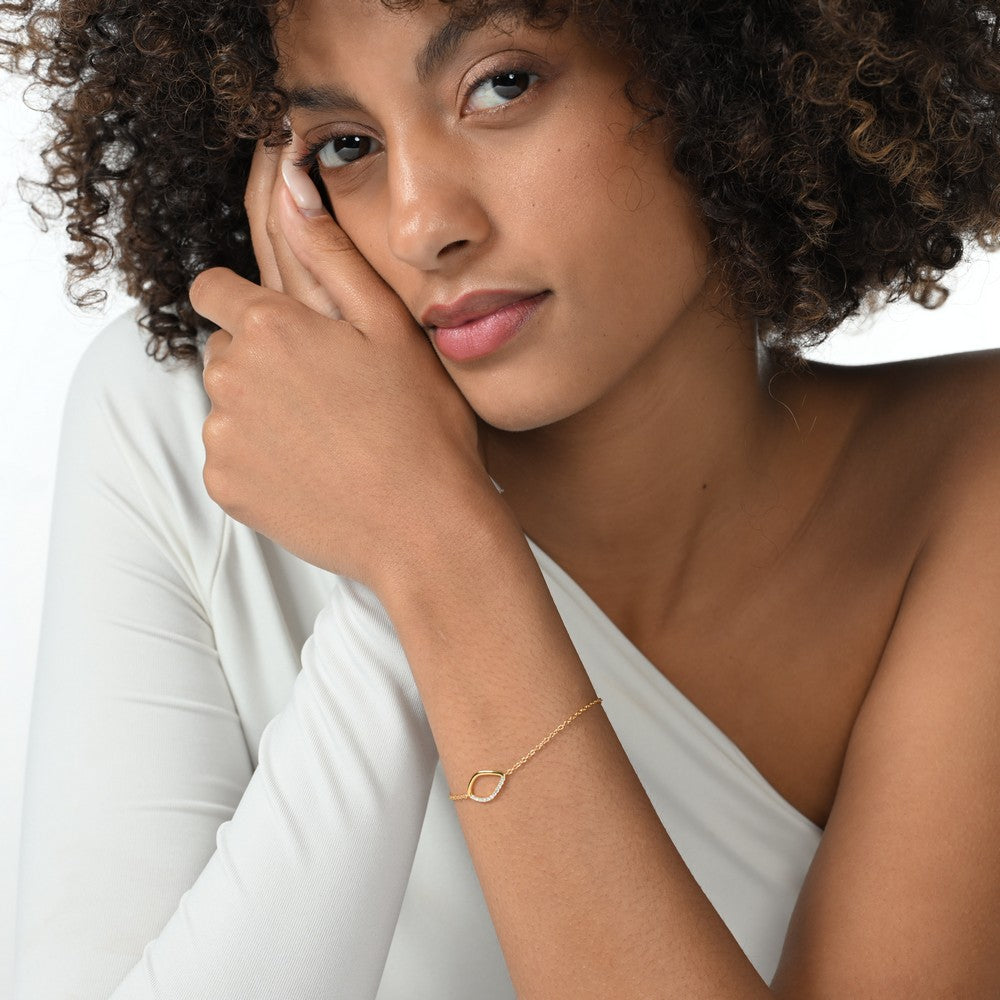
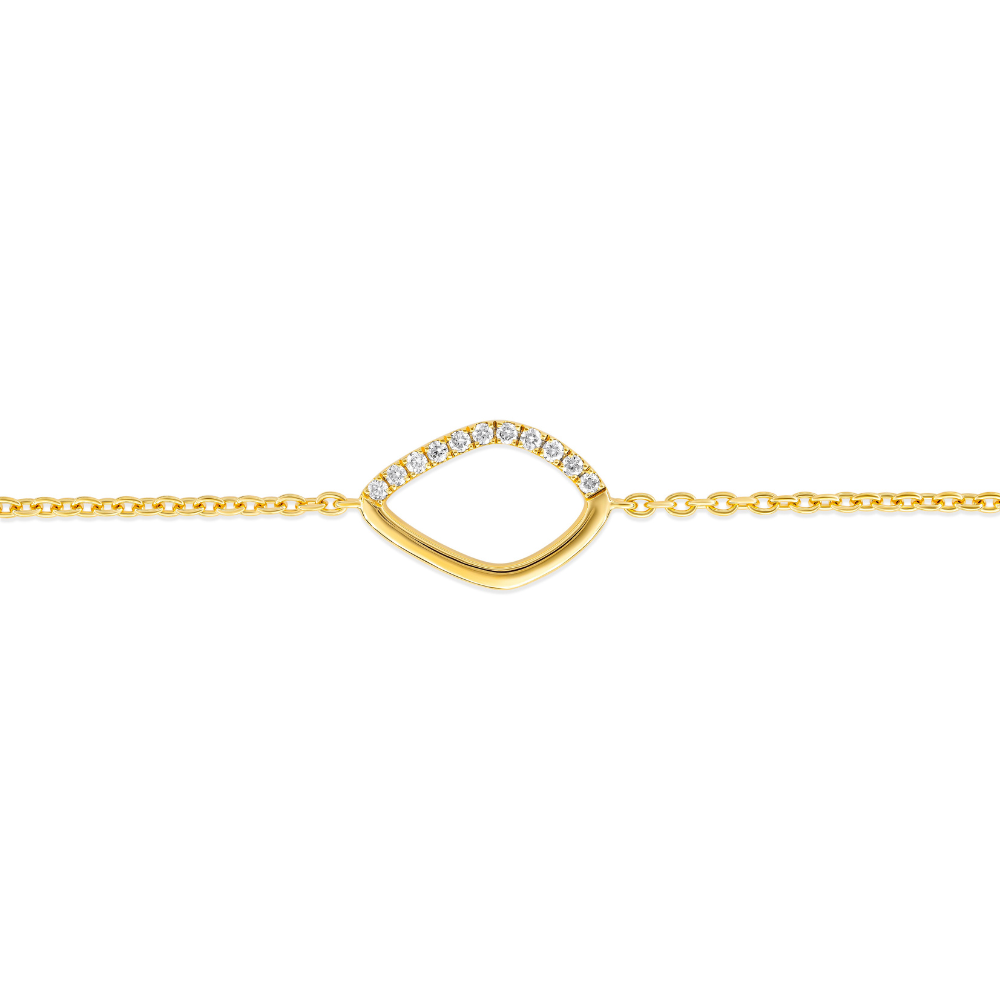
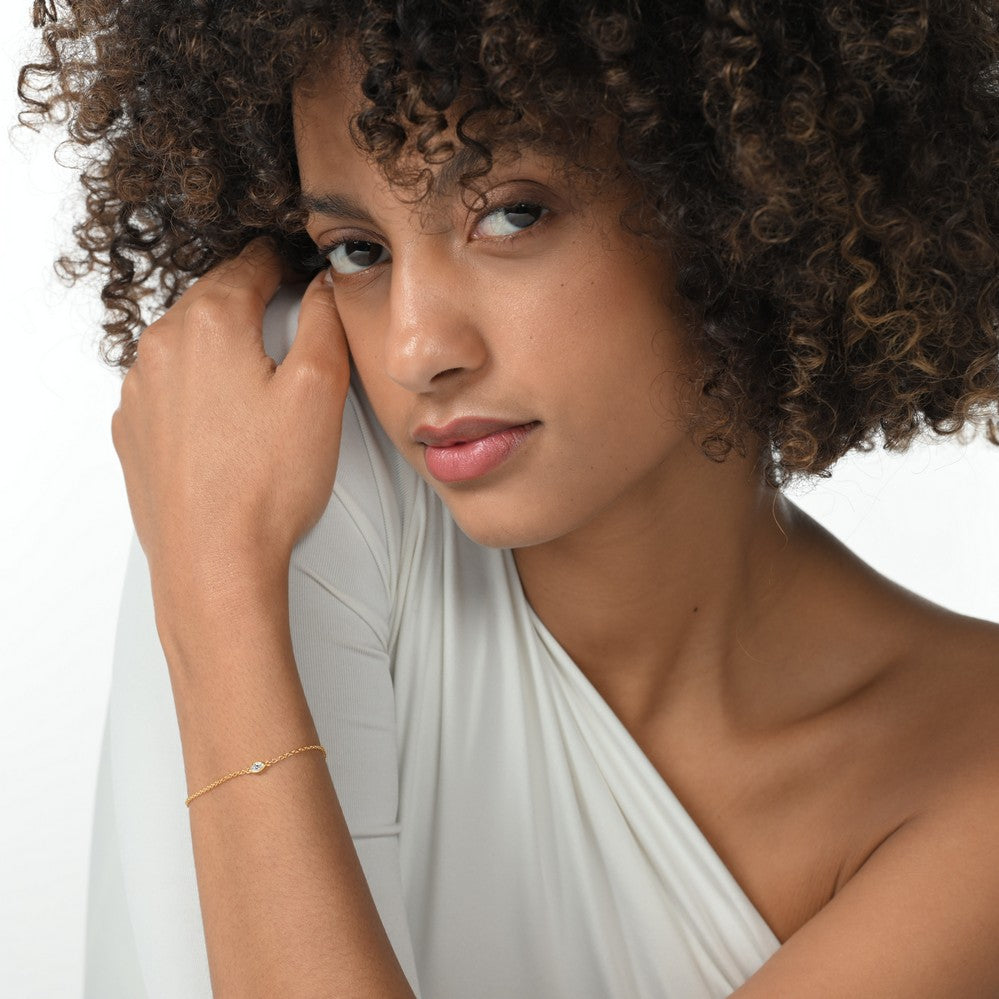
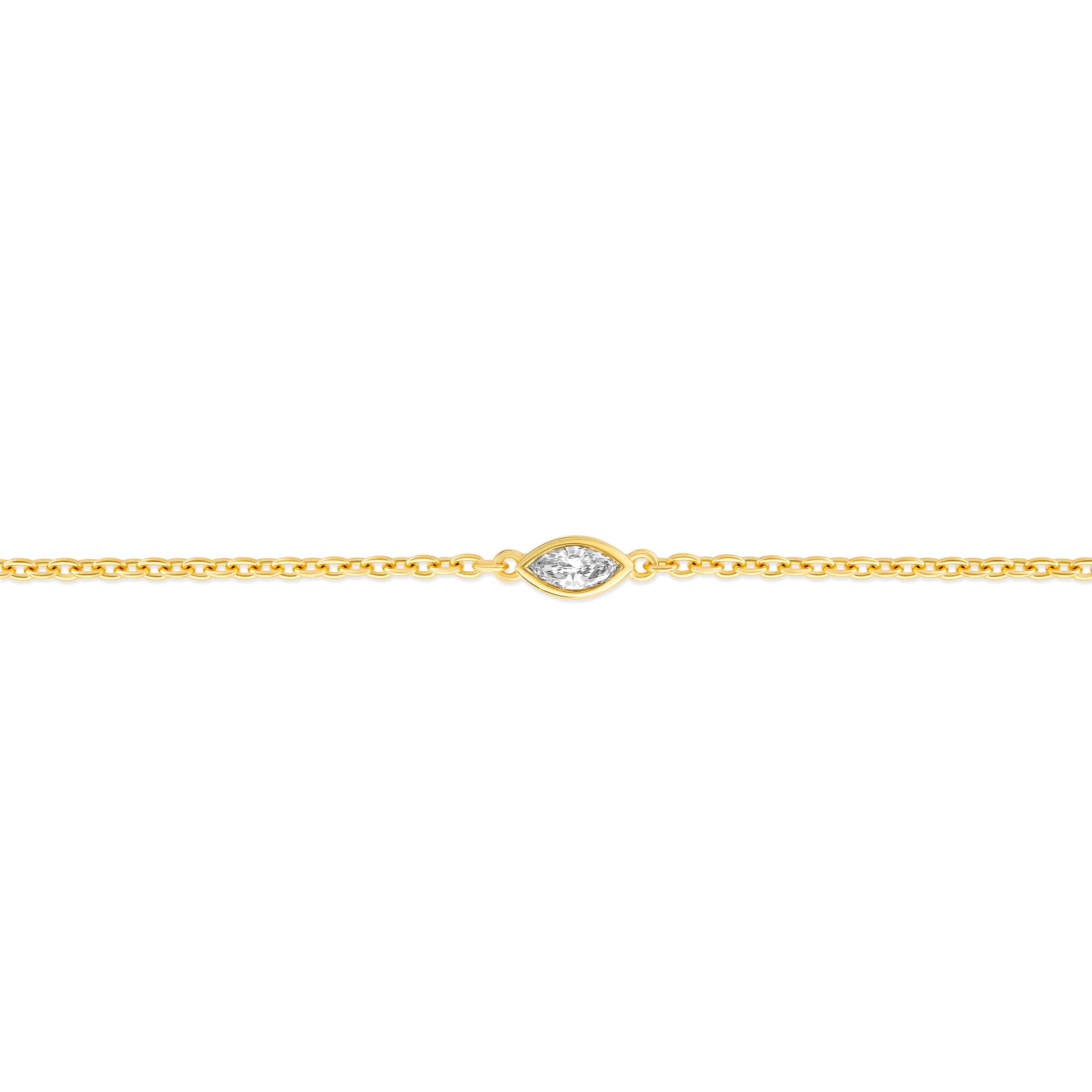
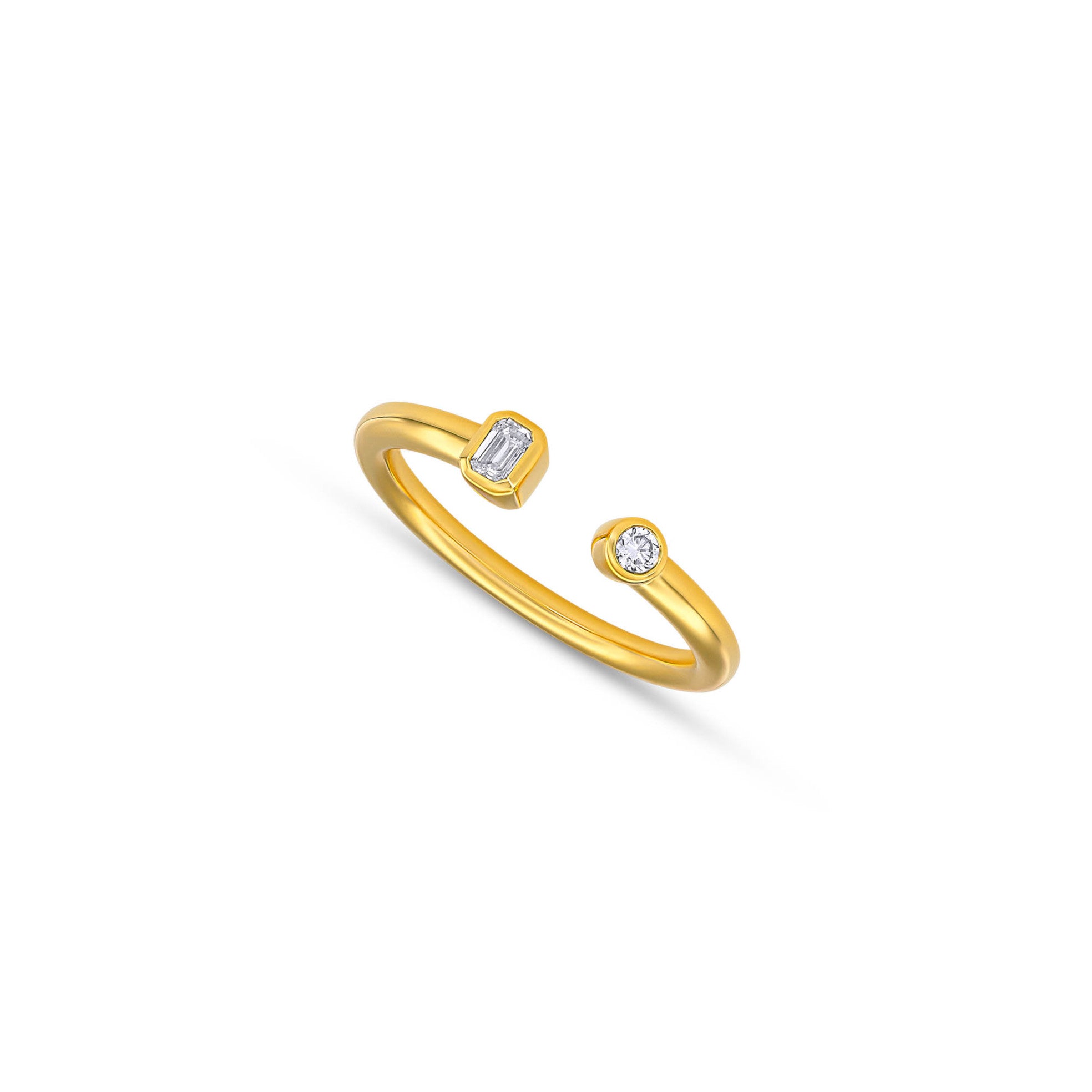
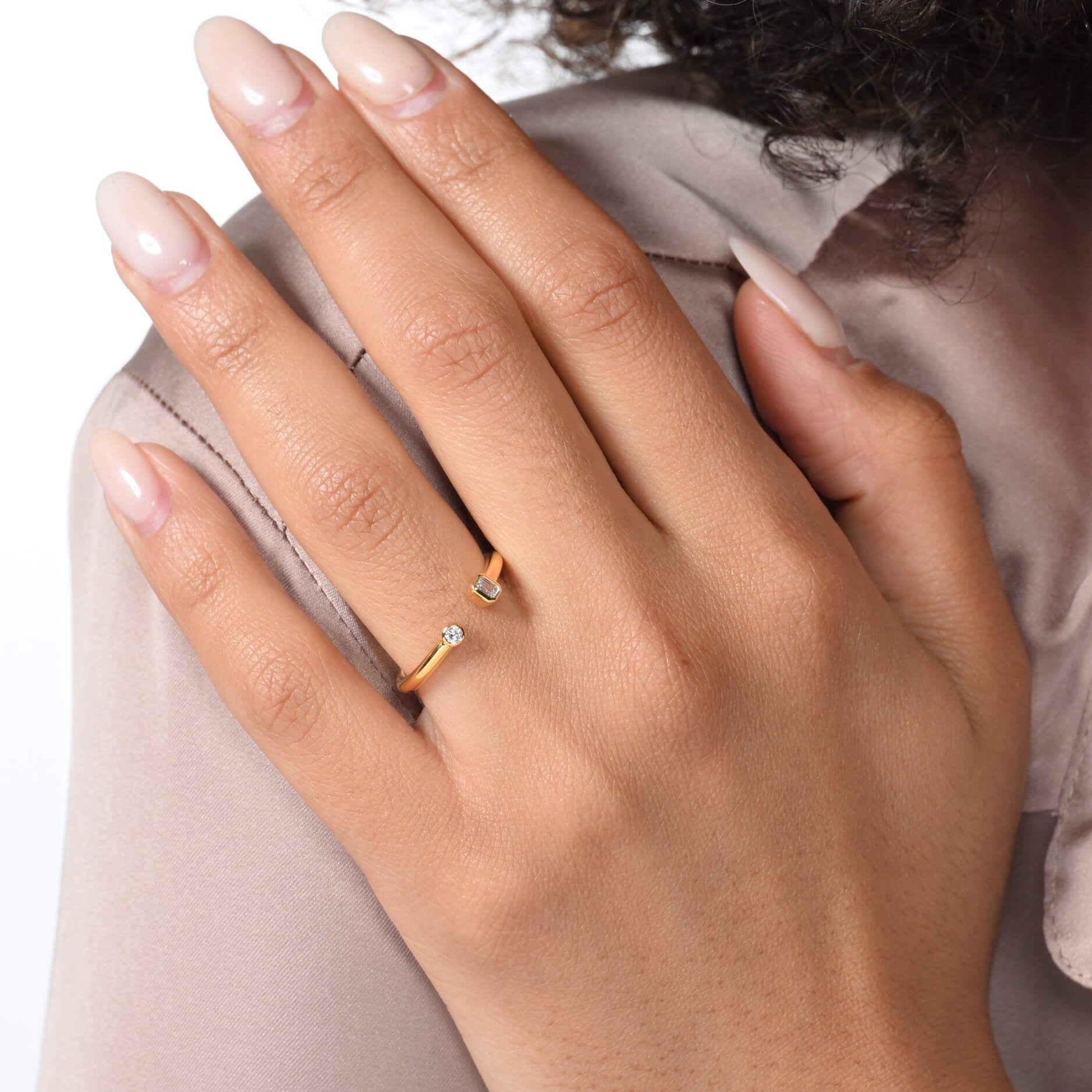
That's why every piece in our collection features 100% genuine lab-grown diamonds, thoughtfully set in recycled 925 sterling silver with a premium 18K gold-plated finish. You get the brilliance and durability of a real diamond, combined with modern, minimal designs created for everyday wear—without the traditional fine jewelry price tag.
Whether you're looking for your first diamond piece, an everyday touch of sparkle, or a statement design that reflects your personality, our collections are made to fit your style—not outdated expectations.
Because modern luxury isn't about spending more.
It's about wearing jewelry that fits your life.
Ready to see it for yourself? Browse our lab-grown diamond
bracelets — earrings — necklaces — pendants — rings
Frequently Asked Questions
Is a lab-grown diamond a real diamond?
Yes. It has identical chemical composition, crystal structure, and hardness to a natural diamond. The only difference is where and how it formed.
Can you tell a lab diamond from a natural one by looking at it?
No — not even most jewelers can, without specialized lab equipment that detects microscopic growth patterns.
Is moissanite better than cubic zirconia?
For everyday wear, yes — moissanite is harder (9.25 vs 8–8.5 Mohs) and holds its clarity far longer. Cubic zirconia tends to cloud or scratch within a year or two of regular wear.
Why are lab-grown diamonds so much cheaper than natural ones?
The stone itself is chemically identical, so the price difference reflects the cost and time of natural extraction and rarity — not a difference in quality or durability.