



How do you actually know what you're buying when you choose a diamond? Whether a stone is natural or lab-grown, its quality is measured against internationally recognized criteria, and independent gemological laboratories help you understand what makes each diamond unique.
In this guide, we walk you through the 4Cs, the best-known grading labs, how their reports differ, and why independent certification is worth caring about when you buy diamonds or diamond jewelry.
What Is Diamond Grading?
Diamond grading is a professional assessment of a stone's weight, color, clarity and cut. Trained graders examine each diamond under controlled conditions and record their findings in a grading report. That report gives jewelers and customers a shared language, so you can compare stones using the same criteria instead of relying on a seller's description alone.
One honest caveat: grading isn't an exact science. Some calls come down to expert judgment, and two labs can land on slightly different results for the same diamond.
The 4Cs: The Foundations of Diamond Quality
Carat, Color, Clarity and Cut. Together, the 4Cs are the globally recognized framework for describing a diamond.
1. Carat: How Much Does It Weigh?
Carat is a measure of weight, not size. One carat equals 0.20 grams and is divided into 100 points, so a 0.50 ct diamond weighs half a carat. Weight and size are still connected: the more a diamond weighs, the bigger it is. A 0.50 ct round diamond measures about 5.2 mm across, a 1.00 ct about 6.5 mm and a 2.00 ct about 8.2 mm.
The relationship isn't a straight line, though. Doubling the weight from 1.00 ct to 2.00 ct adds only about 1.7 mm to the diameter. And two diamonds with the same carat weight can look different in size, because their shape and proportions change how much of the stone you see from above. Carat weight affects price too, but it tells you very little on its own.

Size chart (diamonds are not shown at actual size, and real measurements may vary slightly with cut and proportions
2. Color: How Colorless Is It?
Color is graded on a scale from D (colorless) to Z (light yellow, light brown or light gray):
- D–F: Colorless
- G–J: Near colorless
- K–M: Faint color
- N–R: Very light color
- S-Z: Light Color
The closer to D, the less color you'll see, though the differences can be very subtle. The same scale applies to natural and lab-grown diamonds. Fancy-colored stones, such as pink, blue or yellow, follow different criteria.

Diamond Color Scale
3. Clarity: What's Inside?
Clarity describes the tiny natural characteristics of a diamond: inclusions on the inside and blemishes on the surface. The scale runs from Flawless to Included:
- FL/IF: Flawless or Internally Flawless
- VVS1–VVS2: Very, Very Slightly Included
- VS1–VS2: Very Slightly Included
- SI1–SI2: Slightly Included
- I1–I3: Included
Graders look at the size, number, position and visibility of these characteristics, generally under 10× magnification. A lower grade doesn't automatically mean a less beautiful diamond: many inclusions can't be seen without magnification, so how the stone looks to the naked eye matters just as much.

Diamond Clarity Scale
4. Cut: Where the Sparkle Comes From
Cut is about how well a diamond's proportions and facets work with light. It has a huge influence on brilliance (white light), fire (flashes of color) and scintillation (the sparkle you see as the diamond moves). A well-cut diamond can look livelier than a poorly cut one with the very same weight and color grade.
For round brilliant diamonds, cut grades typically run from Ideal or Excellent to Poor, depending on the lab. Cut is not the same as shape: round, oval, pear, princess and emerald are shapes, and not every lab applies the same cut-grade system to every shape.

Which Laboratories Grade Diamonds?
Several independent labs issue grading reports. Three of the best known are GIA, IGI and HRD Antwerp.
GIA: Gemological Institute of America
Founded in 1931, GIA is a leading research and education institution and the creator of the modern 4Cs system. It is especially well regarded for grading natural diamonds. GIA examines lab-grown diamonds too: for colorless to near-colorless stones it uses a quality-assessment approach of its own, while other report types offer more detailed grading information.
IGI: International Gemological Institute
IGI is a major international lab with a particularly strong presence in the lab-grown market. Its reports cover natural and lab-grown diamonds and typically document the 4Cs, measurements, identifying characteristics and the diamond's origin.
HRD (Hoge Raad voor Diamant) Antwerp
Based in Belgium, HRD Antwerp is an established European lab. It grades natural and lab-grown diamonds, and its reports pair a detailed 4Cs assessment with technical information such as measurements, proportions, polish and symmetry. They are widely used in the European diamond trade.
Are Grading Standards the Same Everywhere?
The 4Cs give everyone a common language, but they aren't applied identically everywhere. Labs differ in their methods and terminology, and color, clarity and cut all involve judgment. A diamond one lab calls VS1 might be VS2 at another, and neither result is automatically wrong. There's no reliable rule that one lab is always stricter than another.
Report types differ too: IGI and HRD Antwerp provide detailed 4Cs assessments for lab-grown diamonds, while GIA's approach for lab-grown diamonds differs from its traditional natural-diamond format. So whenever you can, compare diamonds using the same lab and comparable report types. A report is an expert assessment, not a promise that two diamonds with identical grades will look identical.
How to Read a Diamond Grading Report
A report holds more than the 4Cs. Depending on the lab and report type, you may find:
- Report number and date: Unique details that let you check the report.
- Diamond origin: Whether the stone is natural or lab-grown.
- Shape, cutting style and measurements: For example, round brilliant or emerald cut, with dimensions in millimeters.
- Carat weight, color, clarity and cut: The main quality assessments.
- Clarity plot: A diagram showing where inclusions and blemishes sit, where provided.
- Proportions, polish and symmetry: Extra information about craftsmanship.
- Fluorescence: How the diamond reacts to ultraviolet light, where assessed.
- Growth method and treatments: Additional details often included for lab-grown diamonds.
Some diamonds also carry a microscopic laser inscription on the girdle (the thin outer edge of the stone), usually the report number and, where relevant, a note that the stone is lab-grown. Always verify the report number on the issuing lab's official website, and check that the details match the diamond you're buying.
Natural vs. Lab-Grown: Is Grading Different?
Natural and lab-grown diamonds share the same chemical composition and crystal structure, and substantially the same optical and physical properties.
Both are graded for carat, color, clarity and cut, but labs must clearly state the origin, and the report format or methodology may vary. Lab-grown diamonds can also show growth-related characteristics and may have post-growth treatments, which specialist testing can identify.
Identical grades don't mean identical market value. Natural and lab diamonds follow different market dynamics, and prices can differ a lot. With lab-grown diamonds, high color and clarity grades are common, so strong grades across the board are often within reach. A lower price doesn't mean a lower-quality stone. It reflects how the diamond was made and how the market works, not a weaker diamond.
When Does Certification Matter?
An independent grading report brings transparency to a purchase. A third party has examined the stone, and the documented details can be checked against what the seller tells you. Testing also helps tell lab-grown diamonds apart from natural diamonds and from simulants such as cubic zirconia or moissanite.
This matters most for larger (and more expensive) stones. With a centerpiece diamond, the details of the 4Cs have a real effect on both appearance and price, so an independent assessment is worth having.
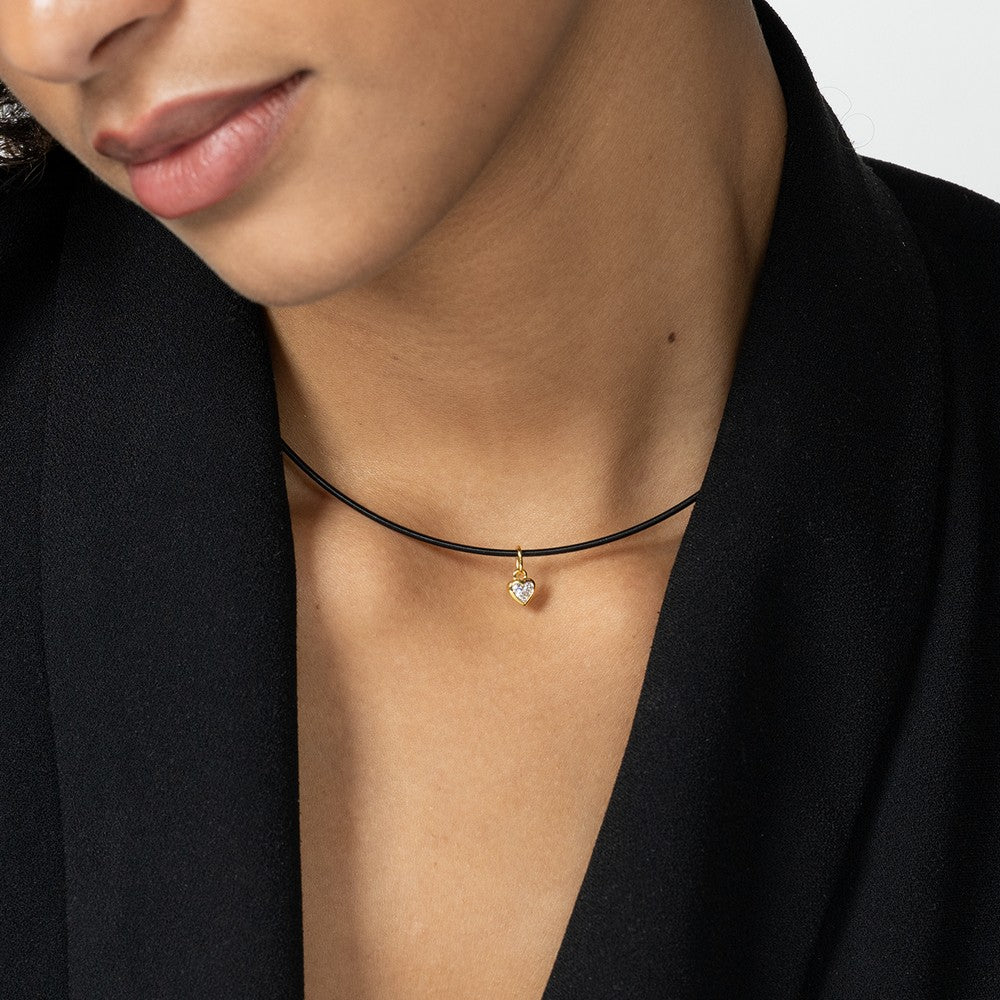
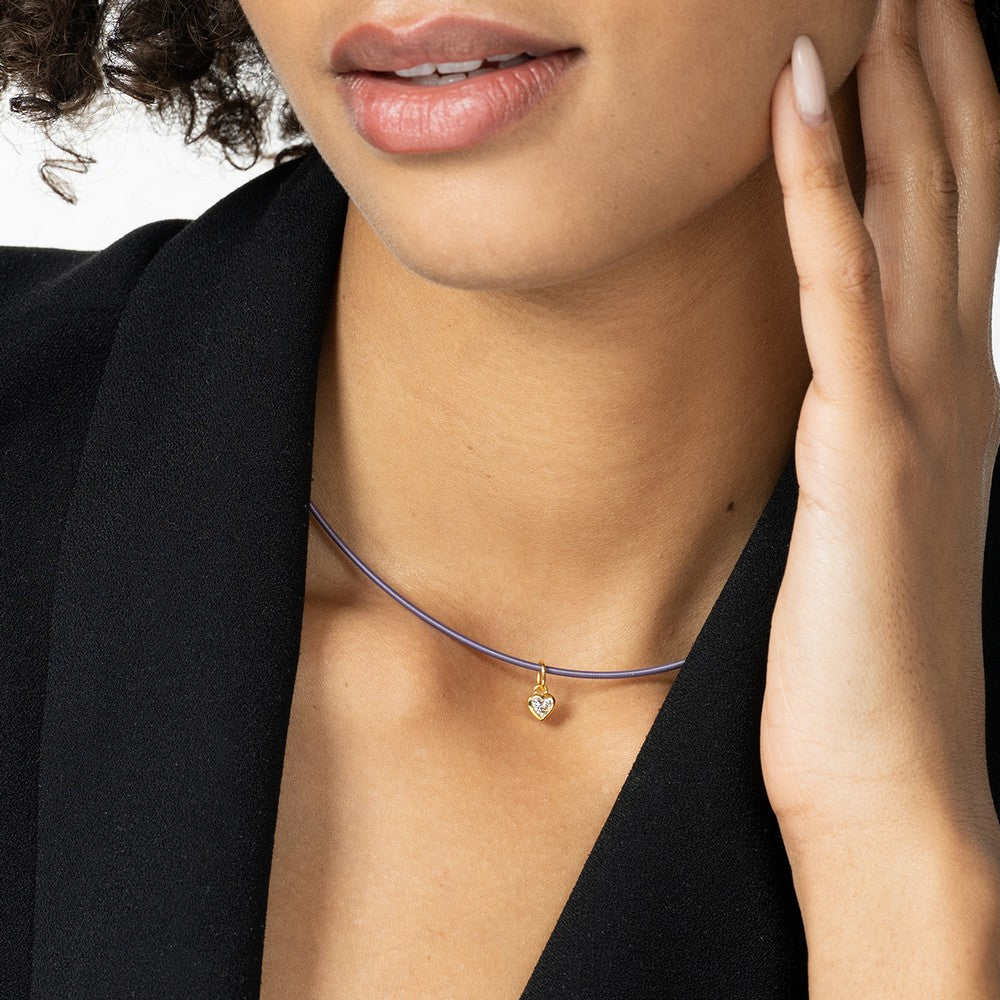
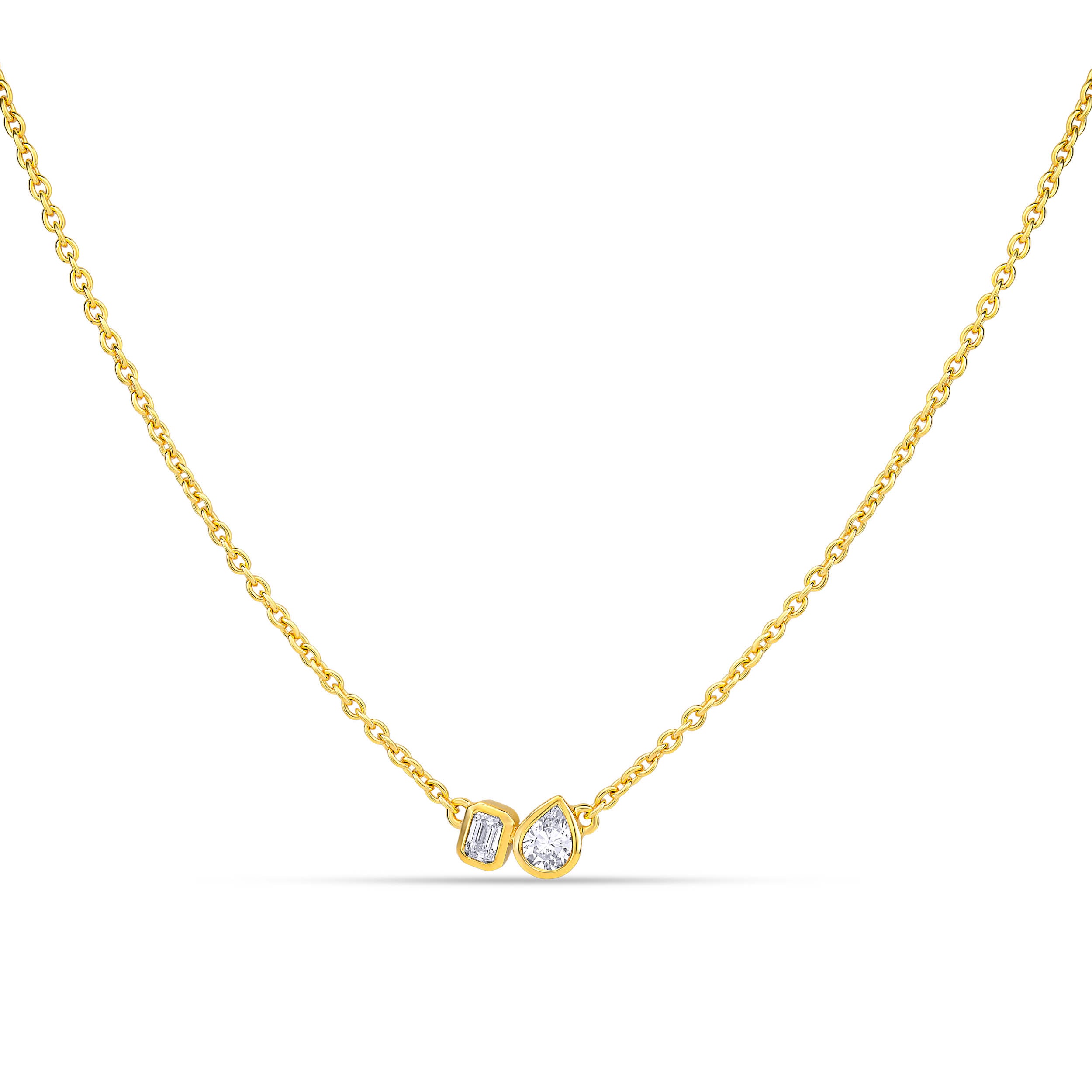
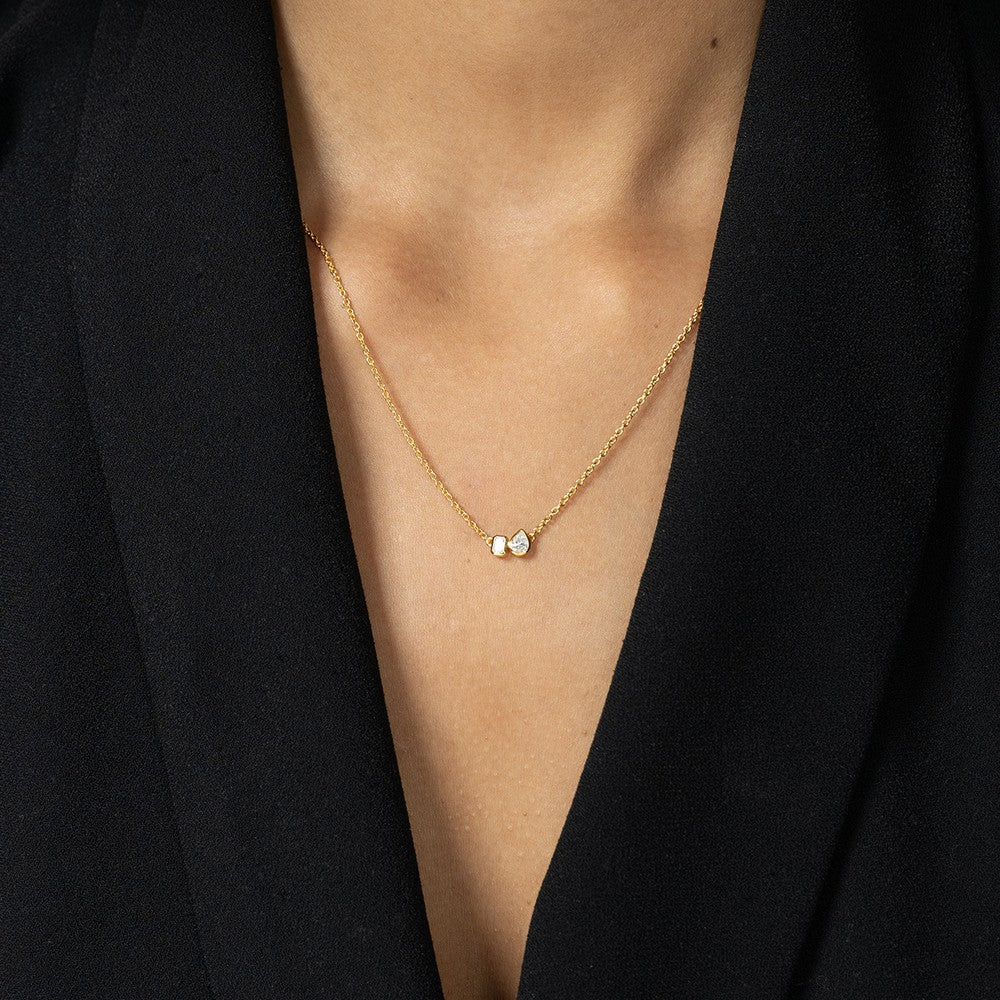
For small diamonds, like the accent stones in many jewelry pieces, it works differently. Grading every stone individually would raise the price of the piece disproportionately, so these diamonds are generally not graded one by one. Instead, clear documentation confirms what the stones are.
Just remember: a grading report is not a valuation. It doesn’t determine what a diamond is worth, guarantee its durability or promise a resale price.
How amadia Keeps Things Transparent
At amadia, we believe trust starts with knowing exactly what you're buying. We source our lab-grown diamonds from reliable partners who meet our quality standards, and every diamond and jewelry piece comes with documentation that fits the size of its stone.
Jewelry with diamonds of 0.50 carats and above comes with an independent grading report from IGI. A third party has assessed the stone's 4Cs and documented that it is lab-grown. Our Amara pendant with a 1.0 ct lab-grown diamond is one example.
Jewelry with smaller diamonds comes with an amadia authenticity card. It lists the details of the lab diamonds in your piece and confirms that they are lab-grown. We issue it ourselves, so it isn't a grading report. For the larger stones, where grades matter most, you get the independent one.
Looking for a stone on its own? Our collection of selected loose lab-grown diamonds comes with an independent IGI grading report, so you can see the 4Cs of the exact diamond you choose. Browse our loose lab diamonds.
Ready to explore the jewelry collection? Browse our lab-grown diamond
bracelets — earrings — necklaces — pendants — rings
Frequently Asked Questions
Are lab-grown diamonds graded the same way as natural diamonds?
Both are assessed for carat, color, clarity and cut. The lab must also state the diamond's origin, and the report format or methodology can differ between natural and lab-grown stones.
Which diamond grading lab is the best?
There is no single best lab. GIA, IGI and HRD Antwerp are all well-known and respected. Grades can differ slightly from lab to lab, so compare diamonds using the same lab and comparable report types where possible.
Does a higher grade always mean a better-looking diamond?
Not necessarily. Cut has the biggest influence on sparkle, and many inclusions can't be seen without magnification. The individual stone matters as much as its grades.
What is the difference between a diamond grading report and a valuation?
A grading report documents a diamond's characteristics following a laboratory assessment. A valuation estimates its monetary value for a particular purpose. A grading report is not a valuation and does not guarantee a purchase price or future resale value.
Which amadia diamonds come with a grading report?
Jewelry with diamonds of 0.50 carats and above comes with an independent grading report from IGI. Jewelry with smaller diamonds comes with an amadia authenticity card, which lists the details of the lab-grown diamonds and confirms that they are lab-grown. Our loose lab-grown diamonds come with an independent IGI grading report.