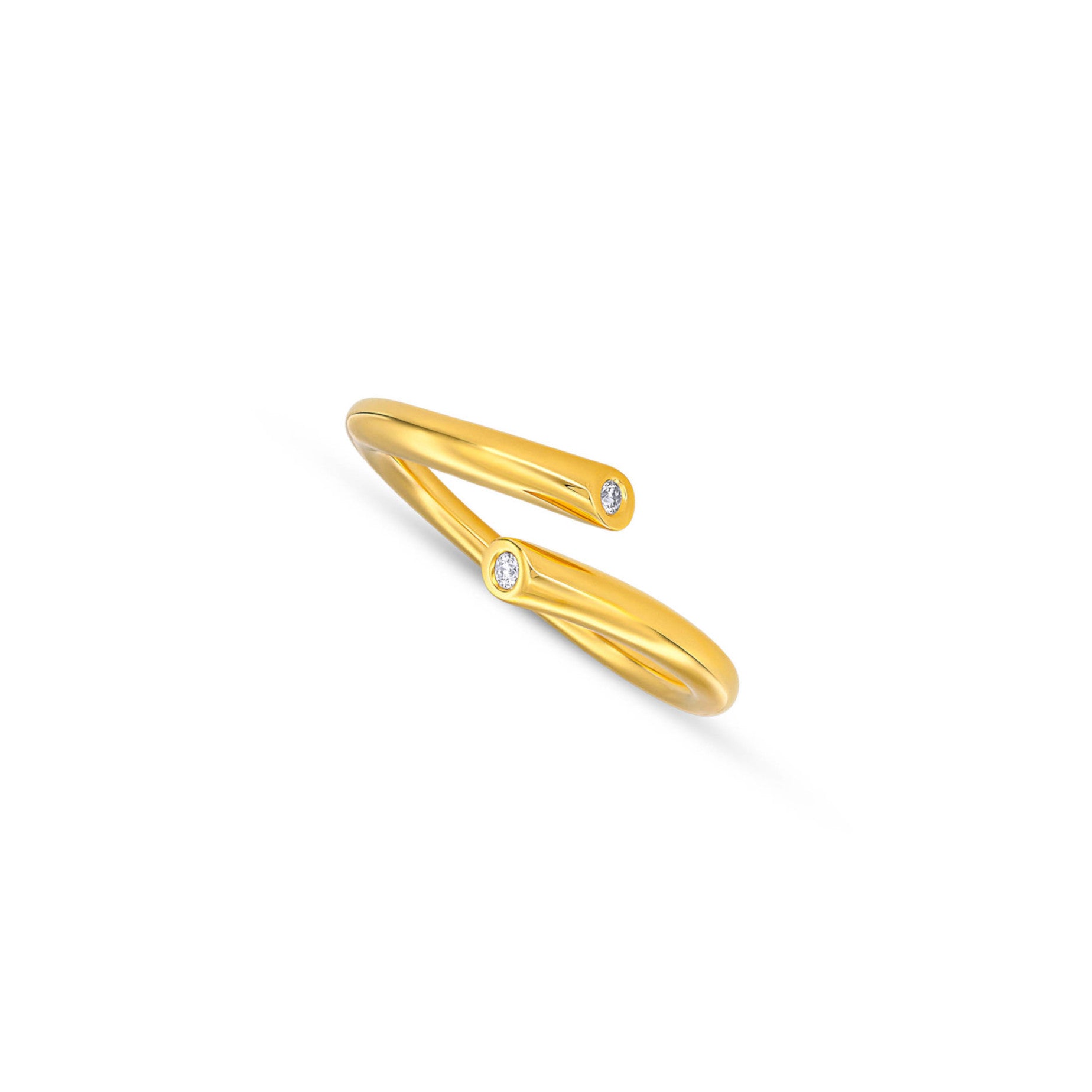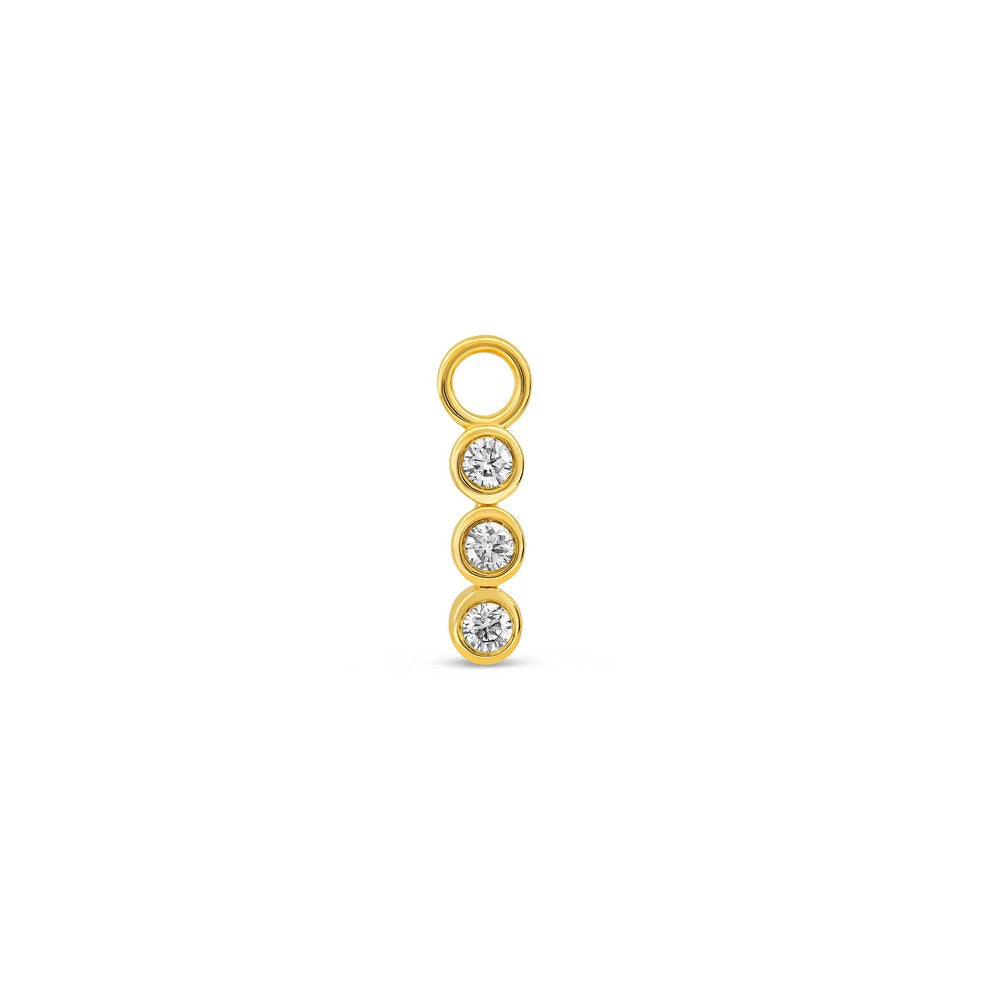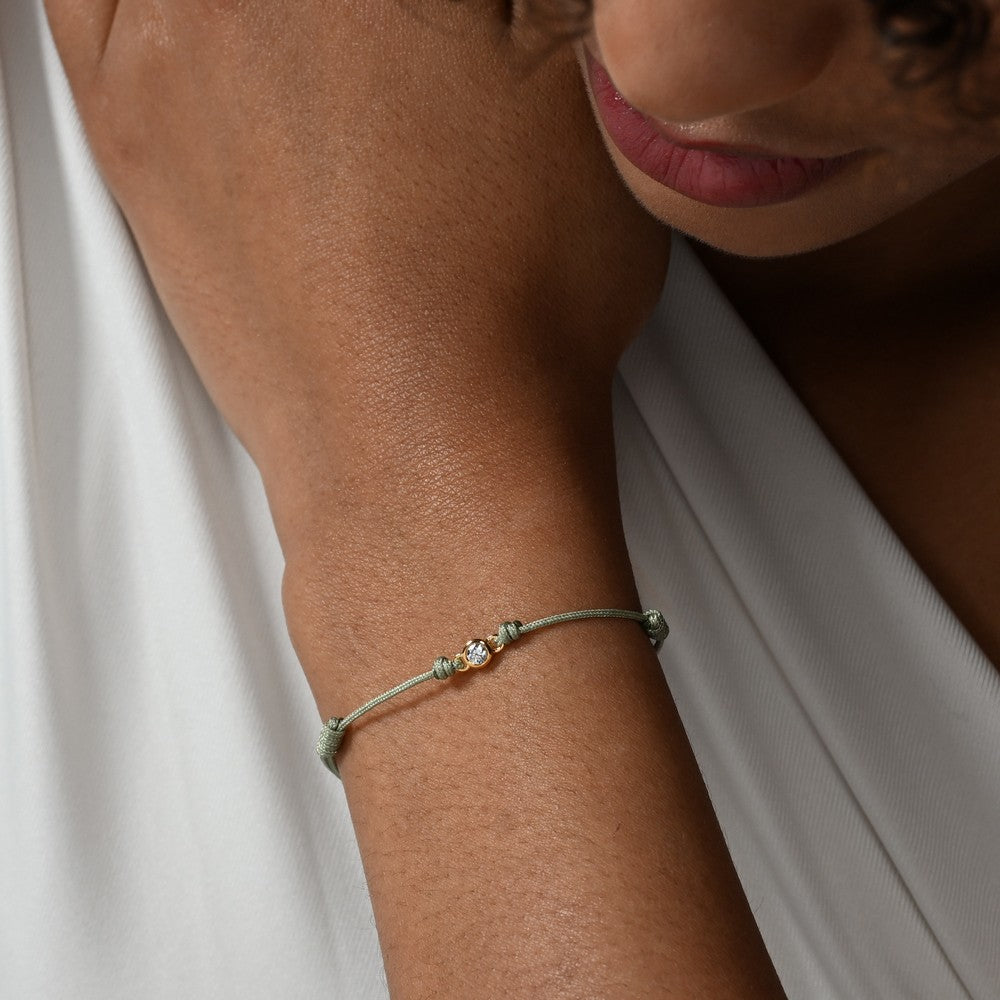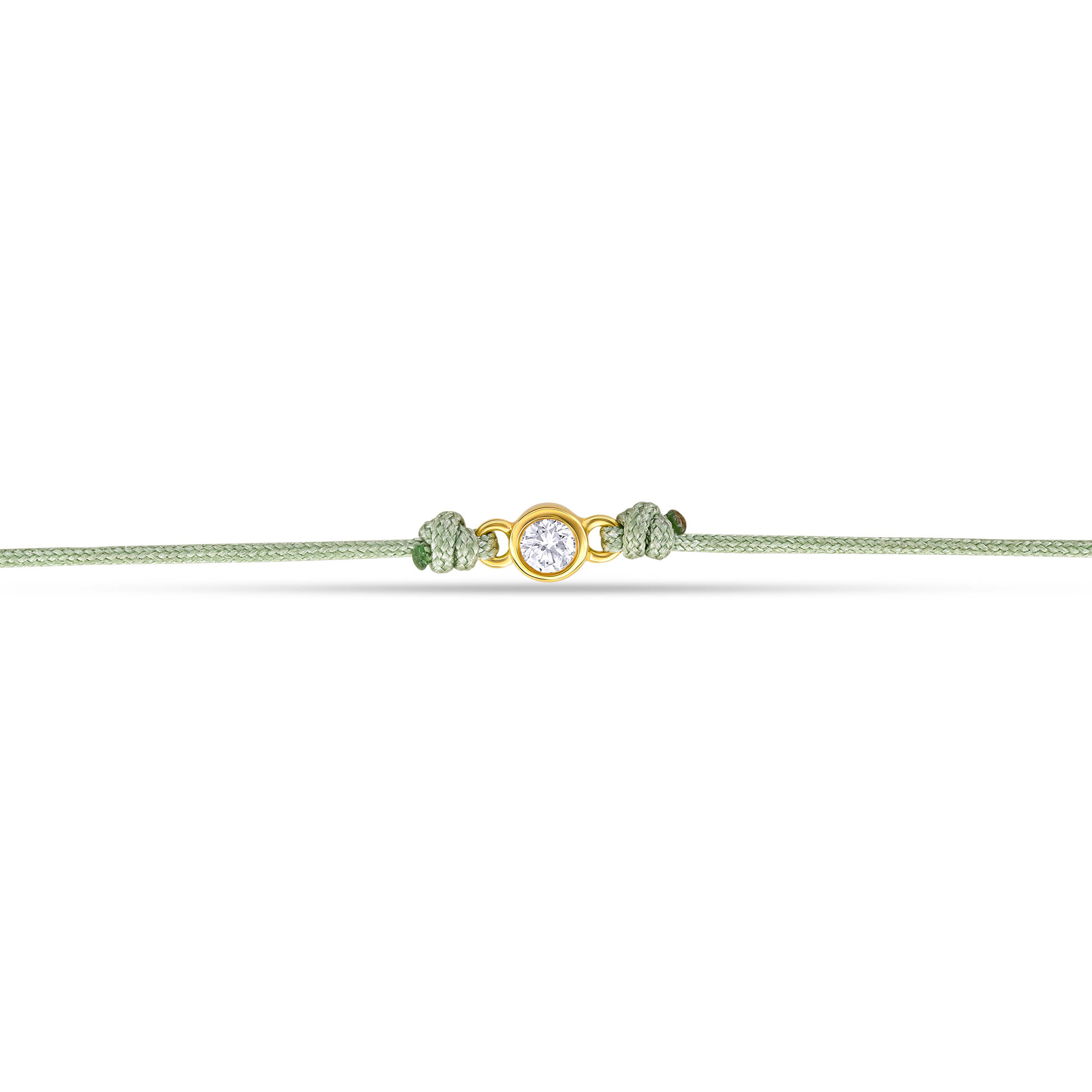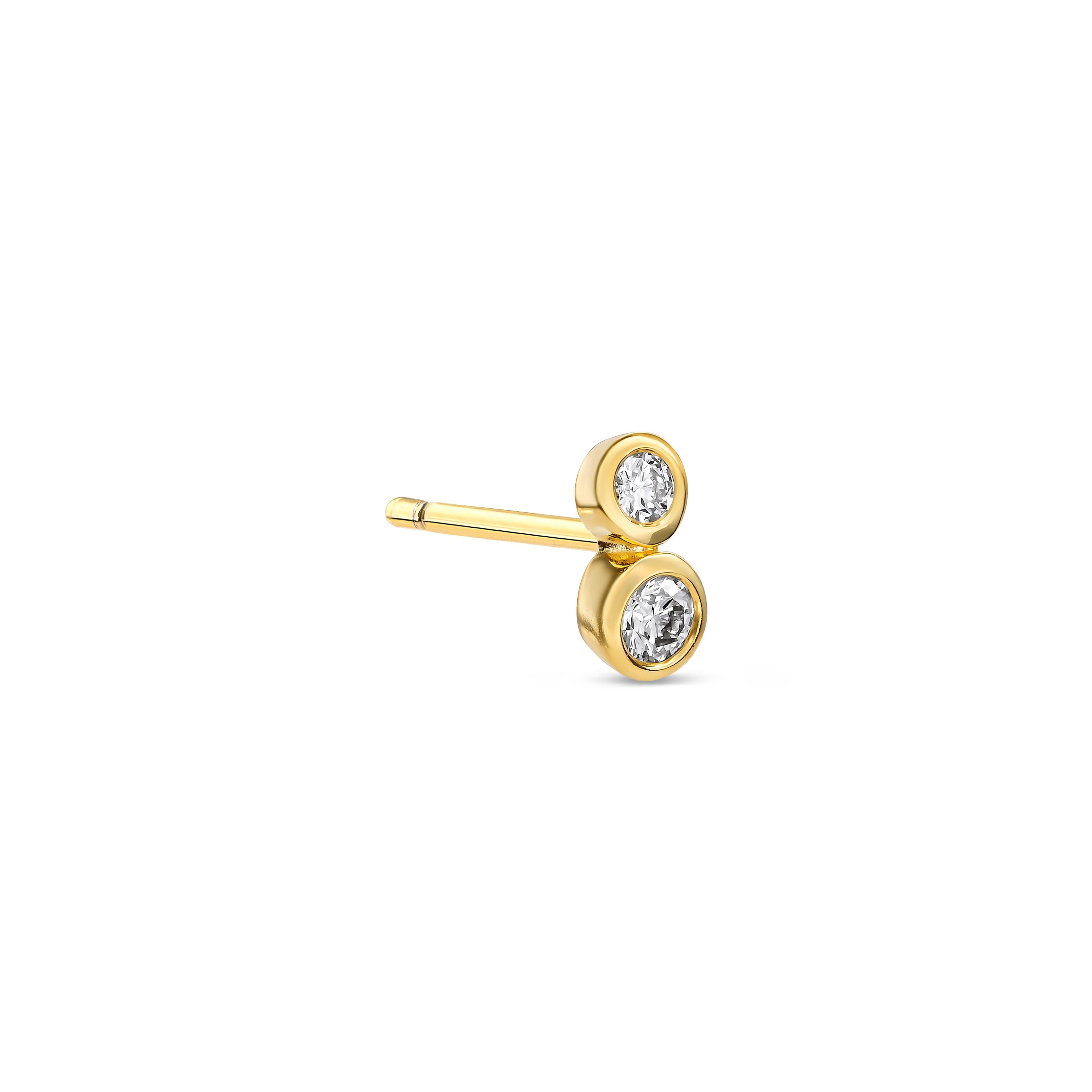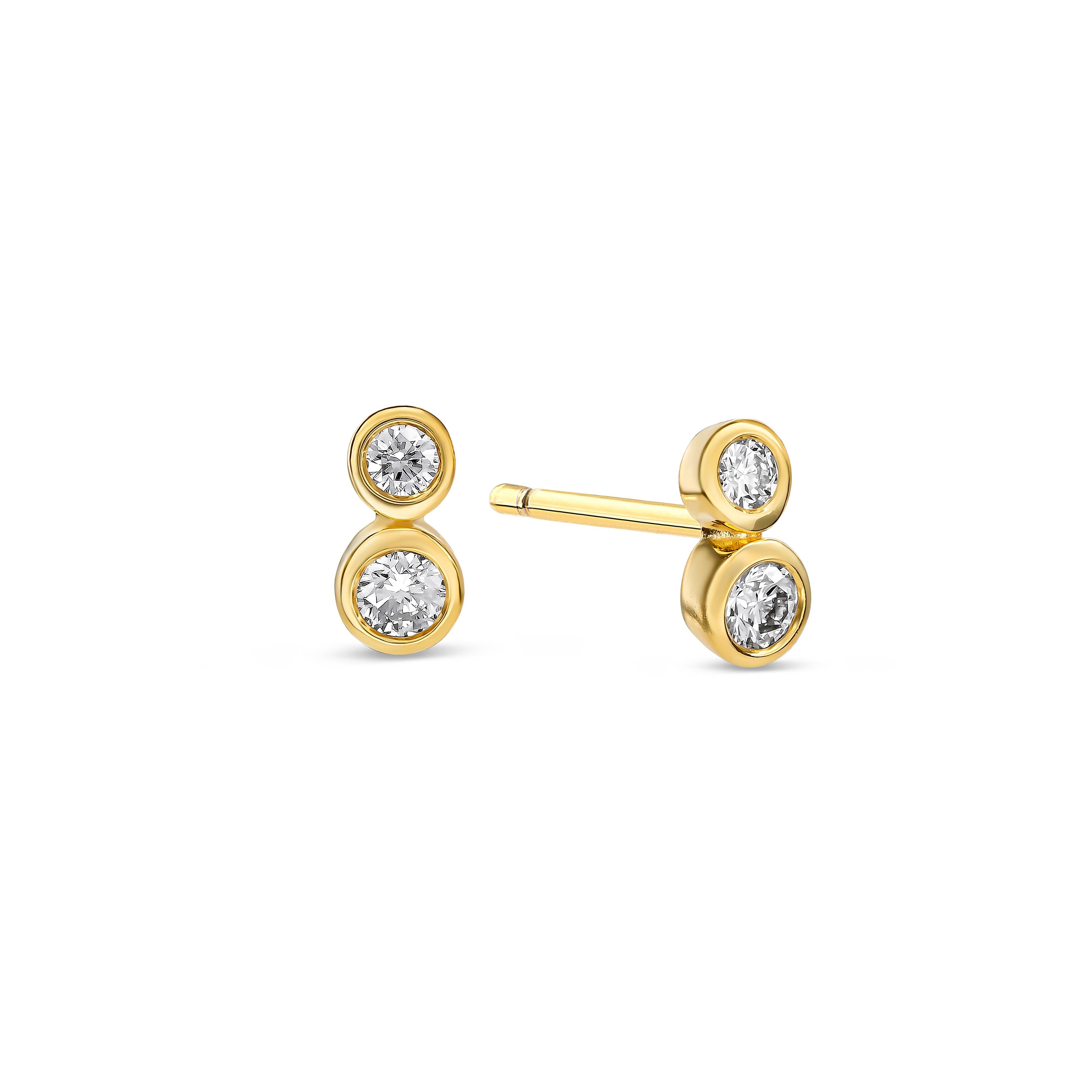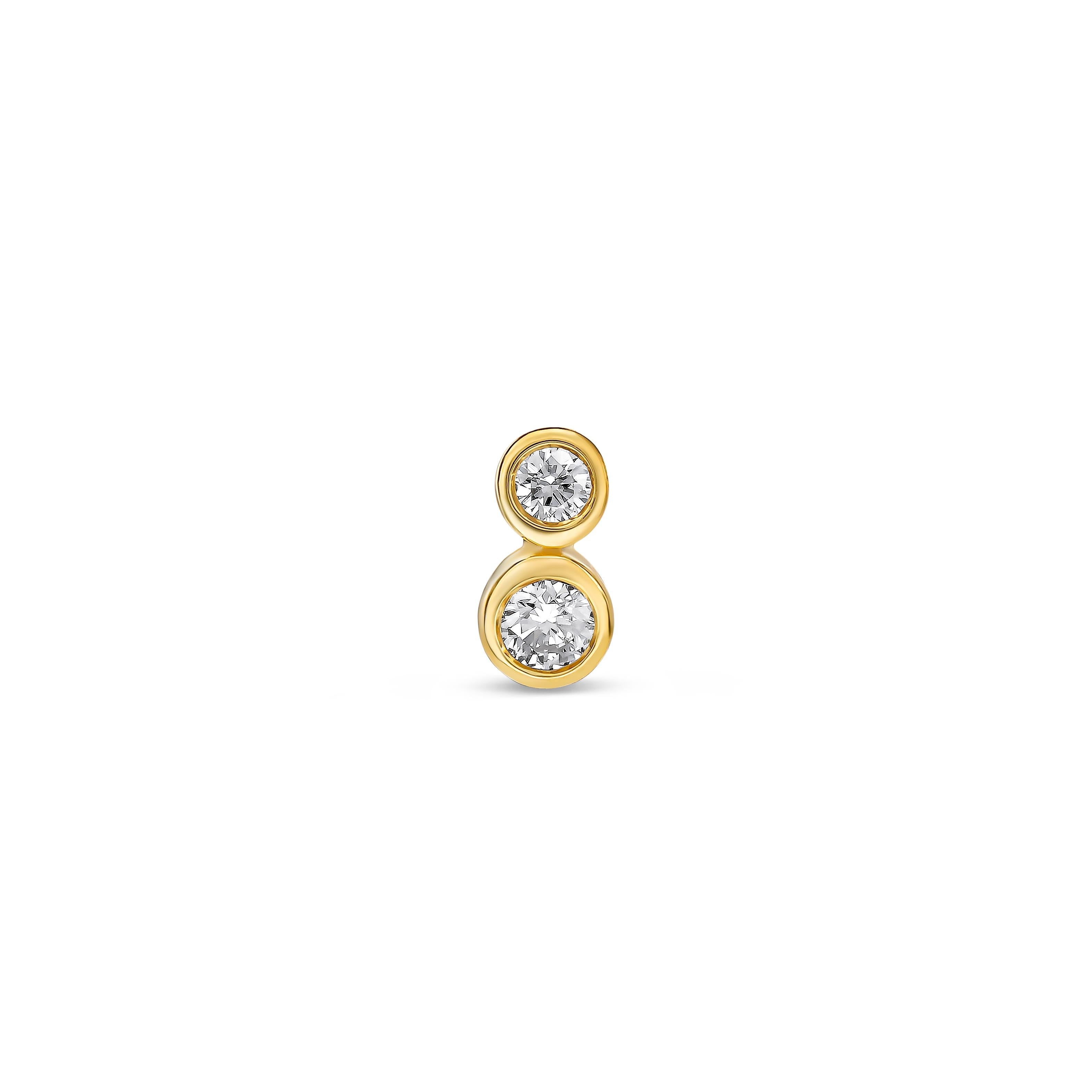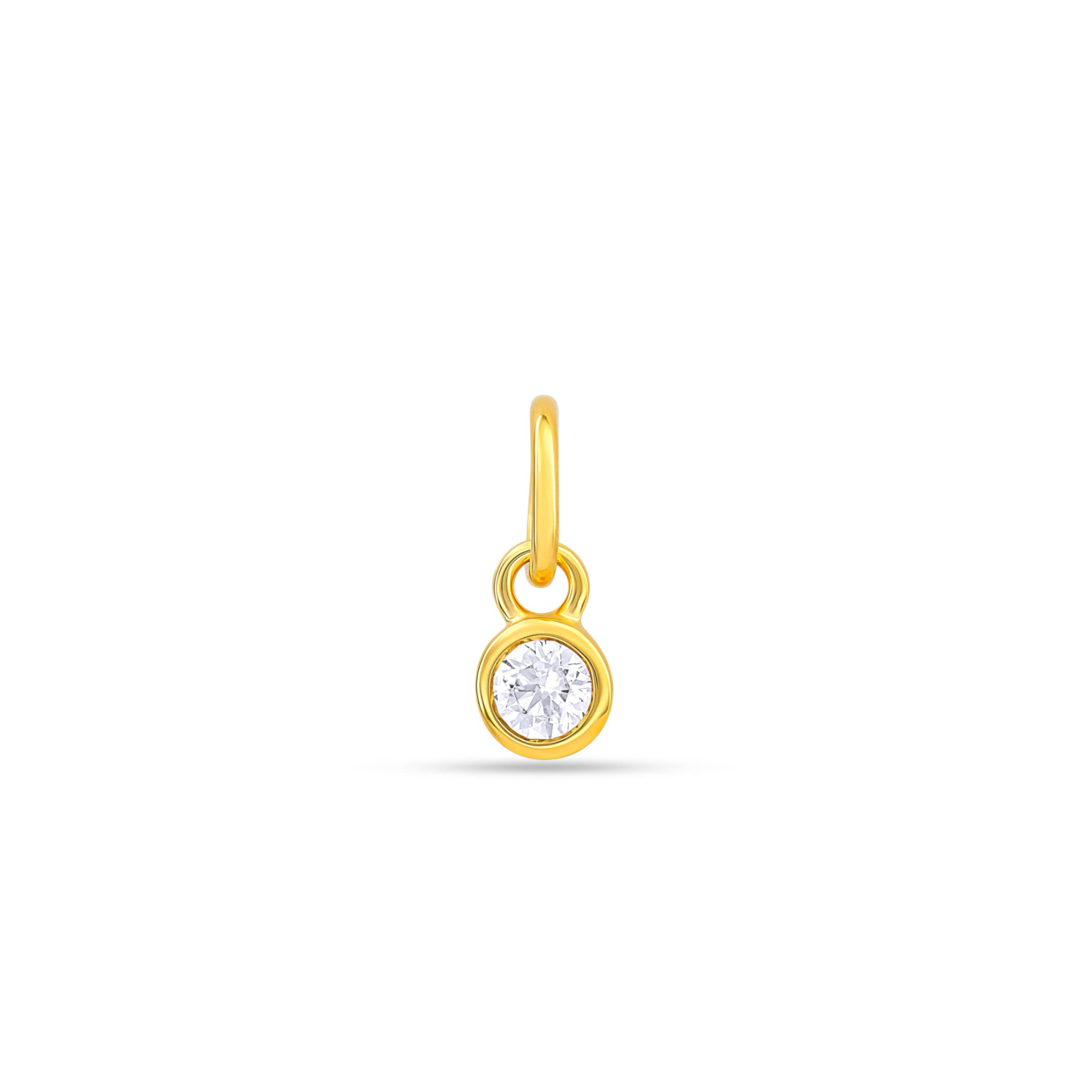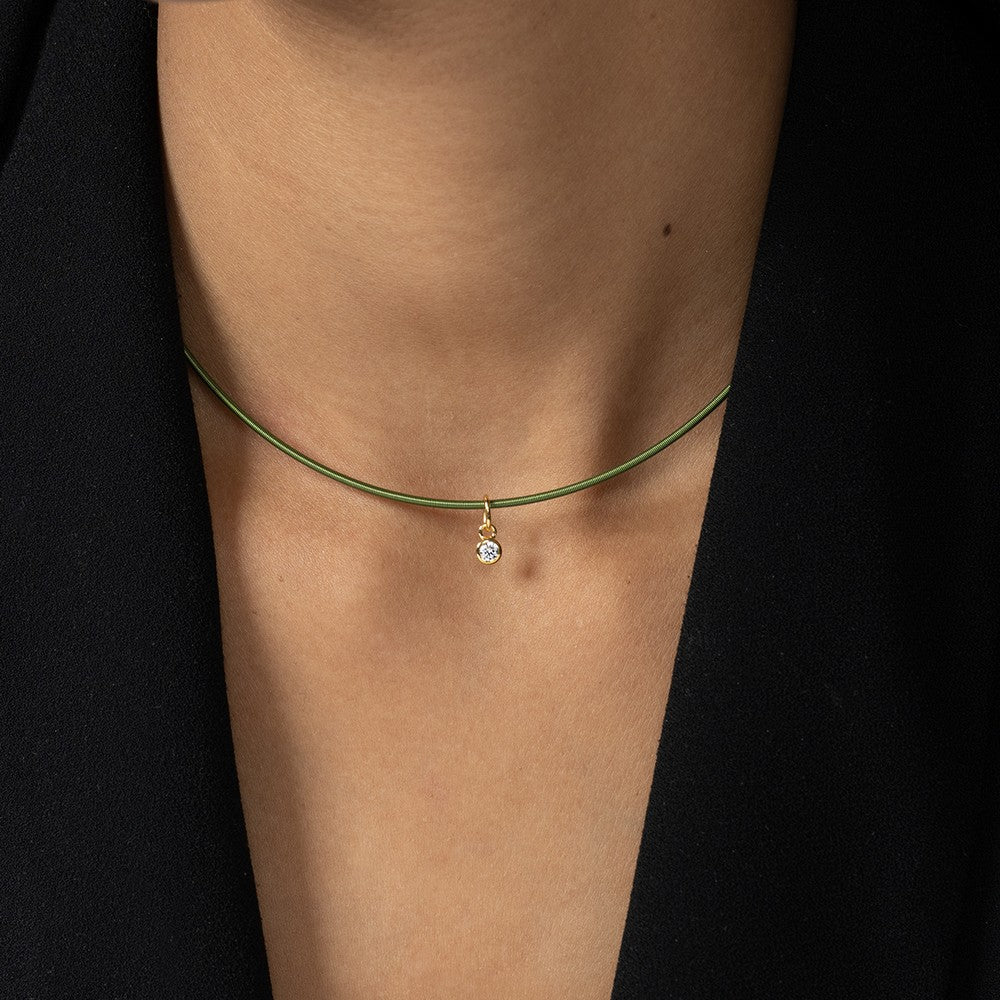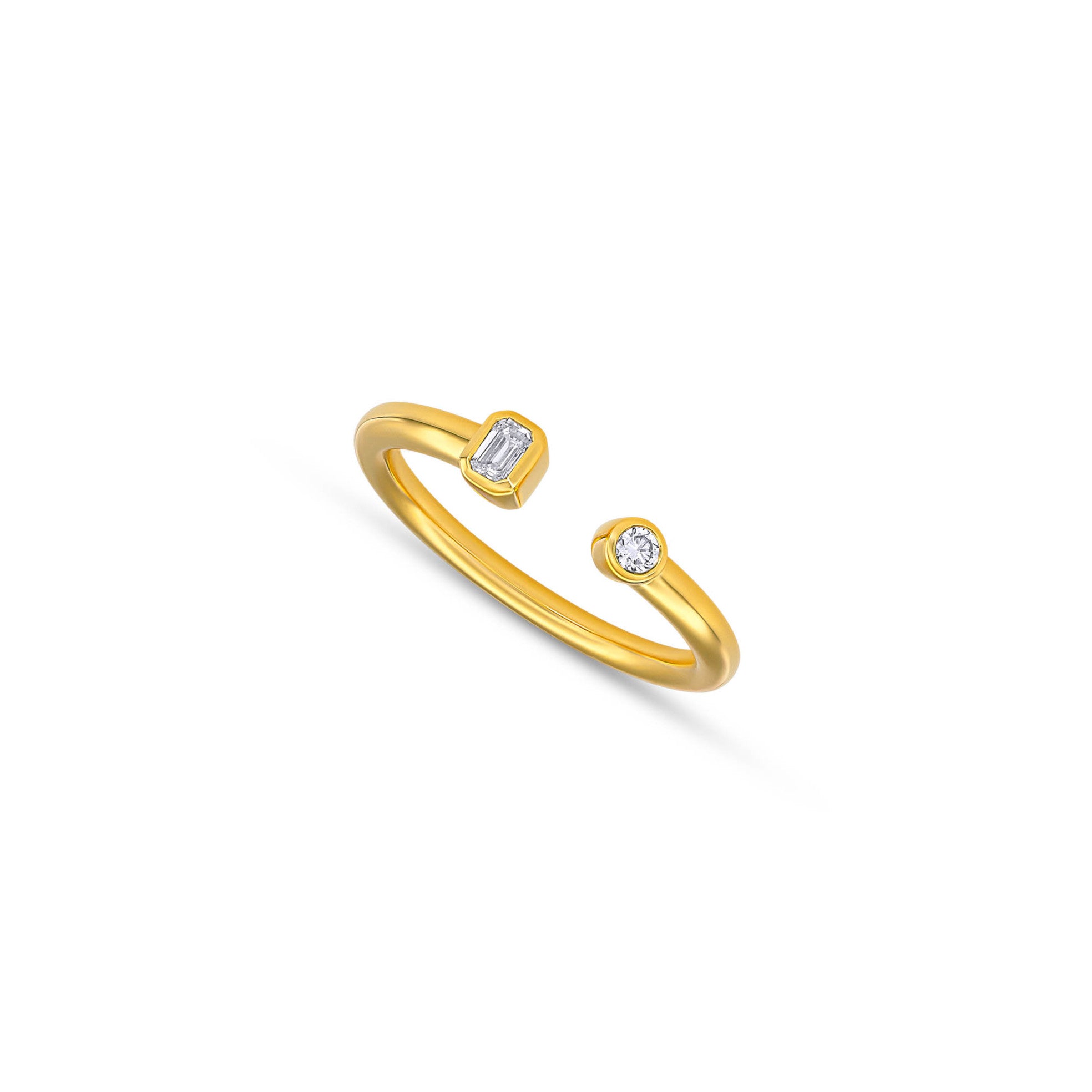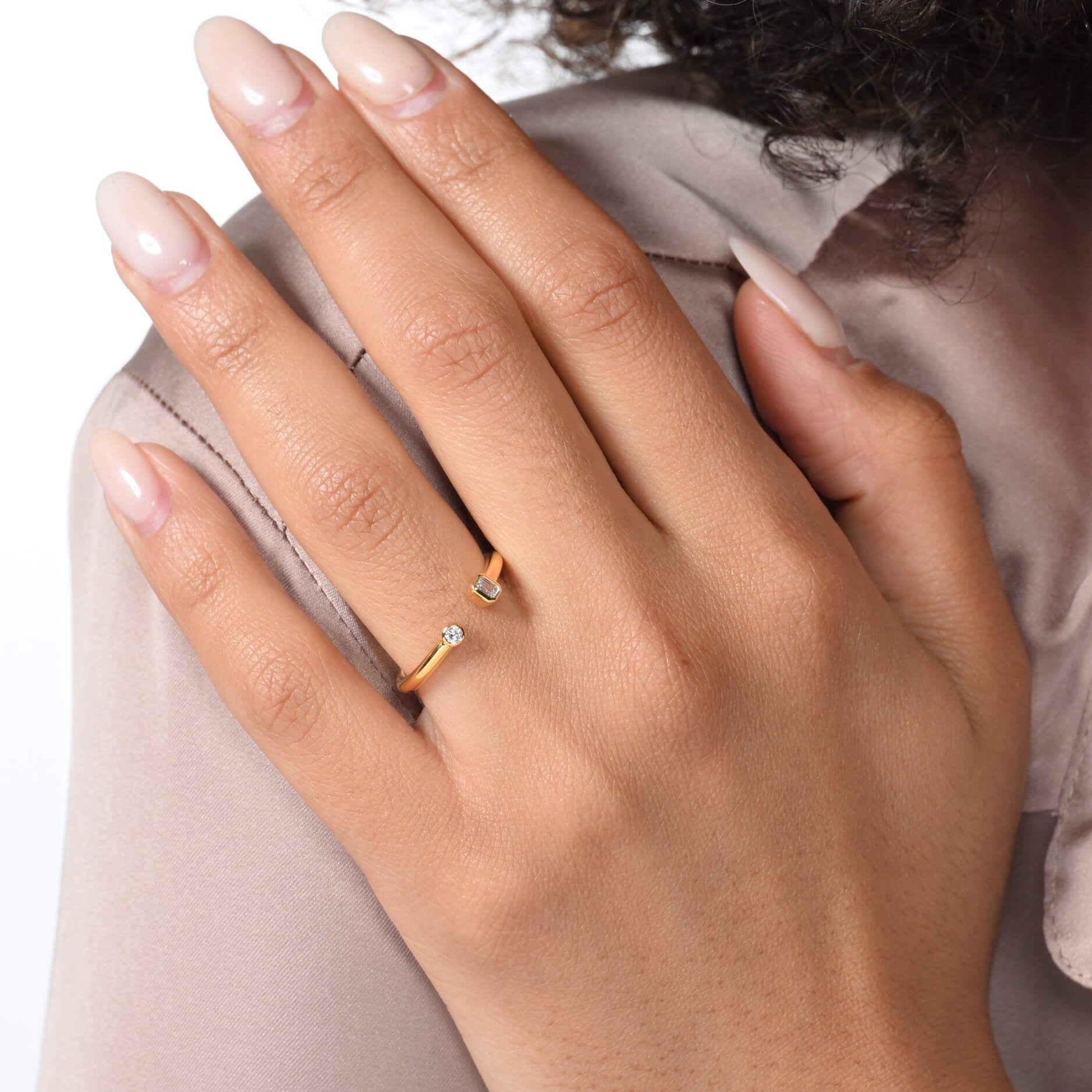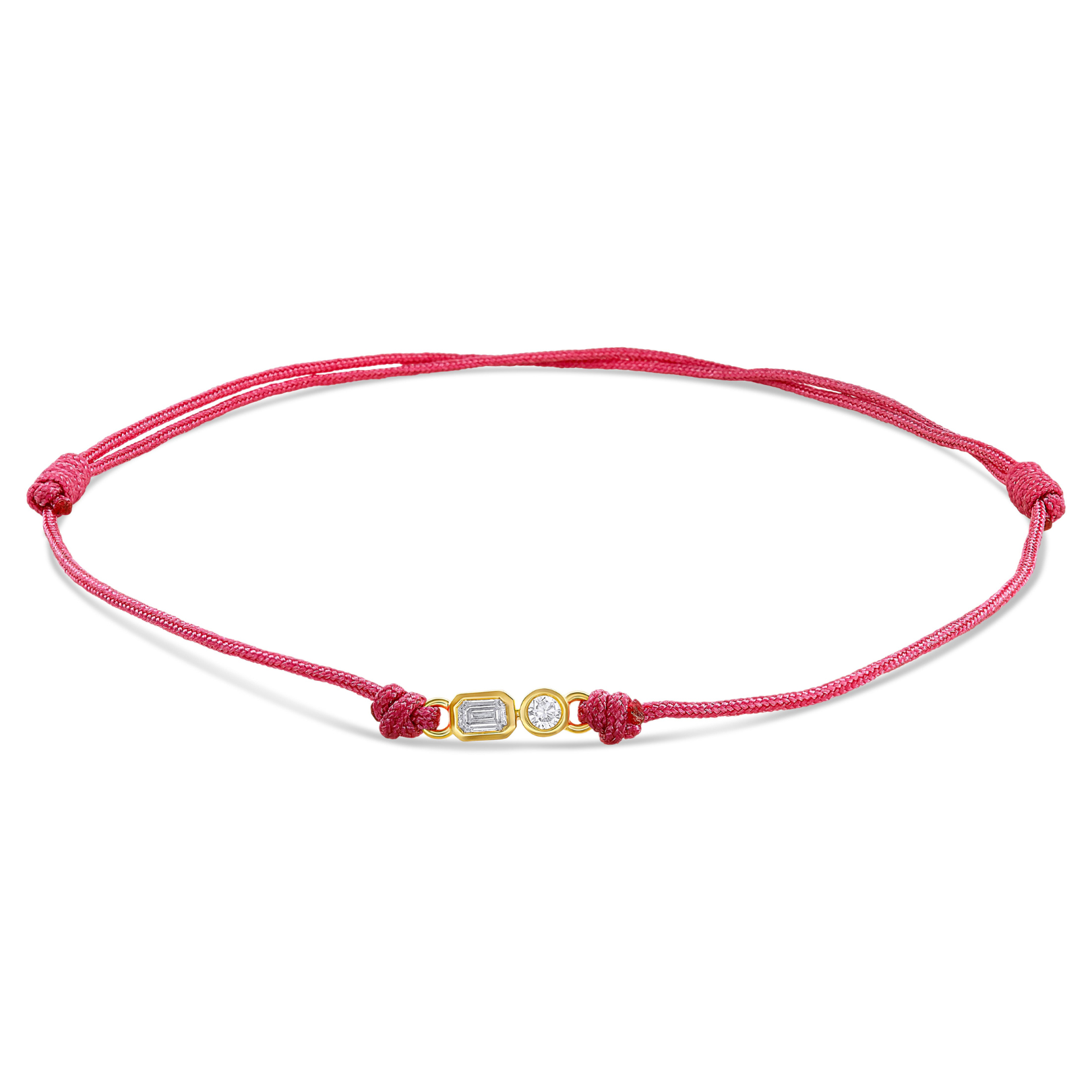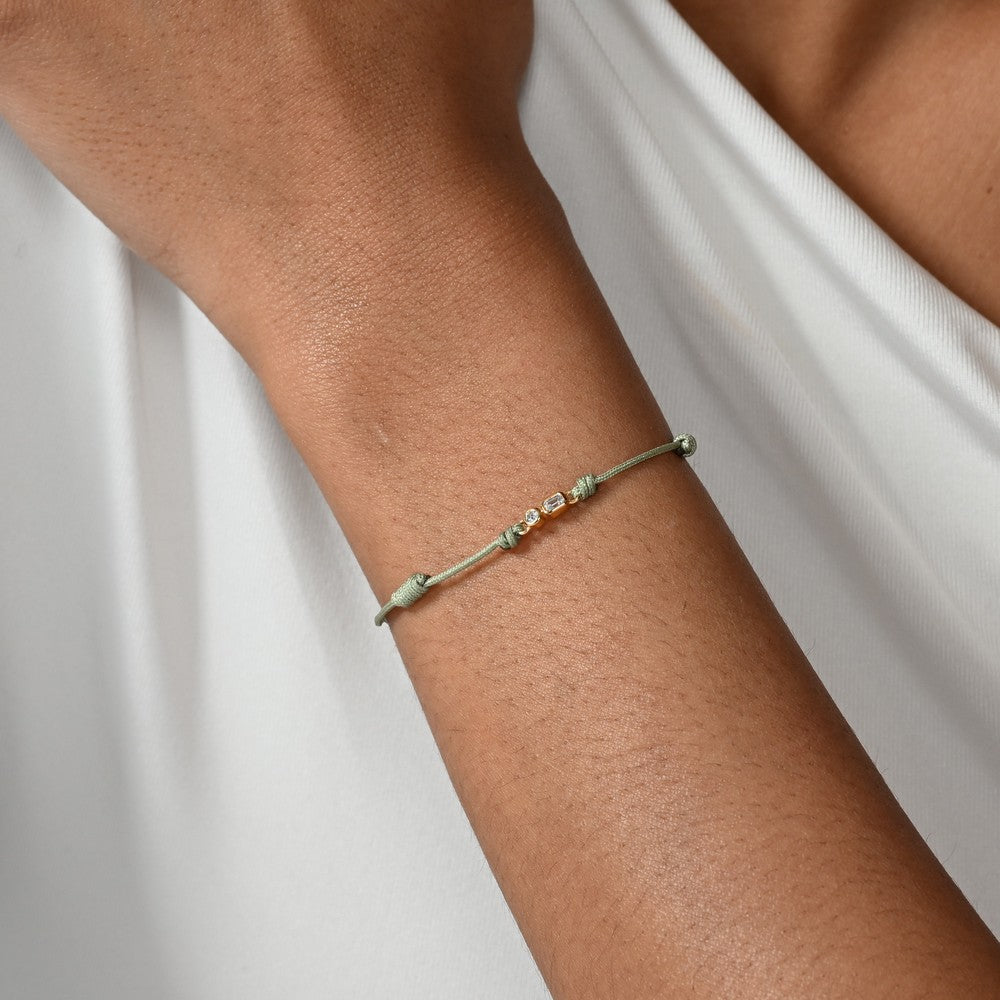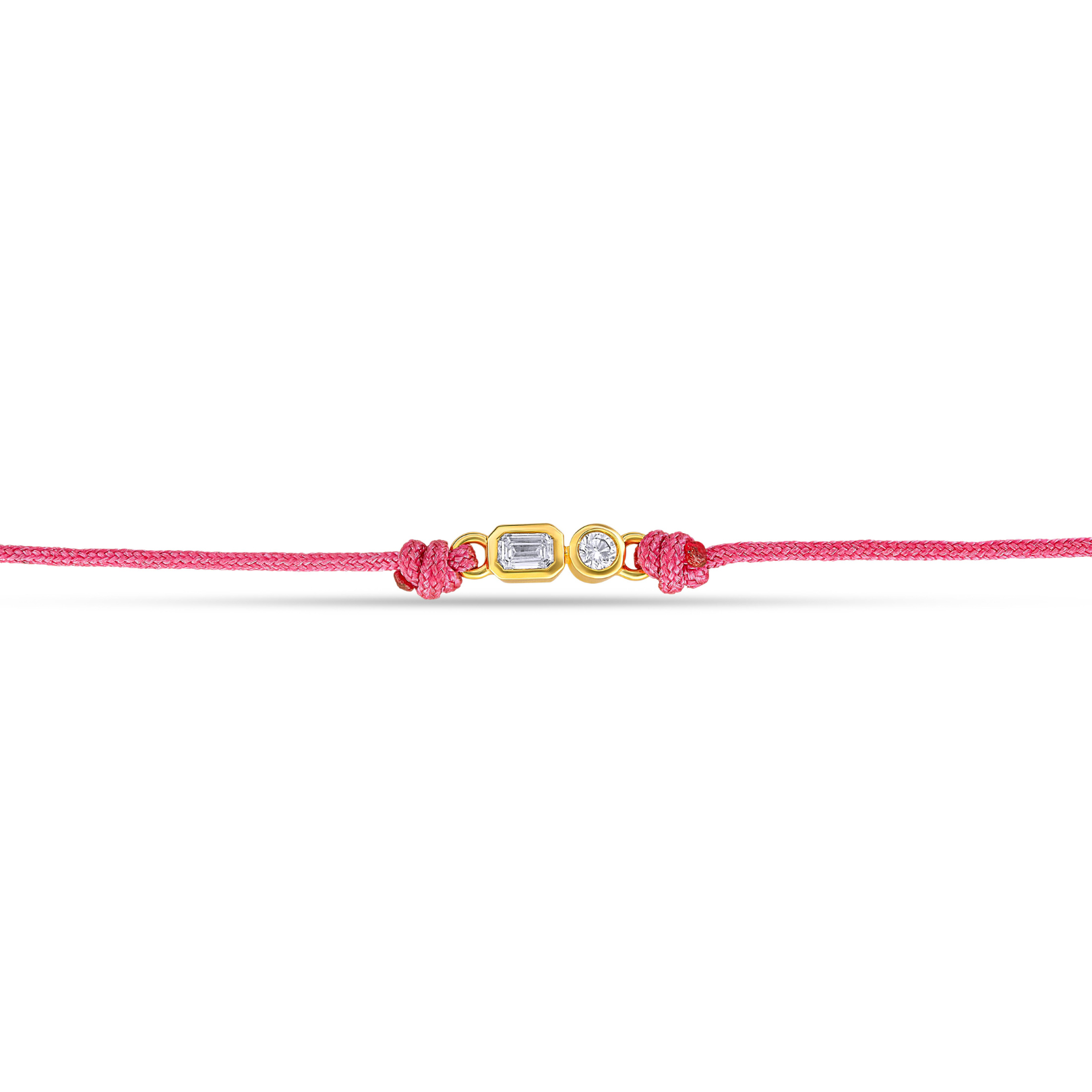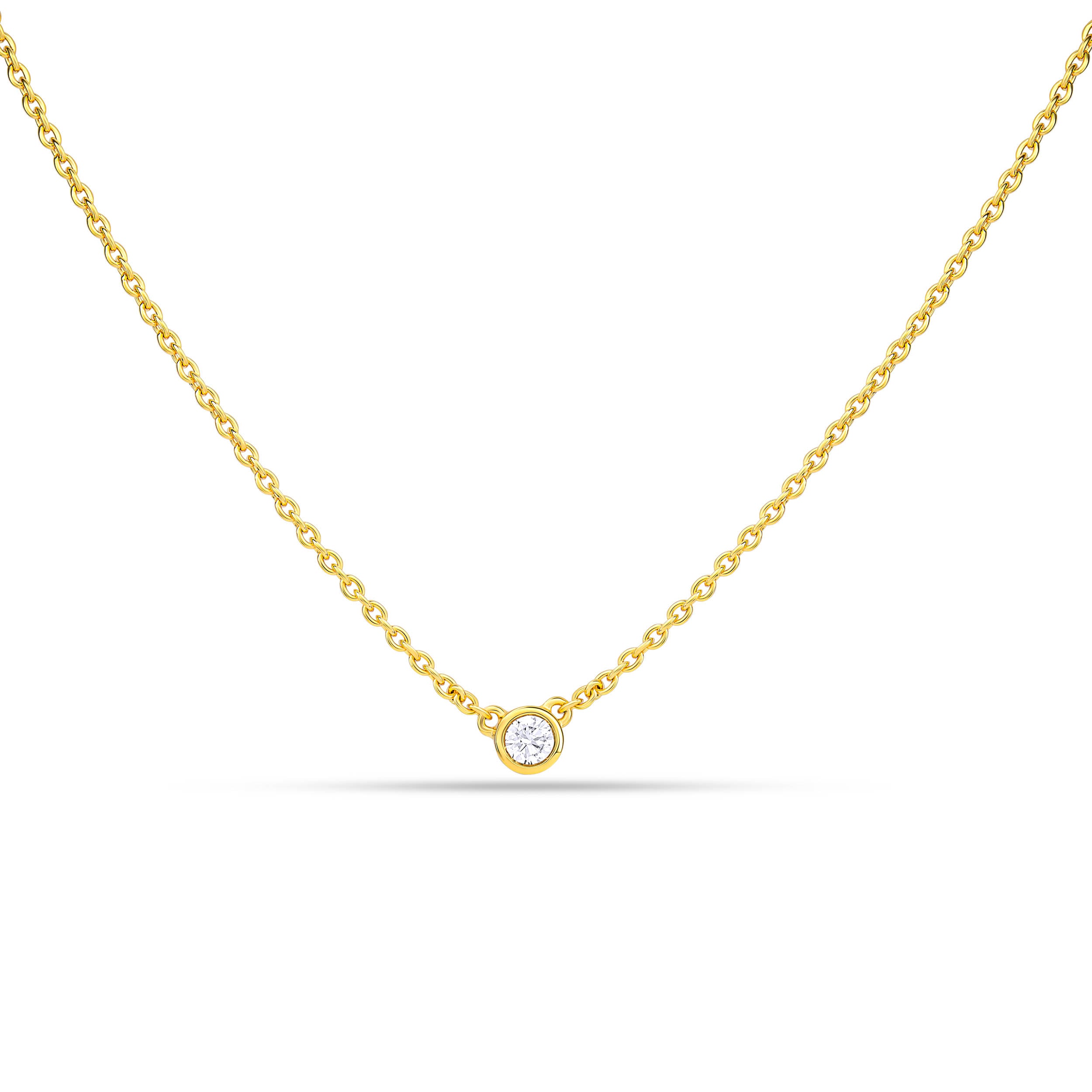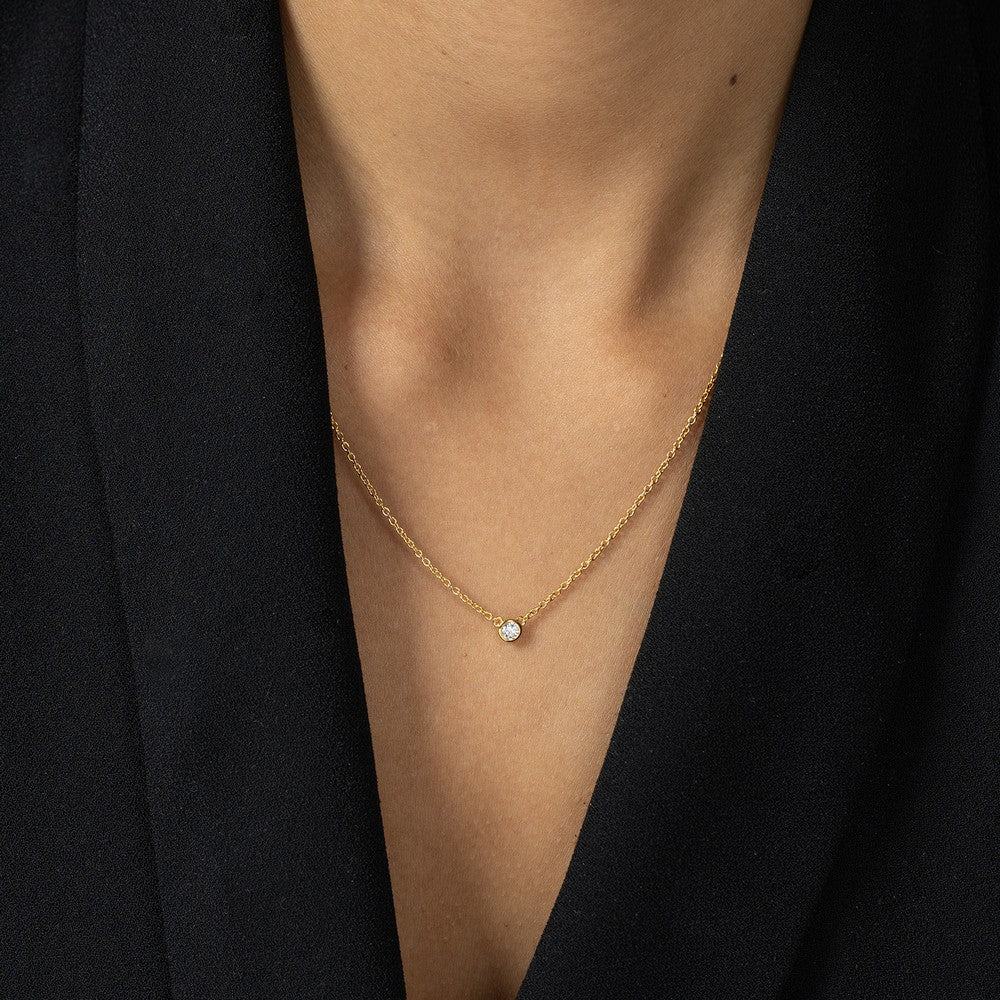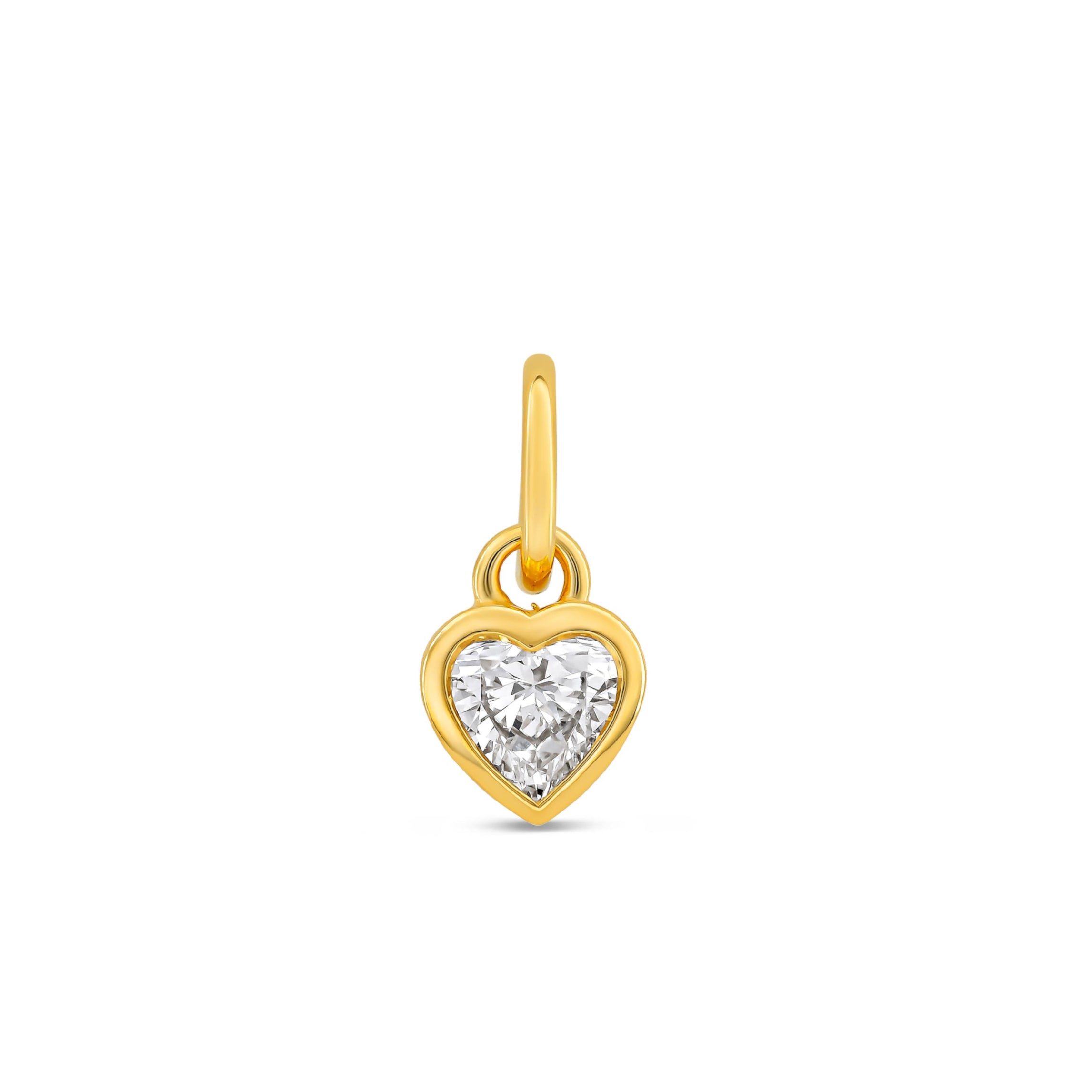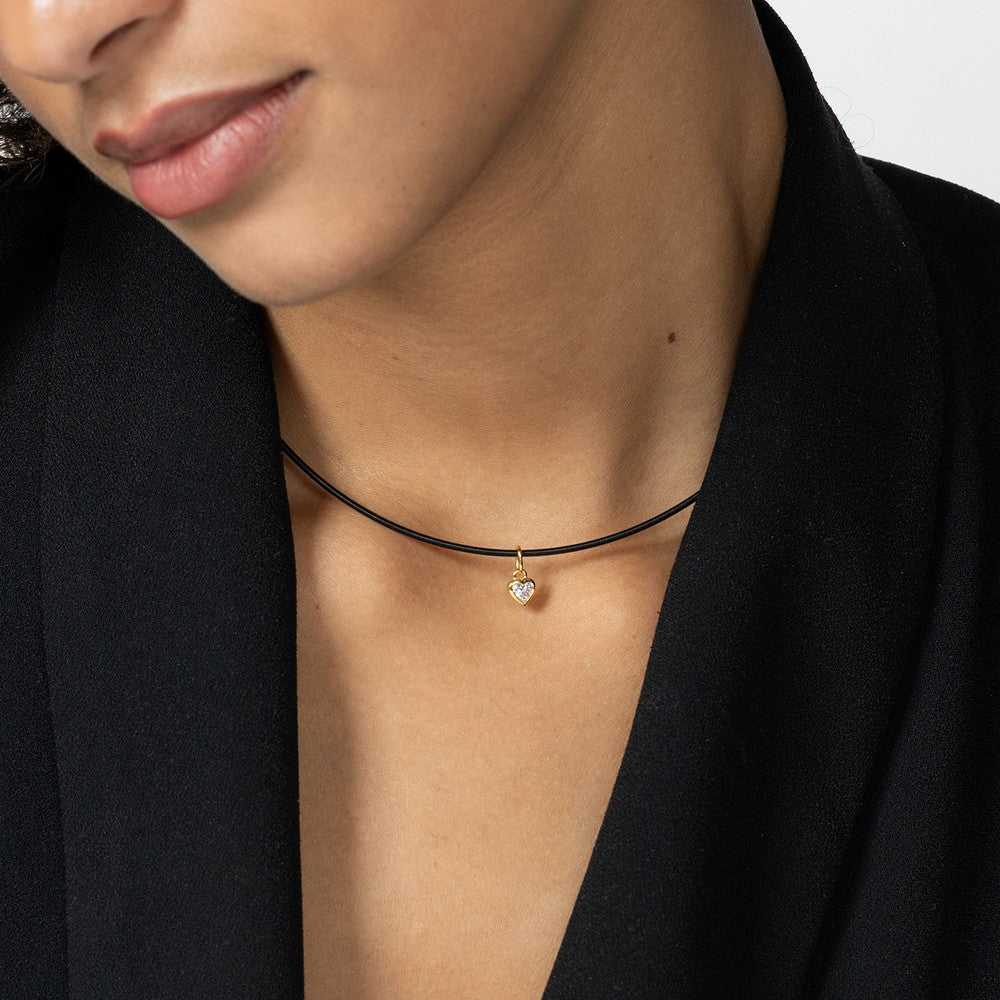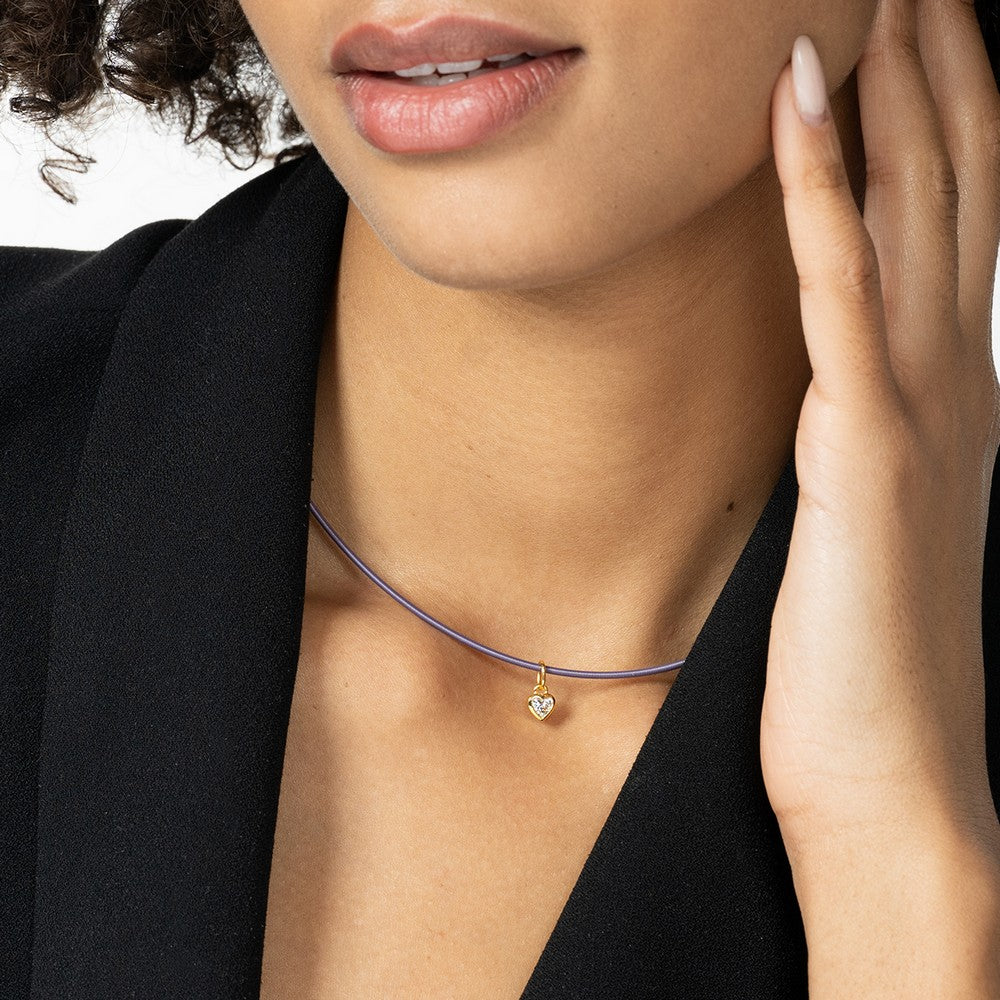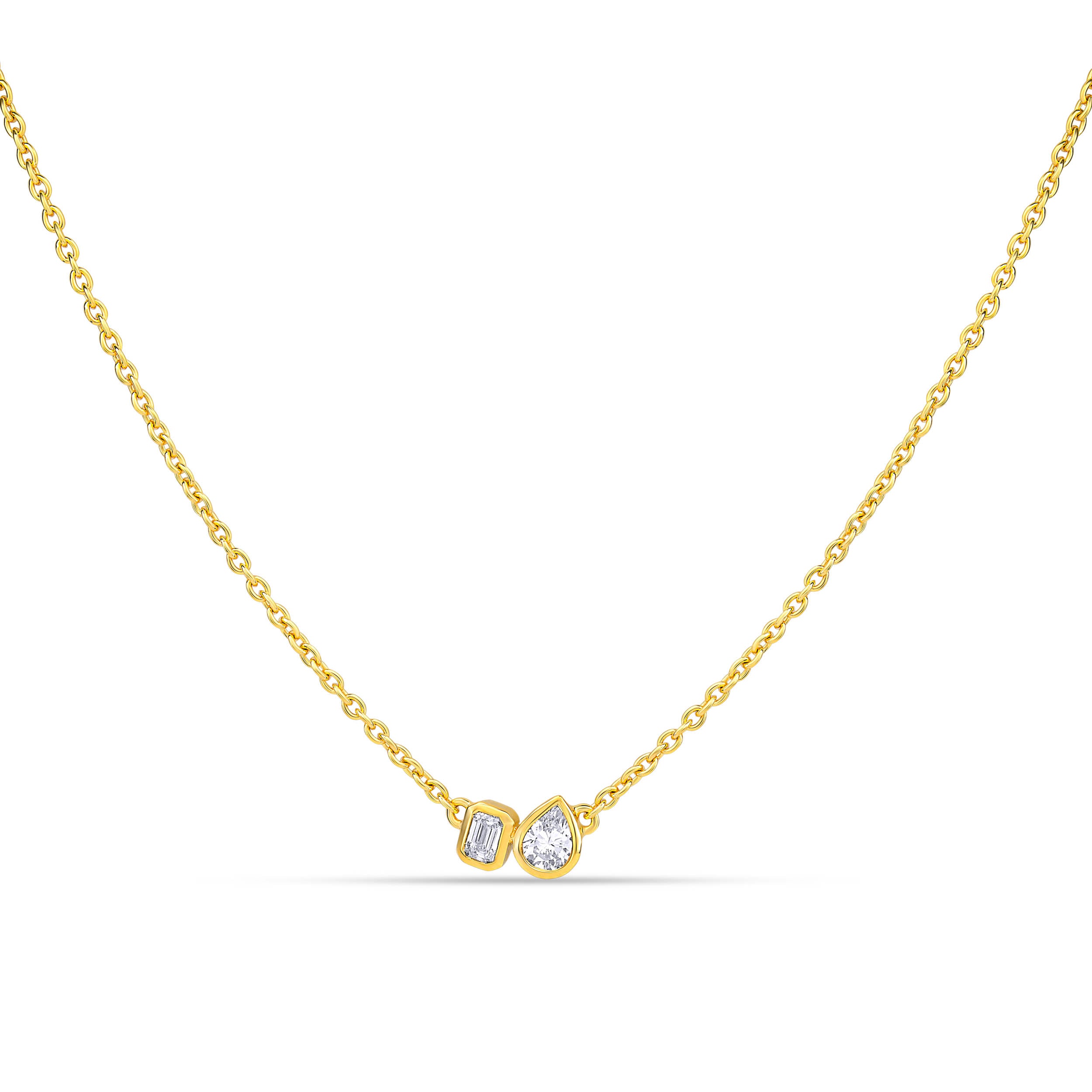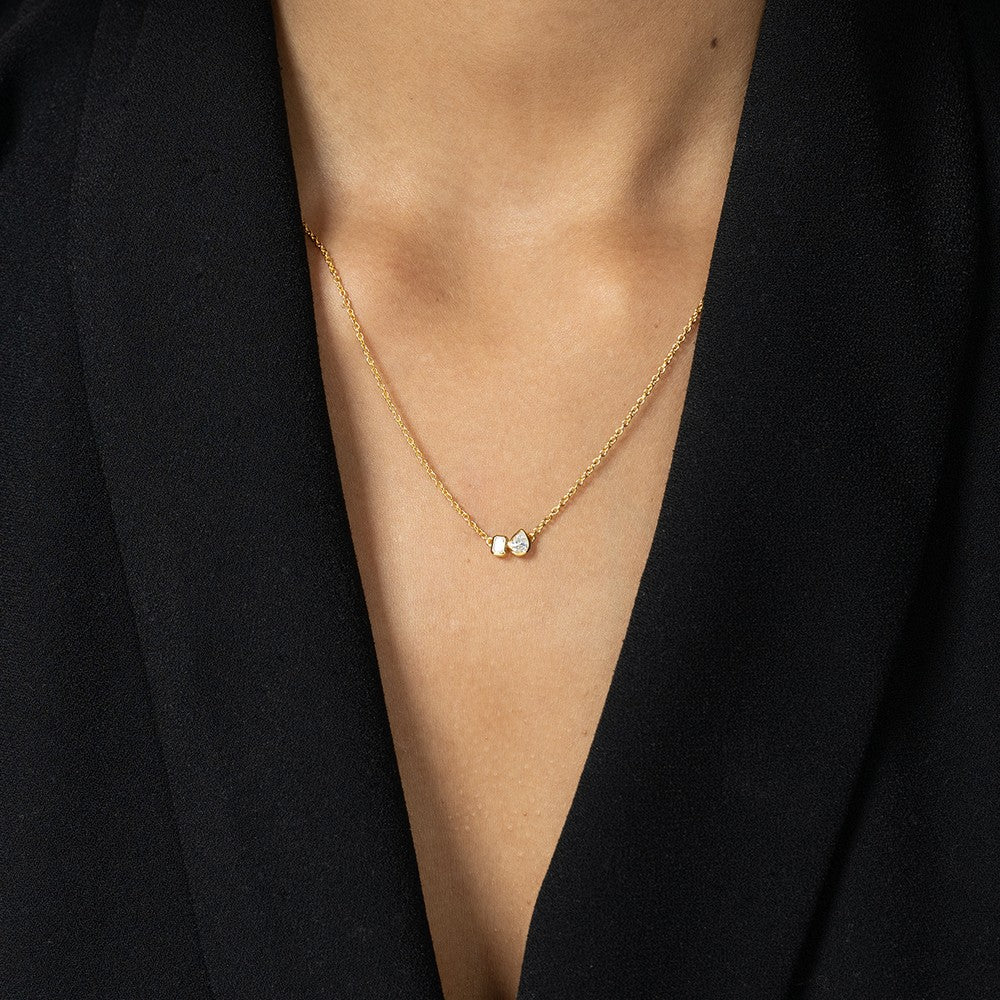


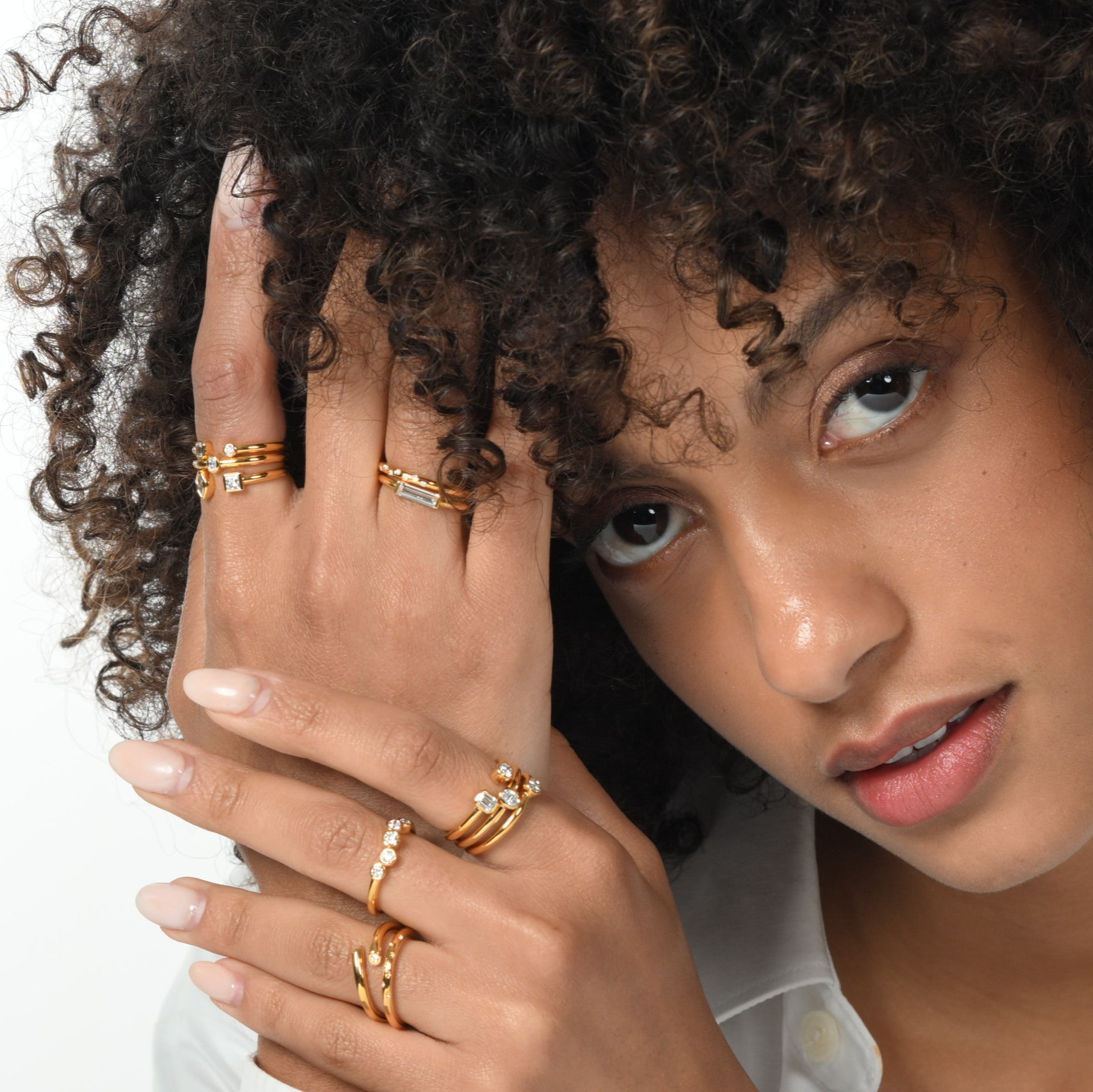


A ring for a random Tuesday. Studs you throw on before you've even had coffee. A necklace you reach for without thinking twice. Diamond jewelry has quietly stopped being something you save for anniversaries — and lab-grown diamonds are a big part of why.
If you're buying your first diamond piece, or just trying to figure out what half these product descriptions actually mean, here's the full picture: what lab-grown diamonds are, where the name confusion comes from, how they're made, and what actually determines whether one is worth its price tag.
What Are Lab-Grown Diamonds?
Let's clear up the terminology first. You'll see lab-grown diamonds marketed under several different names — lab-created diamonds, man-made diamonds, cultivated diamonds, laboratory-grown, or synthetic diamonds. All of these terms describe the exact same thing: a diamond grown through a controlled technological process rather than mined from the ground.
None of these names mean "fake" or "imitation." A lab-grown diamond has the same chemical composition (pure carbon), the same crystal structure, and the same hardness as a mined diamond. It's graded using the same international 4Cs standard used for natural diamonds. The only real difference is where it came from.
Lab-Grown vs. Mined Diamonds: What Actually Changes?
Nothing about the stone itself. A lab-grown diamond and a mined diamond are chemically identical — even trained gemologists need specialized lab equipment to tell them apart, since the difference shows up only in microscopic growth patterns invisible to the eye.
What changes is origin, timeline, and price. A mined diamond formed underground over roughly one to three billion years. A lab-grown diamond is produced by recreating those same natural growth conditions inside a controlled facility — condensed down to weeks. Same result, radically different timeline.

A Quick History: From Industrial Tool to Fine Jewelry
Lab-grown diamonds aren't a new invention dressed up in new marketing — the technology dates back to 1954, when scientists first successfully created diamonds in a laboratory. For decades afterward, these diamonds were used almost exclusively for industrial purposes, prized for their extreme hardness rather than their looks.
That changed in the early 2000s, when two methods matured enough to produce gem-quality stones suitable for fine jewelry.
HPHT vs CVD Diamond: The Two Growing Methods
HPHT (High Pressure High Temperature) recreates the intense pressure and heat found deep in the earth's mantle, compressing carbon into a diamond structure using specialized presses.
CVD (Chemical Vapor Deposition) takes a different route — a carbon-rich gas is broken down inside a vacuum chamber, and carbon atoms gradually build up, layer by layer, on a diamond seed.
Both methods produce genuine diamonds. Depending on the size of the stone, either process typically takes two to six weeks.
The 4Cs: How Diamond Quality Is Actually Graded
Whether a diamond is mined or lab-grown, the same four factors determine its quality and price:
Cut — how well the stone's proportions and angles allow it to reflect light. A well-cut diamond creates more brilliance and fire than a poorly cut one, regardless of size.
Color — how colorless the diamond is, graded from D (completely colorless) to Z (visibly yellow or brown). Whiter stones generally command higher prices.
Clarity — the presence of tiny internal or surface characteristics, graded from Flawless (FL) down to Included (I3). Most inclusions in high to mid-range clarity grades are invisible without magnification.
Carat — the diamond's weight, where one carat equals 0.2 grams. A common mistake is assuming bigger always means better: a smaller, expertly cut stone frequently looks more brilliant than a larger one cut poorly.

The "best" diamond isn't the one with the highest numbers across the board — it's the one whose balance of cut, color, clarity, and carat fits your budget and how you'll actually wear it.
Why Lab-Grown Diamonds Have Become So Popular
Value. Because they don't require large-scale mining and geological extraction, lab-grown diamonds can cost up to 90% less than a mined diamond of comparable quality. In practice, that often means being able to afford a larger stone, or upgrading the cut and clarity grade, for the same budget.
Sustainability and ethics. Sustainable diamonds and ethical diamonds have become genuine priorities for a lot of buyers, not just marketing terms. Lab-grown production avoids large-scale open-pit mining and its impact on land and habitats. Many producers now also run their facilities on renewable energy, which has made lab-grown diamonds an increasingly credible choice for buyers who care where their jewelry actually comes from.
Modern flexibility. Because the cost per carat is so much lower, lab-grown diamonds fit naturally into everyday jewelry — not just the one special-occasion piece, but the studs you wear constantly or the ring you don't take off.
At amadia – young diamonds, we believe diamonds should be accessible to everyone—without costing the earth. That's why we focus on contemporary designs, exceptional quality, and ethical lab-grown diamonds that let you shine—on your own terms.
Because luxury today isn't about following old rules.
It's about choosing what feels right for you.
Ready to see it for yourself? Browse our lab-grown diamond
bracelets — earrings — necklaces — pendants — rings
Frequently Asked Questions
Are lab-grown diamonds real diamonds?
Yes. They have the same chemical composition, crystal structure, and hardness as mined diamonds, and they're graded using the same 4Cs standard.
What's the difference between lab-created diamonds and man-made diamonds?
Nothing — these are two of several interchangeable names for the same product, along with cultivated, laboratory-grown, and synthetic diamonds.
What's the difference between HPHT and CVD diamonds?
Both are legitimate methods for growing real diamonds. HPHT recreates natural high-pressure, high-temperature conditions; CVD builds a diamond layer by layer from carbon-rich gas in a vacuum chamber. Both typically take two to six weeks depending on stone size.
Are lab-grown diamonds actually more sustainable and ethical?
Generally, yes. They avoid the land and habitat impact of large-scale mining, and many producers now use renewable energy in production, though sustainability practices can vary between producers.
Why are lab-grown diamonds so much cheaper than mined diamonds?
The stone itself is identical in quality. The price difference reflects the cost of geological extraction and rarity in mined diamonds, not a difference in the diamond itself.